
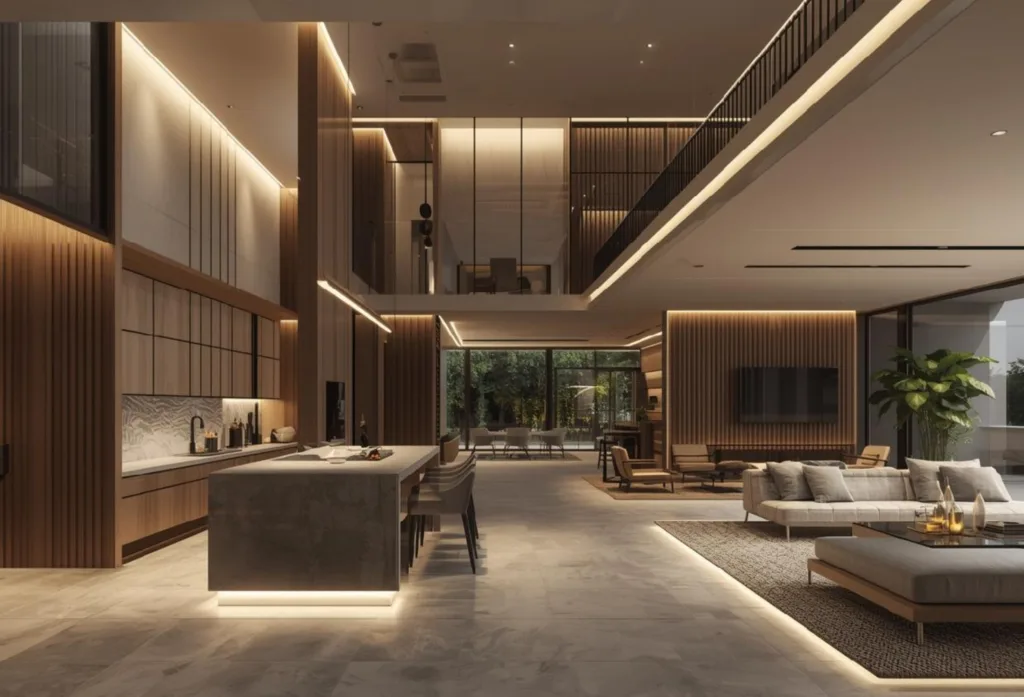
In today’s fast-paced metropolitan lifestyle, urban luxury homes are no longer defined by size alone. Instead, they are distinguished by how intelligently space is planned and how thoughtfully lighting is designed. Whether it’s a premium apartment, a penthouse, or a luxury villa within city limits, the right balance of lighting and space planning can transform compact interiors into elegant, functional, and visually expansive homes.
This comprehensive guide explores lighting & space planning for urban luxury homes, helping homeowners, architects, and interior designers create residences that feel open, refined, and timeless—while remaining perfectly suited to city living.
Why Lighting & Space Planning Matter in Urban Luxury Homes
Urban homes often face unique challenges:
Limited floor area
High-density surroundings
Reduced natural light
Multi-functional living requirements
Luxury design is about solving these challenges seamlessly.
Key Benefits:
Makes compact spaces feel larger
Enhances architectural features
Improves mood, comfort, and productivity
Elevates perceived property value
Creates a hotel-like, high-end experience at home
In luxury interiors, lighting and space planning are never afterthoughts—they are foundational elements.
Understanding Space Planning in Urban Luxury Interiors
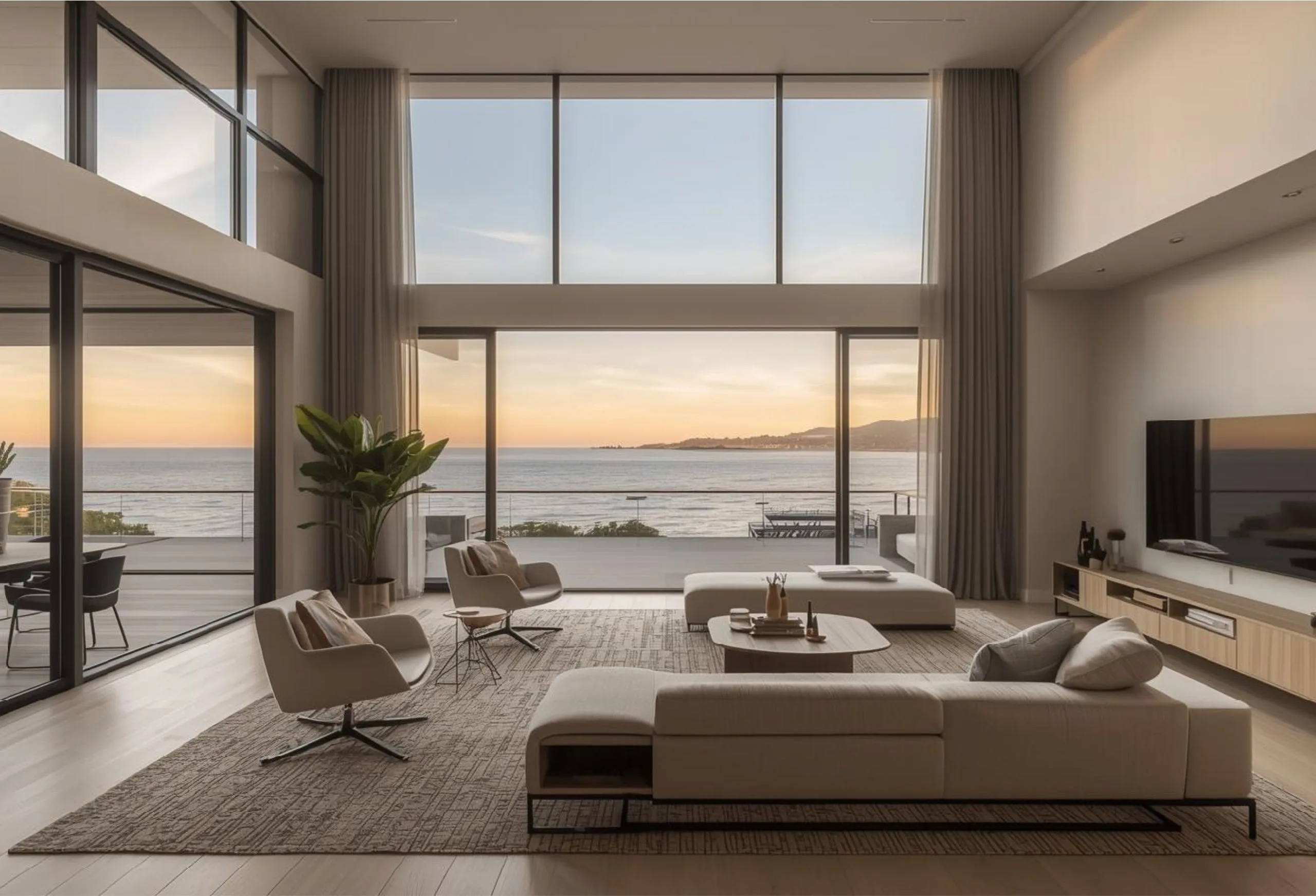
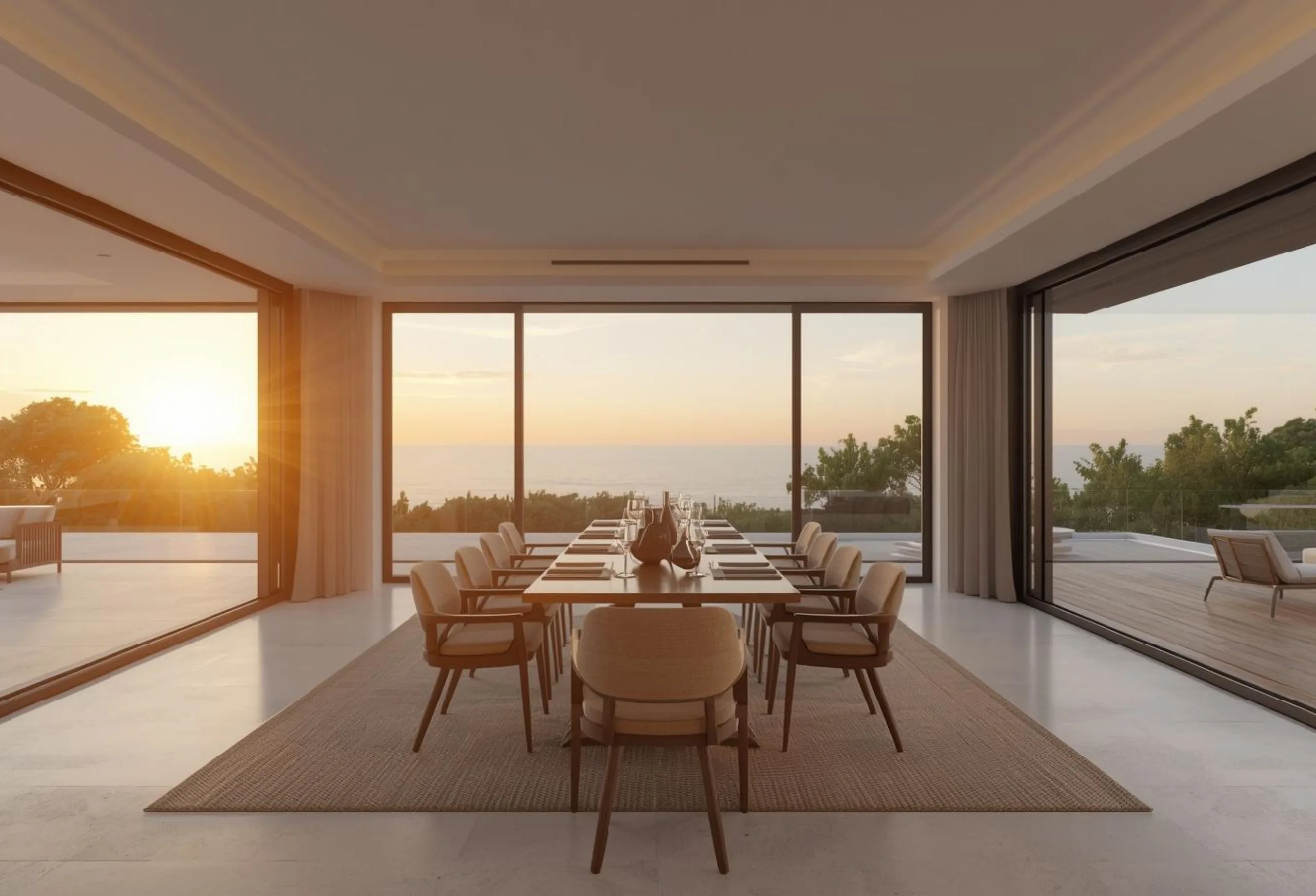
Space planning is the strategic arrangement of rooms, furniture, circulation paths, and functional zones to ensure maximum efficiency without visual clutter.
Core Principles of Luxury Space Planning
1. Purpose-Driven Layouts
Each space must have a clearly defined function while remaining flexible. Urban luxury homes often combine:
Living + dining
Study + guest room
Kitchen + breakfast area
Smart zoning ensures fluid movement and visual harmony.
2. Open Yet Structured Spaces
Luxury interiors favor openness—but not chaos. Glass partitions, wooden slats, fluted panels, or level changes subtly define areas without blocking light or airflow.
3. Negative Space is Luxury
Leaving breathing room between furniture pieces enhances elegance. Overcrowding, even with premium furniture, diminishes luxury appeal.
Lighting Design: The Soul of Urban Luxury Homes

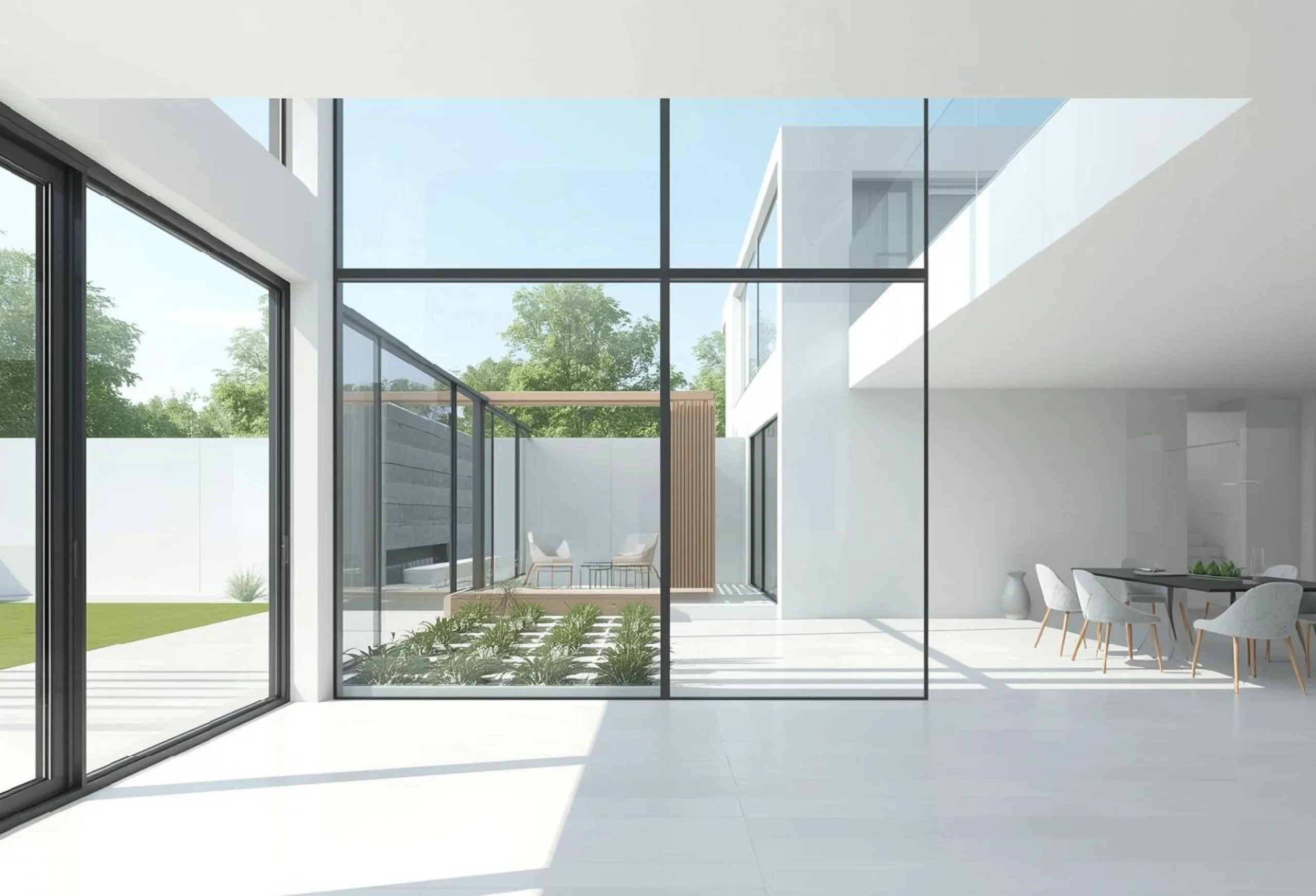
Lighting does more than illuminate—it shapes perception, mood, and scale.
Types of Lighting Used in Luxury Homes
1. Ambient Lighting
The base layer of lighting that ensures overall brightness:
Cove lighting
Recessed ceiling lights
Concealed LED strips
Soft, glare-free ambient lighting creates a calm and premium atmosphere.
2. Task Lighting
Focused lighting for functionality:
Kitchen under-cabinet lights
Study desk lamps
Vanity mirror lighting
In luxury homes, task lighting is integrated discreetly to maintain aesthetics.
3. Accent Lighting
Used to highlight:
Artwork
Textured walls
Architectural niches
Sculptural furniture
Accent lighting adds depth, drama, and exclusivity.
The Perfect Marriage: Lighting + Space Planning
The real magic happens when lighting and space planning work together.
How Lighting Enhances Space Planning
Vertical lighting makes ceilings appear higher
Wall washers widen narrow rooms
Cove lighting softens sharp architectural lines
Highlighting circulation paths improves flow
Well-planned lighting can visually expand a space by up to 30%, especially in compact urban homes.
Room-by-Room Guide to Lighting & Space Planning
Living Room: The Luxury Showcase
The living room is where urban luxury makes its first impression.
Space Planning Tips:
Maintain clear walkways
Use modular furniture
Position seating to maximize views and conversation
Lighting Strategy:
Cove lighting for ambient glow
Statement chandelier or pendant
Accent lights for art walls and décor
Space Planning Tips:
Align dining area near kitchen
Use rugs or ceiling treatments to define space
Lighting Strategy:
Pendant lighting centered over the dining table
Warm light tones for intimate dining experiences
Kitchen: Functional Luxury
Modern urban luxury kitchens are sleek, minimal, and highly efficient.
Space Planning Tips:
Optimize work triangle (sink, stove, refrigerator)
Use tall units for vertical storage
Lighting Strategy:
Bright task lighting for countertops
Cove or toe-kick lighting for premium appeal
Bedrooms: Calm, Private Sanctuaries
Luxury bedrooms prioritize comfort and tranquility.
Space Planning Tips:
Clear separation between sleep and dressing areas
Minimal furniture for uncluttered visuals
Lighting Strategy:
Warm ambient lighting
Bedside reading lights
Soft accent lighting behind headboards
Bathrooms: Spa-Inspired Luxury
Urban luxury bathrooms mirror five-star hotel aesthetics.
Space Planning Tips:
Glass shower enclosures for openness
Wall-hung vanities for visual lightness
Lighting Strategy:
Shadow-free mirror lighting
Accent lighting in niches
Soft ceiling lighting for relaxation
Smart Lighting for Urban Luxury Homes (2026 Trend)
Smart lighting has become a must-have in premium urban residences.
Advantages:
Scene-based lighting control
Energy efficiency
Voice and app integration
Custom moods for different times of day
Examples of lighting scenes:
Morning energizer
Evening relaxation
Entertainment mode
Night navigation lighting
Smart systems elevate both convenience and luxury perception.
Color Temperature & Material Synergy
Luxury interiors rely heavily on harmony between lighting and materials.
Best Practices:
Warm white (2700K–3000K) for living spaces
Neutral white (3500K–4000K) for kitchens and studies
Avoid harsh cool white in luxury homes
Lighting should enhance:
Marble textures
Wooden finishes
Metallic accents
Fabric softness
Common Mistakes to Avoid
❌ Over-lighting every corner
❌ Using mismatched color temperatures
❌ Ignoring natural light flow
❌ Cluttered layouts
❌ Poor fixture placement causing glare
Luxury is about restraint, balance, and precision.
Sustainability & Energy Efficiency in Luxury Lighting
Modern luxury aligns with responsible design.
Eco-Friendly Lighting Choices:
LED lighting solutions
Motion sensors in secondary spaces
Daylight-responsive lighting systems
Sustainable lighting reduces energy bills while maintaining premium aesthetics.
Future Trends in Urban Luxury Lighting & Space Planning
Looking ahead to 2026 and beyond:
Invisible lighting integration
Human-centric lighting (circadian rhythm-based)
Adaptive layouts for work-from-home lifestyles
Minimalist ceiling designs with concealed illumination
Luxury homes are becoming more intuitive, flexible, and wellness-focused.
Final Thoughts: Designing Urban Luxury That Feels Effortless
Lighting & space planning are the unsung heroes of urban luxury homes. When executed correctly, they create interiors that feel expansive, elegant, and emotionally engaging—regardless of square footage.
By combining:
Intelligent layouts
Layered lighting design
Smart technology
Material-sensitive illumination
Urban homes can achieve true luxury that is felt, not flaunted.
If you’re designing or renovating a premium urban residence, invest early in professional lighting and space planning—it’s the difference between a well-furnished home and a world-class living experience.