

7 Powerful Tips on How to Choose the Best Interior Designer for Your Dream Home
Building or renovating a dream home is one of the most exciting investments a person can make. From selecting furniture and colors to designing functional spaces that fit your lifestyle, every decision contributes to the overall atmosphere of your home. However, turning your vision into reality often requires professional expertise. This is where understanding How to Choose the Best Interior Designer for Your Dream Home becomes essential.
A skilled interior designer does more than make a home look attractive. They create spaces that balance beauty, comfort, functionality, and personality. The right designer can save you time, prevent costly mistakes, and help maximize your investment. On the other hand, choosing the wrong professional can lead to frustration, delays, and unexpected expenses.
In today’s competitive market, thousands of designers offer their services, making the selection process challenging. This comprehensive guide will walk you through seven powerful tips that will help you confidently choose the perfect interior designer for your dream home.
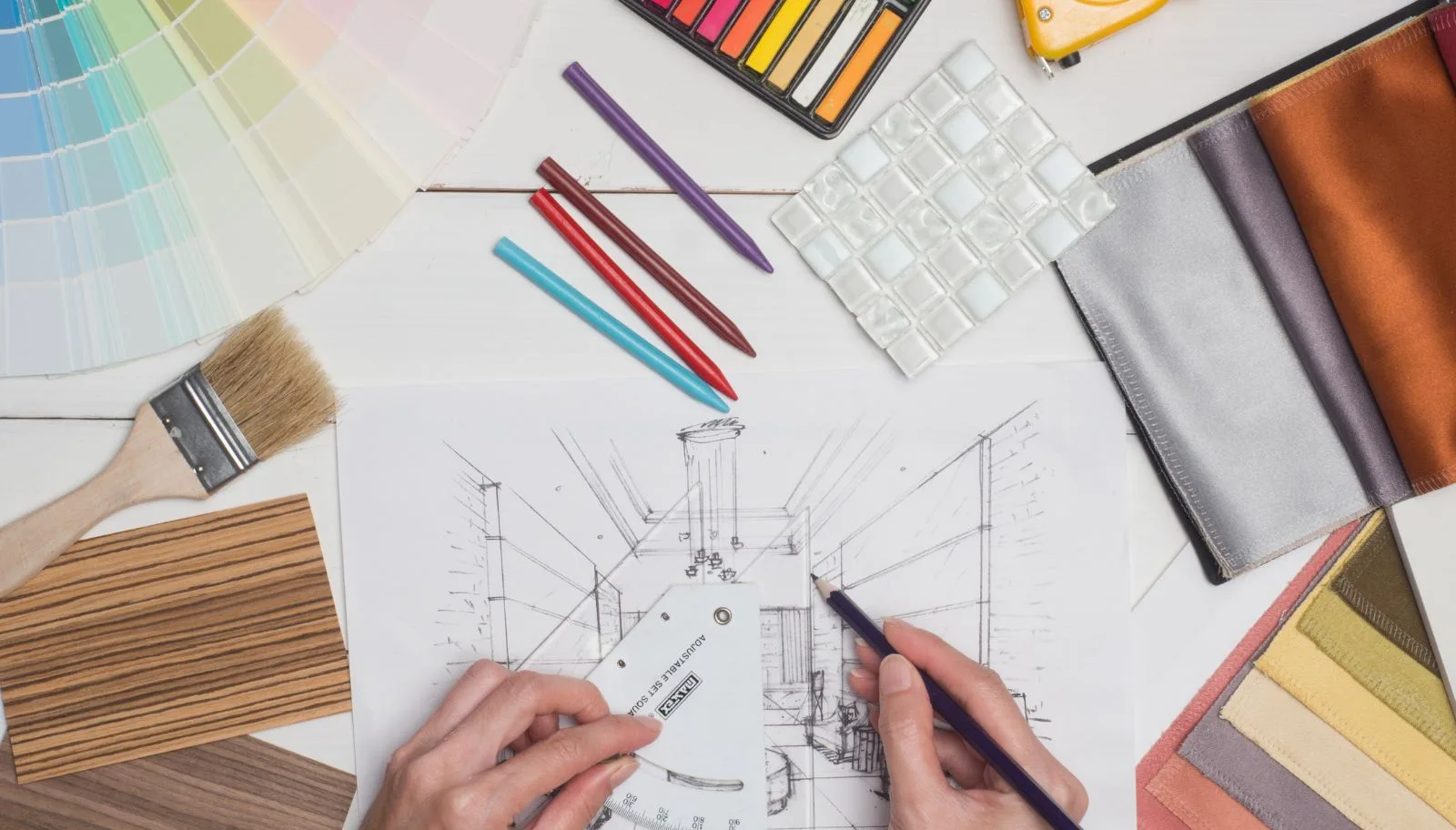
Why Choosing the Right Interior Designer Matters
Your home reflects your lifestyle, values, and personal taste. An interior designer serves as the bridge between your ideas and the final result.
Hiring the right professional offers several advantages:
- Expert space planning
- Better budget management
- Access to exclusive materials and vendors
- Professional project coordination
- Increased property value
- Reduced stress during renovation
A designer’s expertise ensures that every square foot of your home serves a purpose while maintaining visual harmony.
Understanding the Role of an Interior Designer
Before hiring anyone, it’s important to understand exactly what an interior designer does.
Interior designers handle:
- Space planning
- Furniture selection
- Material recommendations
- Lighting design
- Color coordination
- Custom cabinetry design
- Project management
- Contractor coordination
Their goal is to create a cohesive environment that meets both practical and aesthetic needs.
Interior Designer vs Interior Decorator
Many people confuse these two professions.
| Interior Designer | Interior Decorator |
| Focuses on structure and functionality | Focuses mainly on aesthetics |
| May work with architects and contractors | Primarily handles furnishings and décor |
| Requires technical knowledge | Focuses on styling and visual appeal |
| Involved in renovations and remodeling | Typically works after construction |
Understanding this distinction helps you hire the right expert for your project.
Tip #1: Define Your Style and Project Goals Clearly
One of the most important steps in How to Choose the Best Interior Designer for Your Dream Home is understanding your own preferences.
Creating a Design Vision
Before meeting designers:
- Collect inspiration photos
- Create mood boards
- Save images from magazines and websites
- Identify preferred color palettes
- List must-have features
Popular design styles include:
- Modern
- Contemporary
- Minimalist
- Scandinavian
- Traditional
- Industrial
- Bohemian
- Luxury Modern
Having a clear vision helps designers understand your expectations and determine whether they are the right fit.
Tip #2: Research Designers Thoroughly
Never hire the first designer you find online.
Where to Find Reputable Professionals
Reliable sources include:
- Professional design associations
- Architecture firms
- Referrals from friends and family
- Home improvement exhibitions
- Social media platforms
- Design magazines
- Industry directories
Research allows you to compare different professionals and identify those with relevant experience.
When reviewing websites and social profiles, pay attention to consistency, professionalism, and project quality.

Tip #3: Review Portfolios Carefully
A designer’s portfolio is one of the strongest indicators of their skills and capabilities.
Evaluating Design Quality and Versatility
When reviewing portfolios, ask yourself:
- Do the projects align with my style?
- Is there consistency in quality?
- Can the designer work across multiple design styles?
- Are the spaces functional as well as beautiful?
- Do projects appear customized or repetitive?
Look beyond aesthetics. Great design solves practical problems while creating visually appealing environments.
A diverse portfolio often indicates adaptability and creativity.
Tip #4: Check Credentials and Experience
Qualifications matter, especially for large-scale residential projects.
Certifications and Industry Knowledge
Consider factors such as:
- Educational background
- Professional certifications
- Years of experience
- Specialized expertise
- Industry memberships
Experienced designers often have established relationships with contractors, suppliers, and artisans, which can improve project outcomes.
Ask about projects similar to yours and request examples whenever possible.
Tip #5: Understand Pricing and Budget Transparency
Budget misunderstandings are among the most common causes of homeowner dissatisfaction.
Common Pricing Models
Interior designers may charge:
| Pricing Method | Description |
| Flat Fee | Fixed project cost |
| Hourly Rate | Based on time spent |
| Percentage Fee | Percentage of project cost |
| Cost Plus | Markup on purchased items |
| Hybrid Model | Combination of methods |
Request detailed estimates covering:
- Design fees
- Furniture costs
- Material expenses
- Contractor charges
- Contingency allowances
Transparency from the beginning reduces the risk of unpleasant surprises later.
Tip #6: Assess Communication and Compatibility
Design projects often last several months. Strong communication is essential.
Building a Strong Working Relationship
During consultations, evaluate:
- Responsiveness
- Listening skills
- Professionalism
- Problem-solving abilities
- Openness to feedback
A designer should understand your vision while providing professional guidance.
Successful projects rely on collaboration. If communication feels difficult during initial meetings, challenges may increase during execution.
Choose someone who makes you feel comfortable and understood.
Tip #7: Read Reviews and Ask for References
Client feedback provides valuable insight into a designer’s reliability and work quality.
Learning from Past Clients
When speaking with references, ask:
- Was the project completed on time?
- Did the final cost match estimates?
- How were unexpected issues handled?
- Was communication effective?
- Would you hire the designer again?
Online reviews can also reveal patterns related to professionalism, customer service, and project management.
A strong reputation often reflects consistent performance.
Questions to Ask Before Hiring an Interior Designer
Prepare a list of questions before making your decision.
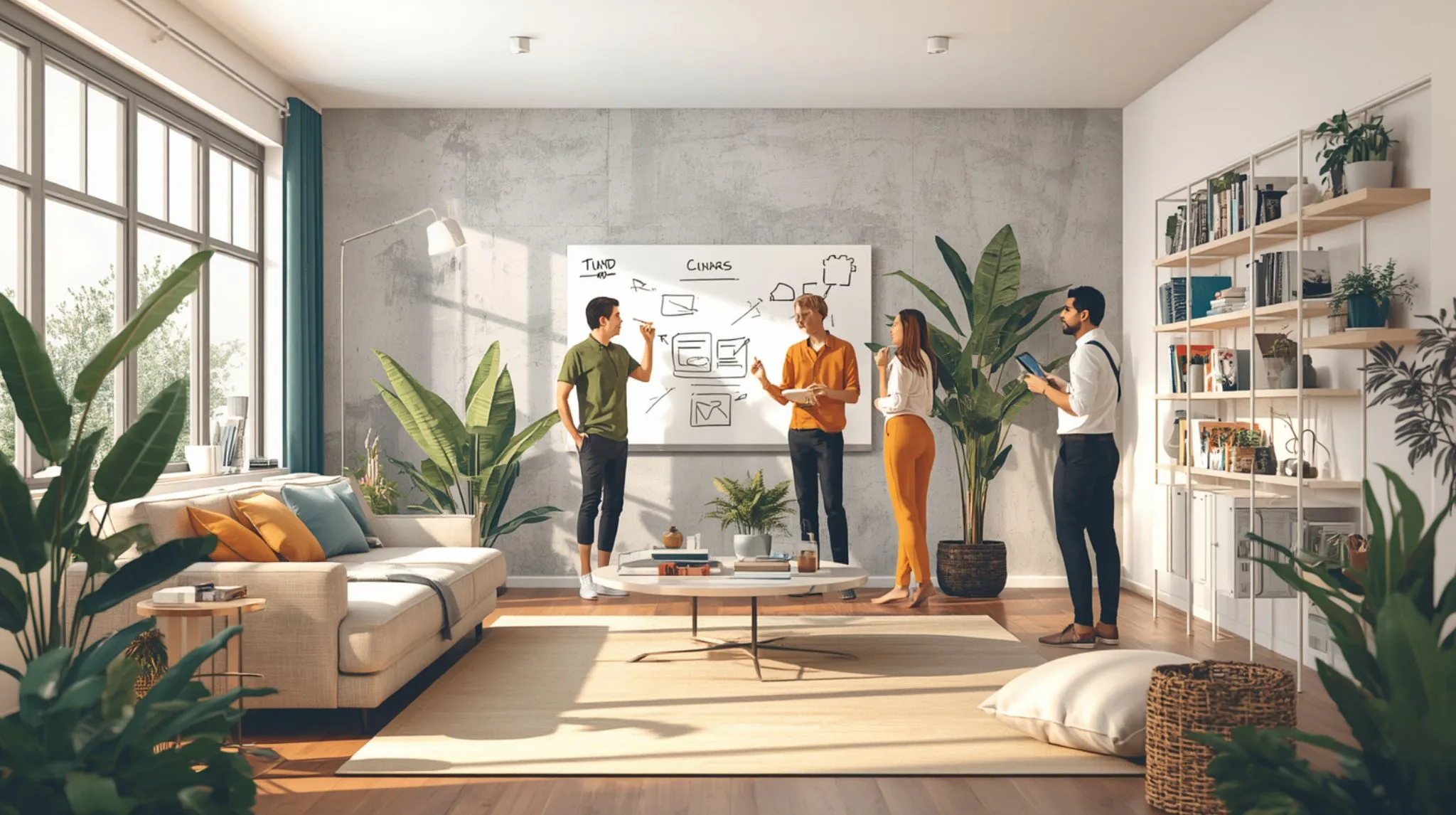
Prepare a list of questions before making your decision.
Examples include:
- How many projects similar to mine have you completed?
- What is your design process?
- How do you handle budget management?
- What is your project timeline?
- Do you work with specific contractors?
- How often will we communicate?
- What happens if changes are needed during the project?
These questions help establish expectations and avoid misunderstandings.
Red Flags to Watch Out For
Not every designer will be the right fit.
Warning signs include:
- Unclear pricing
- Lack of references
- Poor communication
- Missed appointments
- Unrealistic promises
- Limited portfolio examples
- Resistance to client input
Trust your instincts. If something feels off, continue your search.
Benefits of Hiring a Professional Interior Designer
Many homeowners initially consider managing projects themselves.
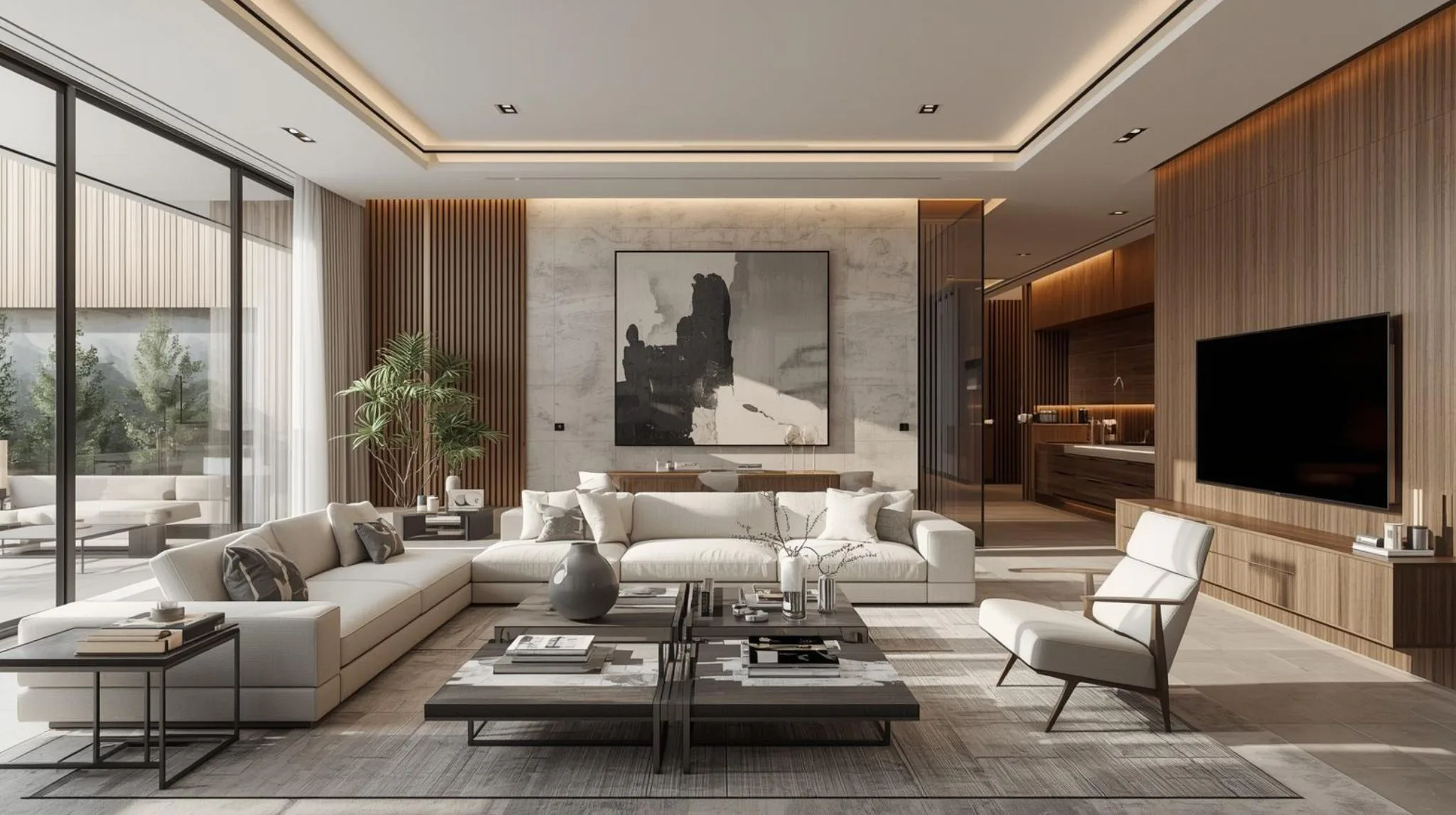
However, professional designers provide significant value:
Time Savings
Designers streamline decision-making and coordinate multiple aspects of the project.
Budget Efficiency
They help avoid costly mistakes and unnecessary purchases.
Access to Resources
Professionals often have access to exclusive products and vendor discounts.
Enhanced Functionality
Designers optimize layouts to improve daily living.
Increased Property Value
Well-designed homes often attract higher resale prices.
Modern Interior Design Trends Influencing Homeowners
Current trends continue to shape design decisions.
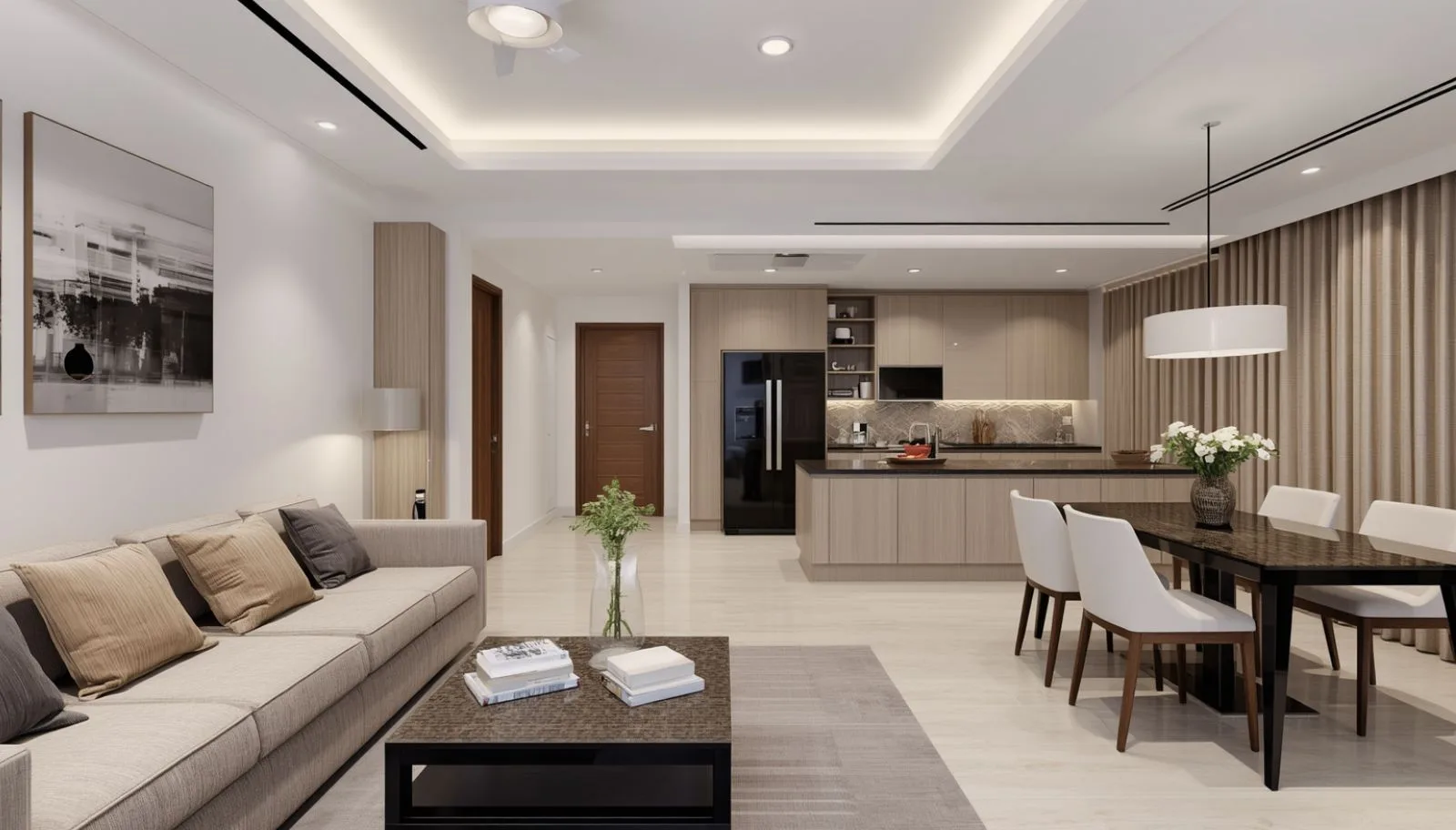
Popular trends include:
- Sustainable materials
- Smart home integration
- Multifunctional spaces
- Minimalist aesthetics
- Biophilic design
- Natural textures
- Earth-tone palettes
A knowledgeable designer can help incorporate trends while maintaining timeless appeal.
How Technology Is Changing Interior Design
Technology has transformed the design process.

Modern tools include:
- 3D visualization software
- Virtual reality walkthroughs
- AI-assisted design planning
- Digital mood boards
- Online collaboration platforms
These innovations allow homeowners to visualize projects before construction begins, reducing uncertainty and improving decision-making.
👉 Transform your home beautifully in 2026.
📞 Book a free consultation
💬 Get cost estimate instantly
🏠 Custom ideas for your home size
📝 Conclusion
Understanding How to Choose the Best Interior Designer for Your Dream Home is one of the most important steps in creating a living space that reflects your personality, lifestyle, and aspirations. The right designer brings expertise, creativity, organization, and practical solutions that transform ideas into reality.
By clearly defining your goals, researching professionals, reviewing portfolios, verifying credentials, understanding pricing structures, assessing communication skills, and checking references, you can make a confident and informed decision.
Your dream home deserves thoughtful planning and expert execution. Investing time in selecting the right interior designer will ultimately result in a beautiful, functional, and timeless space that you and your family can enjoy for years to come.
For additional design inspiration and professional resources, explore the official Home2decor blog site of the home2decor.in
Frequently Asked Questions
1. How much does an interior designer typically charge?
Fees vary depending on location, experience, and project scope. Pricing may range from hourly rates to fixed project fees.
2. When should I hire an interior designer?
Ideally, involve a designer during the planning stage to maximize efficiency and avoid costly revisions.
3. Can an interior designer work within a limited budget?
Yes. Experienced designers can create attractive spaces across various budget levels.
4. How long does an interior design project take?
Project timelines vary from a few weeks to several months depending on complexity.
5. Should I hire a designer for a small apartment?
Absolutely. Designers can significantly improve functionality and space utilization in smaller homes.
6. Do interior designers purchase furniture on behalf of clients?
Many designers offer procurement services and coordinate purchases directly.
7. Can I combine my ideas with a designer’s recommendations?
Yes. The best designers collaborate closely with clients to achieve personalized results.
8. What is the biggest mistake homeowners make when hiring a designer?
Choosing solely based on price rather than experience, compatibility, and portfolio quality.