
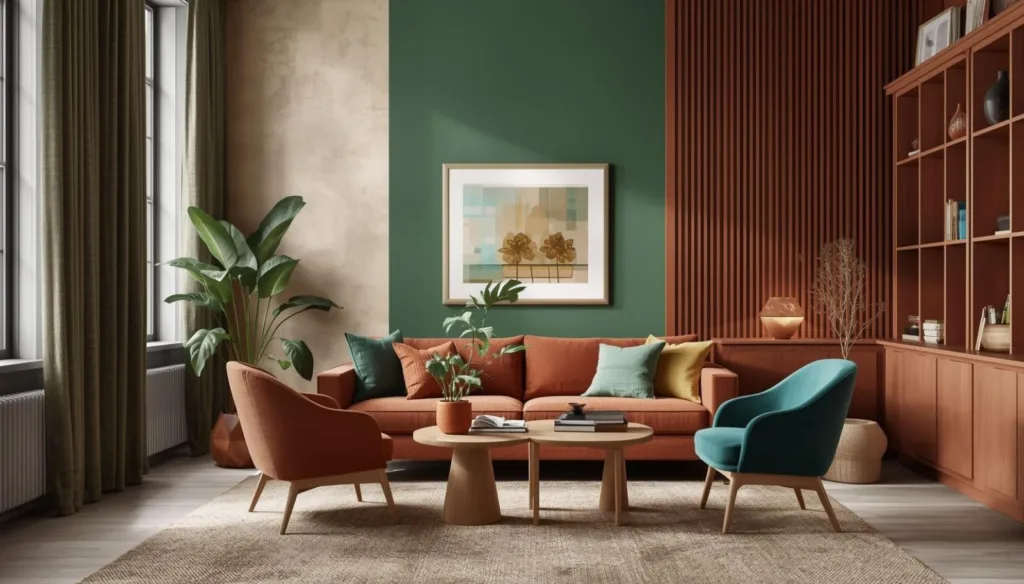
Turnkey Interior Design Services: Everything Homeowners Need to Know
Building or renovating a home is exciting, but it can also be overwhelming. Managing contractors, sourcing materials, coordinating vendors, and ensuring quality control often becomes a full-time responsibility for homeowners. This is where Turnkey Interior Design Services: Everything Homeowners Need to Know becomes an essential topic for anyone planning a home transformation.
Turnkey interior design services offer a complete end-to-end solution, where a single company handles everything from design planning to final execution. The result is a fully finished home that’s ready to move into with minimal effort from the homeowner.
In this comprehensive guide, we’ll explore how turnkey interior services work, their benefits, costs, latest trends, and how to choose the right provider for your project.

Introduction to Turnkey Interior Design Services
What Does Turnkey Mean in Interior Design?
The term “turnkey” refers to a project that is completed and ready for immediate use. In interior design, this means the service provider manages every aspect of the project until the homeowner can simply “turn the key” and move in.
A turnkey interior design package typically includes:
- Design consultation
- Space planning
- Material selection
- Civil work
- Electrical and plumbing work
- Furniture manufacturing
- Installation
- Quality checks
- Final handover
Instead of coordinating multiple vendors, homeowners deal with one dedicated team.
Why Turnkey Solutions Are Growing in Popularity
Modern homeowners often have busy schedules and limited time to supervise construction and interior projects.
Turnkey services have become popular because they offer:
- Convenience
- Faster completion
- Better project coordination
- Reduced stress
- Consistent quality
These advantages make turnkey solutions especially attractive for professionals, families, and investors.
How Turnkey Interior Design Services Work
Initial Consultation and Requirement Analysis
Every successful turnkey project begins with understanding the client’s needs.
During the consultation stage, designers discuss:
- Lifestyle requirements
- Family size
- Design preferences
- Budget expectations
- Functional needs
- Future plans
This information forms the foundation of the project.
Design Planning and Concept Development
The design team develops:
- Floor plans
- 3D visualizations
- Mood boards
- Material samples
- Furniture layouts
- Lighting concepts
Homeowners can review and approve designs before execution begins.
Execution and Project Management
Once approved, the turnkey provider coordinates:
- Contractors
- Carpenters
- Electricians
- Plumbers
- Painters
- Furniture manufacturers
A dedicated project manager ensures everything stays on schedule.
Final Handover Process
Before project completion, comprehensive inspections are conducted to ensure:
- Quality standards are met
- Fixtures function correctly
- Finishes are flawless
- Furniture is properly installed
The home is then handed over fully completed.
Benefits of Choosing Turnkey Interior Design Services
Single Point of Responsibility
One of the biggest advantages is accountability.
Instead of managing multiple vendors, homeowners communicate with a single provider who oversees the entire project.
Benefits include:
- Faster decision-making
- Better coordination
- Clear communication
- Reduced confusion
Time and Cost Efficiency
Turnkey companies often have established supplier networks and streamlined workflows.
This can lead to:
- Reduced delays
- Better pricing
- Efficient procurement
- Faster project completion
Stress-Free Project Execution
Homeowners can focus on their daily lives while professionals manage:
- Scheduling
- Procurement
- Labor management
- Quality inspections
- Problem resolution
The experience becomes significantly less stressful.
Key Components of a Turnkey Interior Design Project

Space Planning and Design
Effective space planning ensures every area serves its intended purpose while maintaining aesthetic harmony.
Designers focus on:
- Traffic flow
- Furniture placement
- Storage solutions
- Lighting optimization
Civil and Structural Work
Depending on project requirements, turnkey services may include:
- Wall modifications
- Flooring installation
- Ceiling design
- Structural enhancements
Electrical and Plumbing Services
Professional teams handle:
- Wiring upgrades
- Lighting installation
- Switch placement
- Plumbing modifications
- Fixture installation
Furniture and Custom Woodwork
Customized furniture often includes:
- Modular kitchens
- Wardrobes
- TV units
- Study desks
- Storage systems
Custom solutions maximize functionality and aesthetics.
Lighting and Decor Installation
The finishing touches often include:
- Decorative lighting
- Artwork placement
- Curtains
- Rugs
- Accessories
These elements bring the design vision to life.
Turnkey Solutions for Apartments
Apartment interiors require smart planning due to limited square footage.
Popular solutions include:
- Multi-functional furniture
- Built-in storage
- Open layouts
- Modular kitchens
- Compact workspaces
Turnkey providers excel at optimizing smaller spaces.
Turnkey Solutions for Villas and Luxury Homes
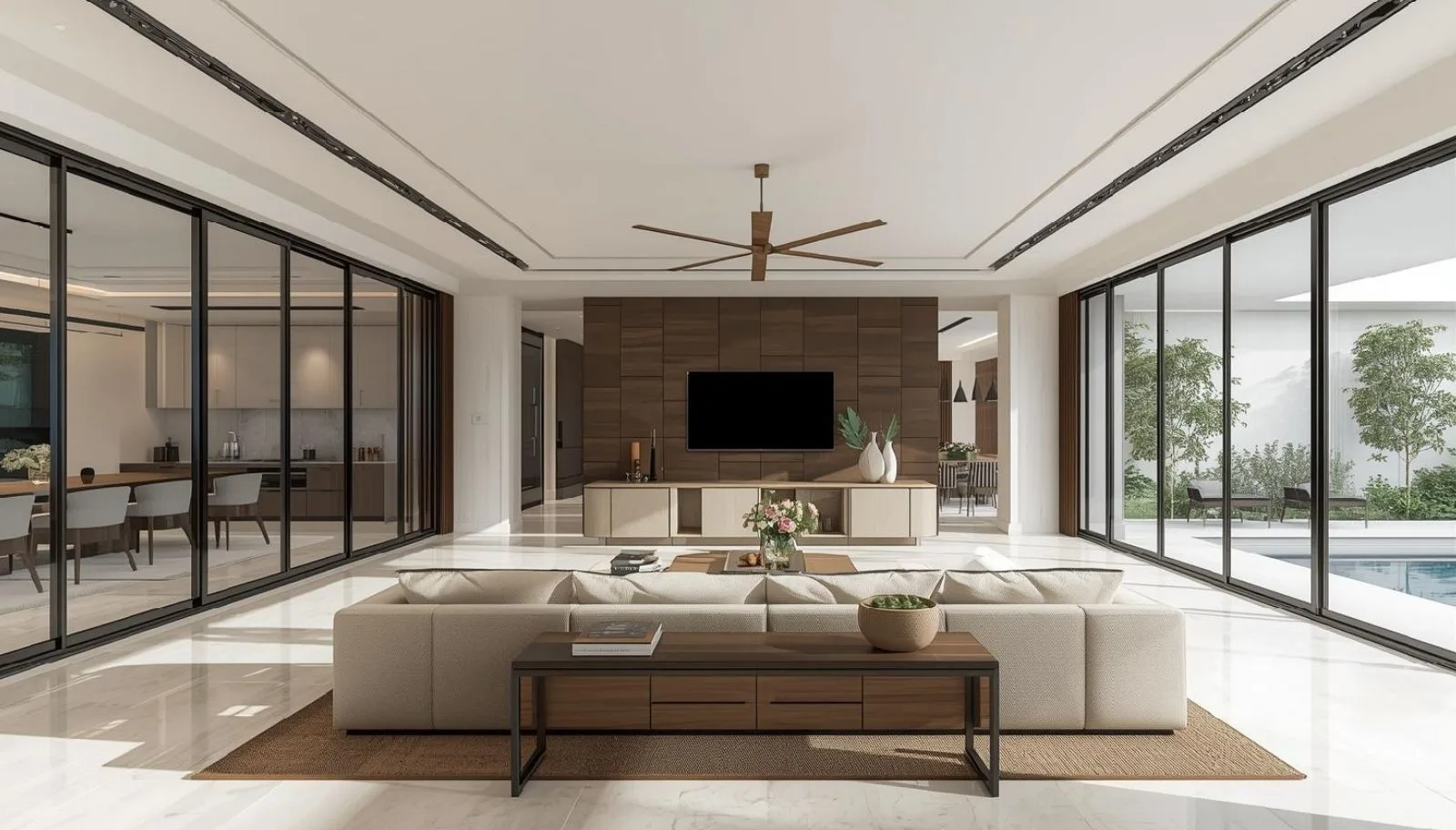
Personalized Design and Premium Finishes
Luxury residences often involve:
- Custom furniture
- Designer lighting
- Imported materials
- Smart home systems
- Wellness spaces
Turnkey firms coordinate these complex elements seamlessly.
Understanding the Turnkey Design Process
Project Timeline and Milestones
A typical project follows these stages:
| Phase | Duration |
| Consultation | 1–2 Weeks |
| Design Development | 2–6 Weeks |
| Material Procurement | 2–4 Weeks |
| Execution | 6–16 Weeks |
| Final Handover | 1 Week |
Actual timelines vary based on project scope.
Quality Control Measures
Professional turnkey firms implement:
- Site inspections
- Material verification
- Workmanship audits
- Safety compliance checks
These processes help maintain consistent quality.
Cost of Turnkey Interior Design Services
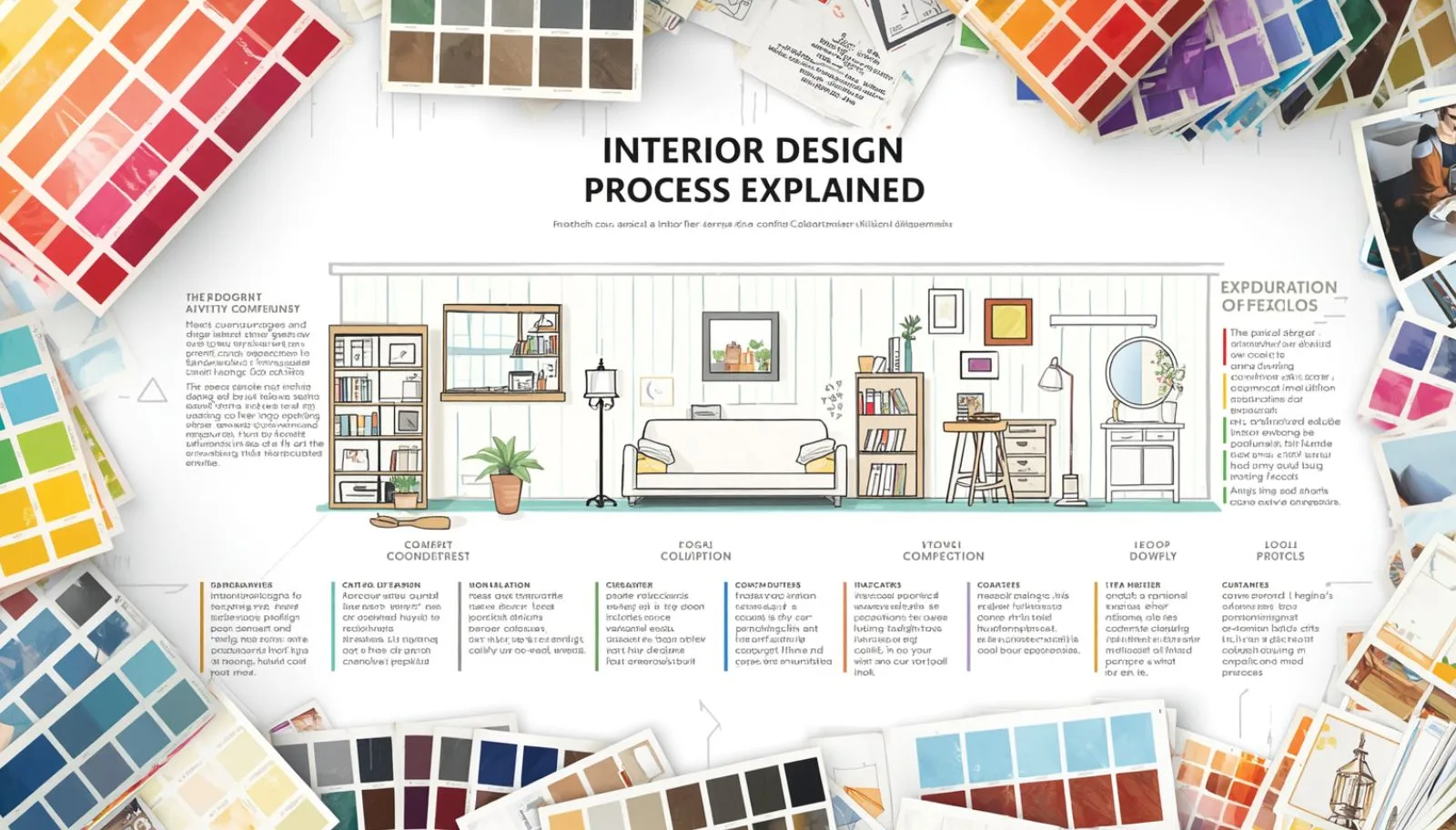
Factors Affecting Pricing
Several variables influence project costs:
- Home size
- Design complexity
- Material quality
- Customization level
- Location
- Technology integration
Premium finishes naturally increase overall budgets.
Budget Planning Tips
To manage costs effectively:
- Define priorities early.
- Set realistic expectations.
- Include contingency funds.
- Review quotations carefully.
- Focus on long-term value.
Strategic planning helps avoid budget overruns.
Choosing the Right Turnkey Interior Design Company
Experience and Portfolio Evaluation
Before hiring, evaluate:
- Completed projects
- Industry experience
- Client testimonials
- Design quality
- Project management capabilities
A strong portfolio demonstrates reliability.
Questions to Ask Before Hiring
Consider asking:

- What services are included?
- How are project timelines managed?
- What warranties are offered?
- How are changes handled?
- Who supervises execution?
Clear answers indicate professionalism.
Common Mistakes Homeowners Should Avoid
Unrealistic Budget Expectations
Many homeowners underestimate:
- Material costs
- Labor expenses
- Customization charges
Setting a realistic budget reduces disappointment.
Poor Communication During Execution
Regular updates are essential.
Homeowners should:
- Review progress reports
- Approve major decisions promptly
- Communicate concerns early
Collaboration improves outcomes.
Turnkey vs Traditional Interior Design Services
Major Differences and Advantages

| Turnkey Services | Traditional Services |
| Single provider | Multiple vendors |
| End-to-end execution | Design-focused only |
| One point of contact | Several coordinators |
| Simplified management | Greater homeowner involvement |
| Faster delivery | Potential coordination delays |
For many homeowners, turnkey services offer greater convenience and peace of mind.
Latest Trends in Turnkey Interior Design
Smart Homes and Sustainable Interiors

Modern turnkey projects increasingly incorporate:
- Smart lighting systems
- Voice-controlled automation
- Energy-efficient appliances
- Sustainable materials
- Biophilic design elements
These trends improve comfort, efficiency, and environmental responsibility.
👉 Transform your home beautifully in 2026.
📞 Book a free consultation
💬 Get cost estimate instantly
🏠 Custom ideas for your home size
📝 Conclusion
Understanding Turnkey Interior Design Services: Everything Homeowners Need to Know can help homeowners make informed decisions when planning their dream homes. Turnkey solutions simplify the entire interior design journey by providing a single point of responsibility, streamlined project management, consistent quality control, and stress-free execution.
Whether you’re furnishing a compact apartment or designing a luxury villa, turnkey interior services offer a practical and efficient path to achieving beautiful, functional, and personalized living spaces. By choosing the right provider and maintaining clear communication throughout the process, homeowners can enjoy a smooth experience and exceptional results from concept to completion.
Frequently Asked Questions
1. What is included in turnkey interior design services?
Most turnkey packages include design, planning, procurement, execution, furniture installation, quality control, and final handover.
2. Are turnkey interior services more expensive?
Not necessarily. While initial costs may seem higher, better coordination and reduced errors often provide overall value.
3. How long does a turnkey interior project take?
Depending on project size, completion can range from a few weeks to several months.
4. Can I customize a turnkey interior package?
Yes. Most providers offer flexible solutions tailored to homeowners’ preferences and budgets.
5. Are turnkey services suitable for apartments?
Absolutely. They are particularly effective for maximizing space and streamlining renovations.
6. How do turnkey firms ensure quality?
Through dedicated project management, inspections, quality audits, and standardized processes.
7. What is the biggest advantage of turnkey interiors?
Convenience. Homeowners receive a fully completed home with minimal involvement in day-to-day project management.