
Imagine Bringing the Cinema Experience Home
Picture this: It’s Friday evening. The lights dim automatically, your favorite movie starts playing on a massive screen, surround sound fills the room, and you’re relaxing in a comfortable recliner with family and friends.
Sounds amazing, right?
That’s exactly what a well-designed home theater can offer.
In recent years, homeowners have been investing more in personalized entertainment spaces. Whether you’re a movie enthusiast, sports fan, or gamer, a dedicated home theater can completely transform how you enjoy content.
However, creating the perfect entertainment room isn’t just about buying a big TV and expensive speakers. Successful Home Theater Interior Design combines smart planning, comfortable seating, proper acoustics, stylish décor, and advanced technology.
In this guide, we’ll walk through everything you need to know to design a home theater that looks incredible and performs even better.
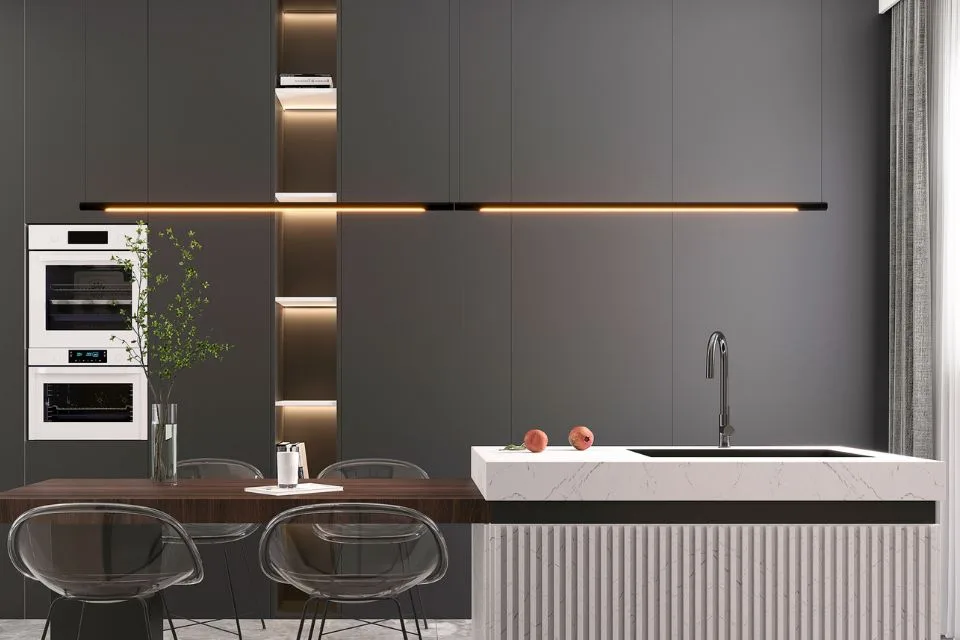
Why Home Theater Interior Design Matters
Many people spend thousands of dollars on premium televisions and surround sound systems but overlook the room itself.
The reality is that the room plays a huge role in your viewing experience.
A thoughtfully designed home theater improves:
✅ Sound quality
✅ Picture performance
✅ Viewing comfort
✅ Room aesthetics
✅ Property value
✅ Overall entertainment experience
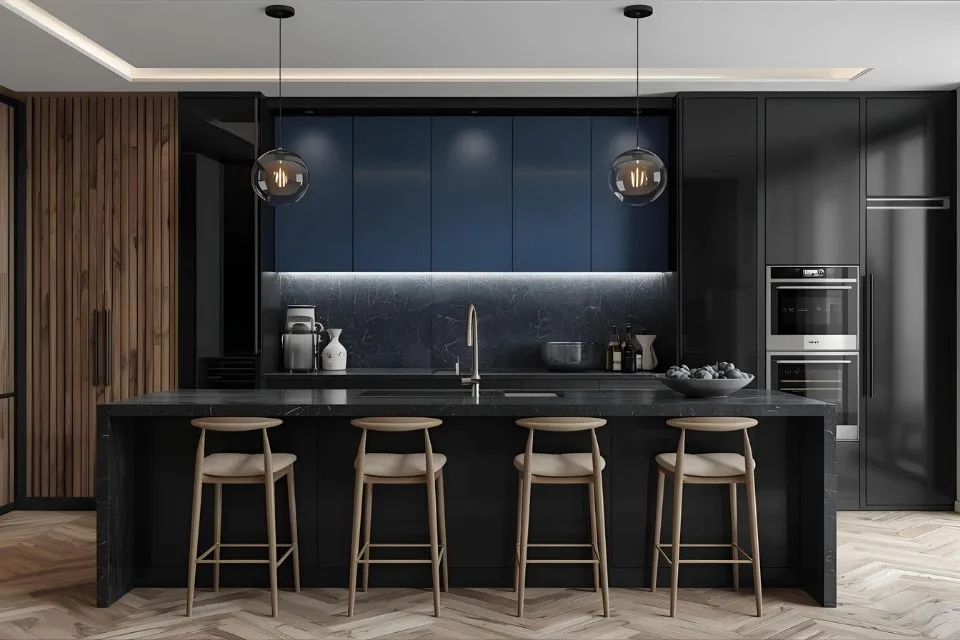
Without proper design, even high-end equipment may not perform at its full potential.
Step 1: Choose the Perfect Room
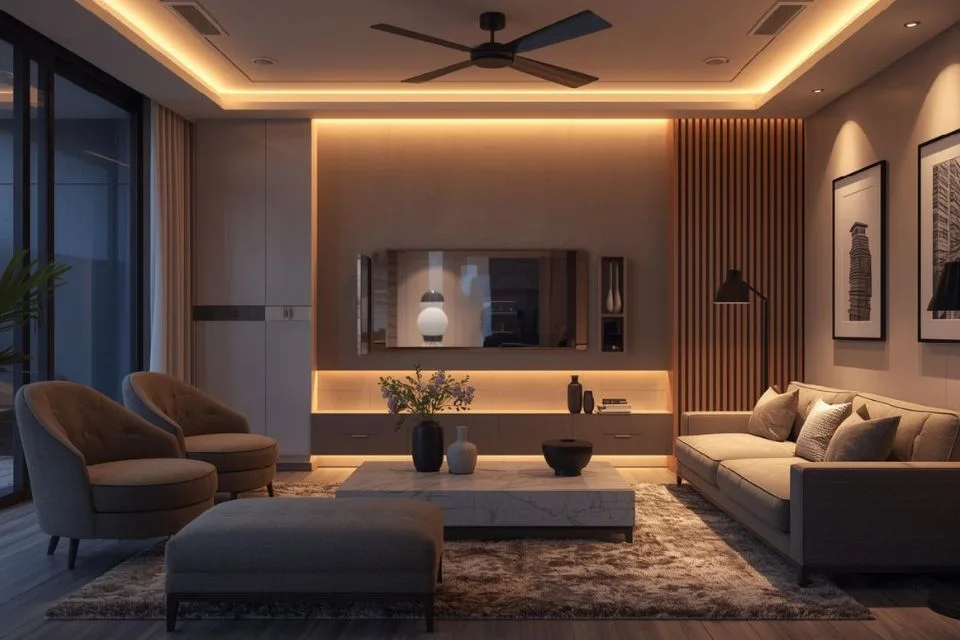
Before selecting equipment or furniture, start by identifying the best location for your theater.
Ideal Home Theater Room Characteristics
- Minimal natural light
- Quiet location
- Rectangular shape
- Adequate ceiling height
- Good ventilation
- Sufficient electrical outlets
Basements are often considered ideal because they naturally block external noise and sunlight.
However, spare bedrooms, bonus rooms, and even converted garages can work beautifully when designed correctly.
Step 2: Determine the Right Layout
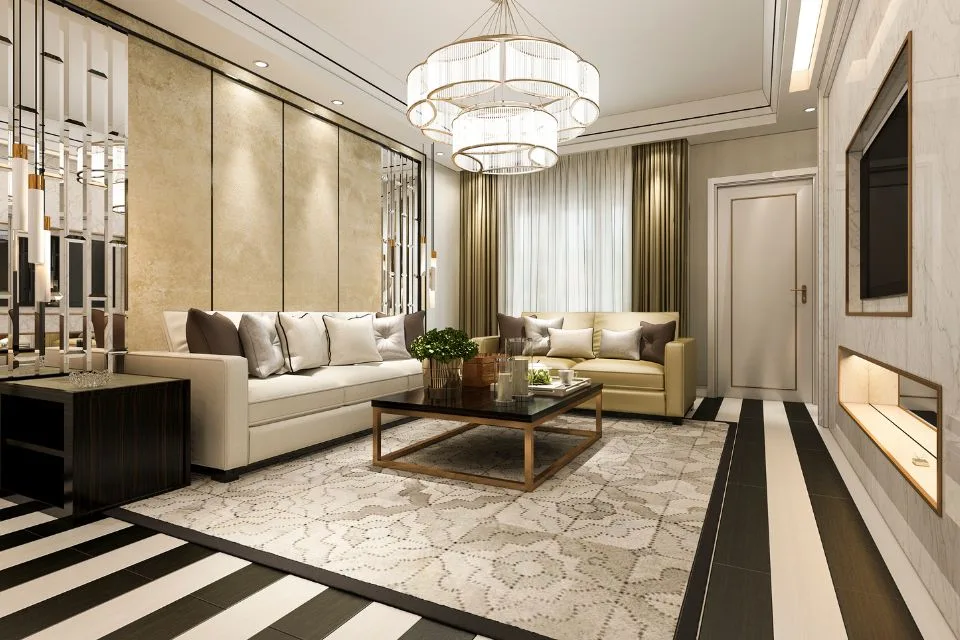
Your room layout affects both comfort and performance.
Recommended Viewing Distances
| Screen Size | Viewing Distance |
| 65 Inches | 8–10 Feet |
| 85 Inches | 10–12 Feet |
| 100 Inches | 11–13 Feet |
| 120 Inches | 12–15 Feet |
The goal is to create an immersive experience without causing eye strain.
Single-Row vs Multi-Row Seating
If your room is large enough, consider tiered seating.
Benefits include:
- Better sightlines
- Authentic cinema feel
- Increased seating capacity
For smaller spaces, a single row of luxury recliners often works best.
Choosing the Perfect Screen
The screen is undoubtedly the centerpiece of your home theater.
Large OLED or QLED Television
Best for:
- Small to medium rooms
- Bright environments
- Easy installation
Advantages:
- Incredible image quality
- Vibrant colors
- Excellent contrast
- Low maintenance
Projector and Screen Setup
Best for:
- Dedicated theater rooms
- Large spaces
- True cinema experiences
Benefits:
- Massive image sizes
- Greater immersion
- Authentic theater atmosphere
Many homeowners choose projection systems because they recreate the excitement of a commercial movie theater.
Creating Powerful Surround Sound
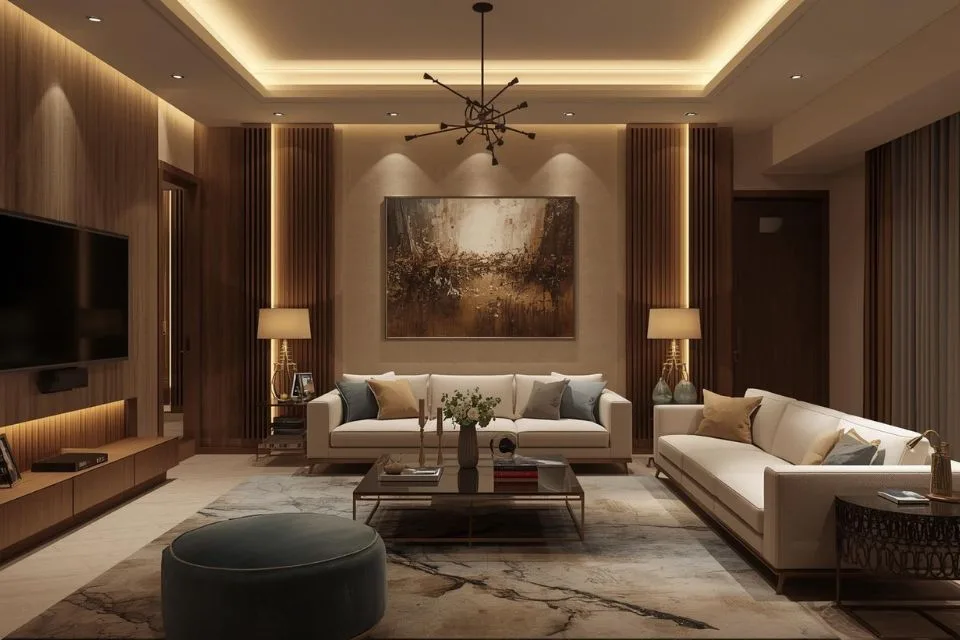
A great picture attracts attention.
A great sound system creates emotion.
Popular Surround Sound Configurations
5.1 System
Includes:
- Front left speaker
- Front right speaker
- Center speaker
- Two surround speakers
- One subwoofer
Perfect for most home theaters.
7.1 System
Adds two extra surround speakers for enhanced realism.
Dolby Atmos
The gold standard for immersive sound.
Features:
- Overhead audio effects
- Three-dimensional sound
- Superior movie experiences
Imagine hearing rain falling above you or a helicopter flying overhead. That’s the power of Dolby Atmos.
Acoustic Treatments: The Secret to Better Sound
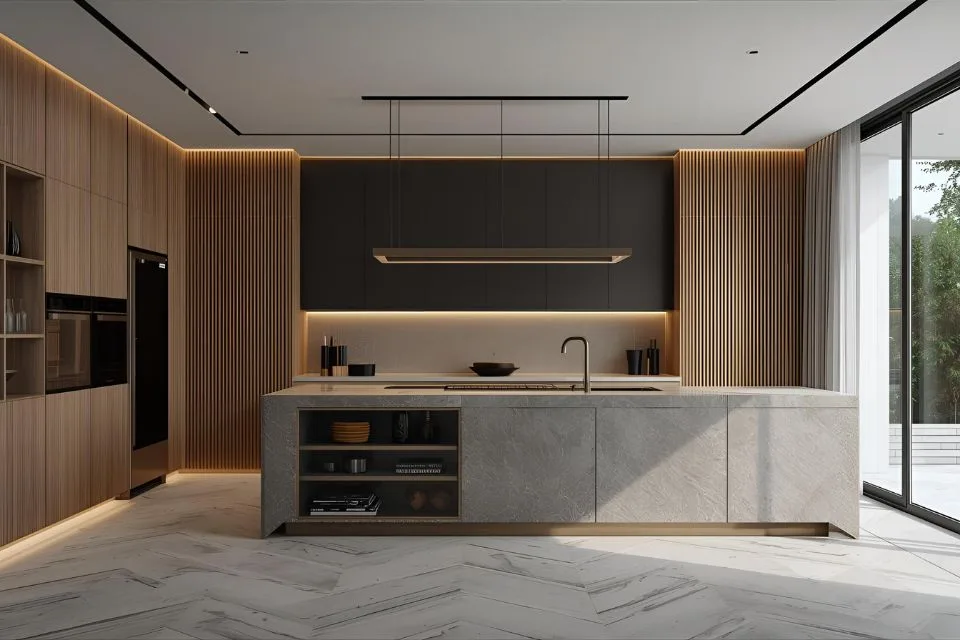
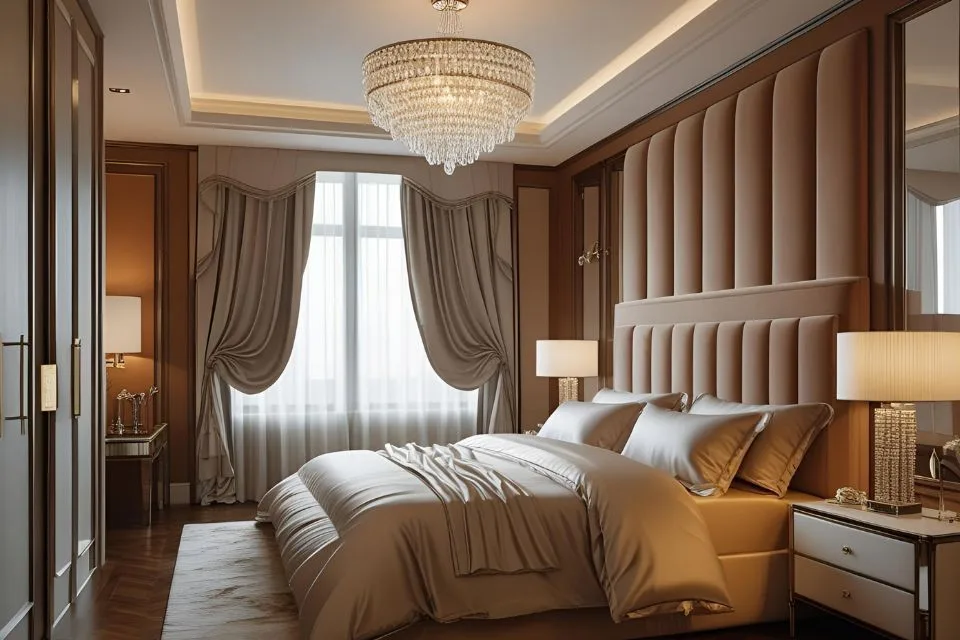
One of the biggest mistakes homeowners make is ignoring room acoustics.
Even expensive speakers can sound disappointing in a room with poor acoustics.
Why Acoustic Treatment Matters
Without treatment:
- Echoes increase
- Voices become unclear
- Bass sounds muddy
- Sound quality suffers
Acoustic Solutions Worth Considering
Acoustic Wall Panels
Reduce reflections and improve clarity.
Bass Traps
Control low-frequency buildup.
Fabric Panels
Add style while improving sound performance.
Acoustic Ceilings
Help create balanced sound throughout the room.
A properly treated room can dramatically improve your listening experience.
Home Theater Lighting Ideas
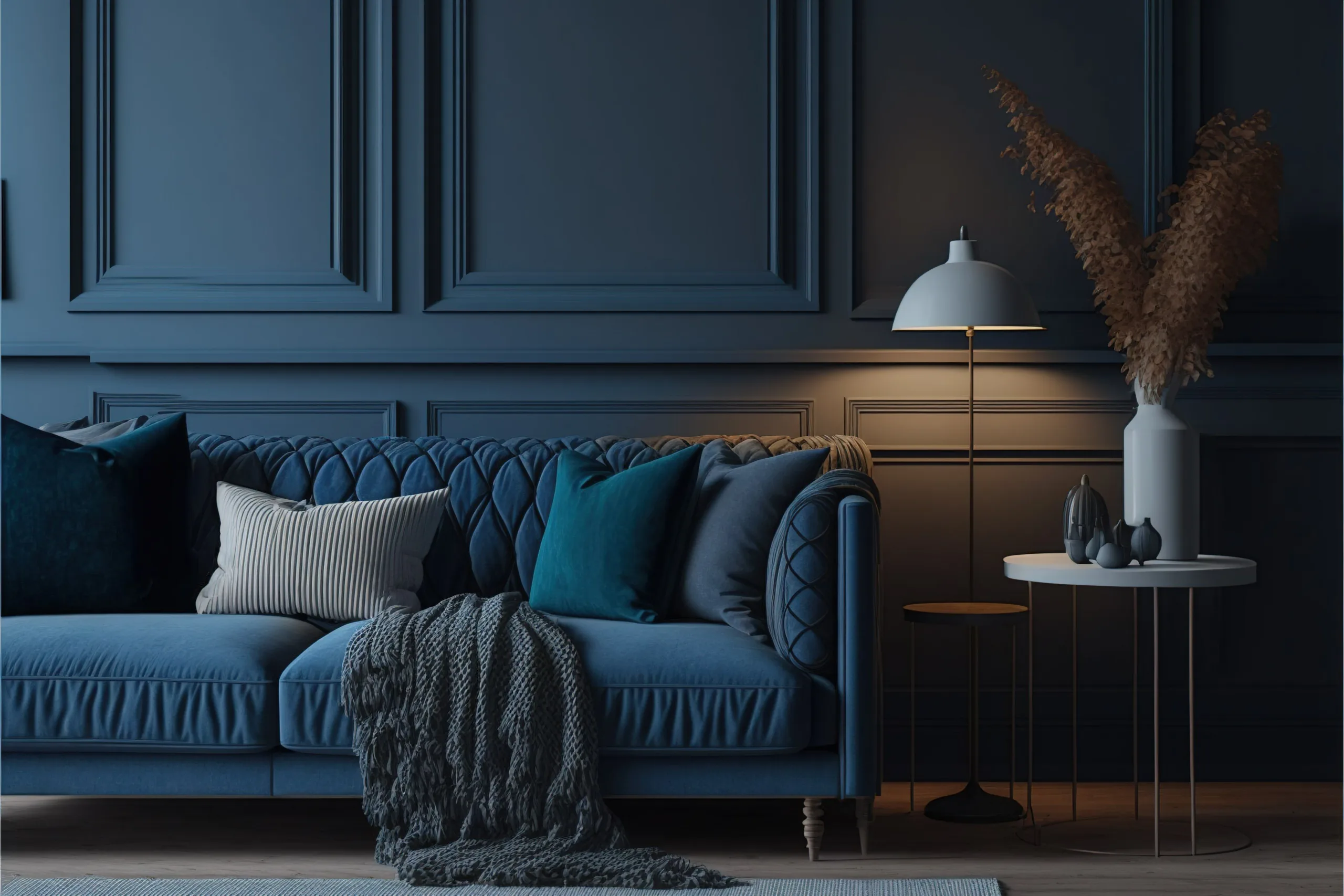
Lighting sets the mood.
The best theaters use layered lighting instead of relying on a single ceiling fixture.
Ambient Lighting
Provides general illumination.
Examples:
- Recessed lighting
- Cove lighting
- LED ceiling strips
Accent Lighting
Adds luxury and atmosphere.
Popular options:
- Wall sconces
- LED shelf lighting
- Backlit panels
- Stair lighting
Smart Lighting Controls
Modern smart systems allow homeowners to:
- Dim lights automatically
- Activate movie scenes
- Control lighting with smartphones
- Use voice commands
This level of automation enhances convenience and sophistication.
Best Colors for a Home Theater
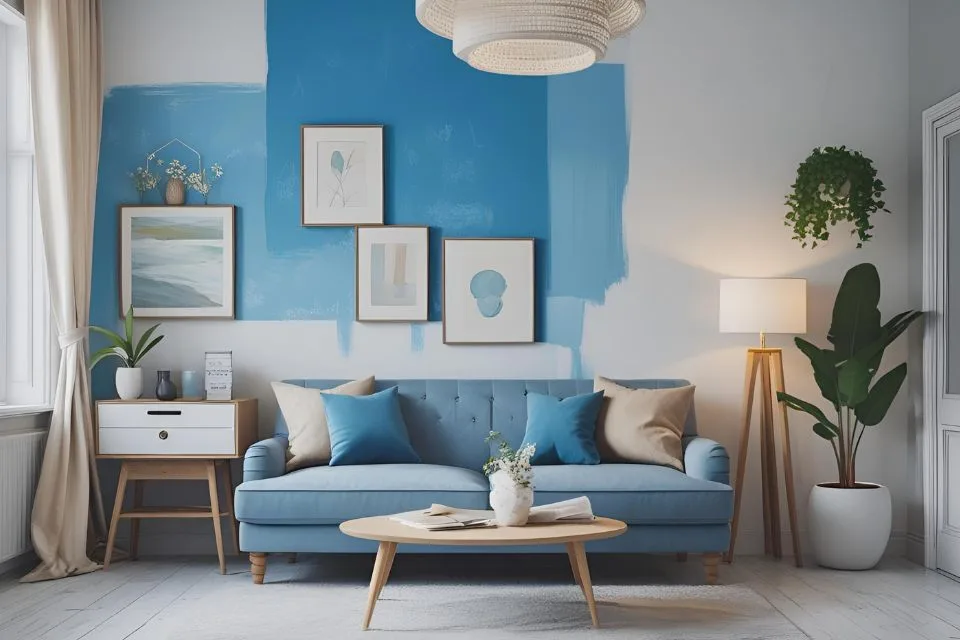
Dark colors are often preferred because they reduce reflections and improve screen visibility.
Popular Home Theater Color Choices
- Matte Black
- Charcoal Gray
- Deep Navy Blue
- Chocolate Brown
- Burgundy
These shades create a cozy, immersive environment while helping your screen look brighter and more vibrant.
Luxury Seating Ideas You’ll Love
Comfort matters.
After all, you’ll likely spend several hours at a time watching movies or gaming.
Theater Recliners
The most popular choice.
Features often include:
- Motorized reclining
- Cup holders
- USB charging ports
- Premium leather upholstery
Sectional Sofas
Ideal for family movie nights.
Benefits include:
- Flexible seating
- Casual comfort
- Contemporary style
Custom Theater Chairs
Perfect for luxury installations.
They add a professional cinema appearance and can be customized to match your room’s theme.
Flooring Options for Better Acoustics
Flooring affects both comfort and sound quality.
Carpet
The most recommended option.
Advantages:
- Excellent sound absorption
- Comfortable underfoot
- Improved acoustics
Engineered Hardwood
Offers a sophisticated appearance while remaining durable.
Luxury Vinyl Plank
Provides affordability and easy maintenance.
For best results, many designers pair flooring with acoustic underlayment.
Smart Home Technology Integration
Today’s home theaters are becoming smarter than ever.
Popular smart features include:
- Voice-controlled systems
- Automated curtains
- Smart thermostats
- Universal remotes
- AI-powered entertainment hubs
Imagine starting your movie night with a single voice command.
The lights dim.
The projector turns on.
The curtains close.
The sound system activates.
All automatically.
That’s the future of entertainment.
Common Home Theater Design Mistakes
Avoid these costly errors:
❌ Choosing a screen that’s too large
❌ Ignoring acoustics
❌ Poor speaker placement
❌ Insufficient ventilation
❌ Inadequate electrical planning
❌ Too much natural light
❌ Overcrowded seating arrangements
Careful planning can prevent expensive redesigns later.
How Much Does a Home Theater Cost?
Costs vary depending on room size and equipment quality.
| Theater Type | Estimated Budget |
| Basic Setup | ₹2–5 Lakhs |
| Mid-Range Theater | ₹5–15 Lakhs |
| Premium Theater | ₹15–50 Lakhs+ |
| Luxury Cinema Room | ₹50 Lakhs+ |
Remember that quality acoustics, seating, and lighting are just as important as expensive equipment.
Home Theater Design Trends for 2026
Exciting innovations continue to shape modern entertainment spaces.
Trending Features
- AI-powered automation
- Hidden speakers
- Laser projectors
- Acoustic fabric walls
- Gaming-focused theaters
- Multi-purpose media rooms
- Sustainable materials
- Voice-controlled environments
The future home theater will be smarter, more immersive, and more personalized than ever before.
👉 Transform your home beautifully in 2026.
📞 Book a free consultation
💬 Get cost estimate instantly
🏠 Custom ideas for your home size
Final Thoughts
A well-designed home theater is much more than a room filled with technology. It’s a carefully planned environment where acoustics, lighting, seating, décor, and smart technology work together to create unforgettable entertainment experiences.
Whether you’re designing a cozy media room or a luxury cinema space, investing time in proper Home Theater Interior Design will ensure that every movie, game, and sporting event feels extraordinary.
Start with a clear plan, focus on both aesthetics and functionality, and build a space that your family and friends will enjoy for years to come.
Frequently Asked Questions
1. Is a home theater worth the investment?
Absolutely. It enhances entertainment, increases property value, and provides long-term enjoyment.
2. What is the ideal room size for a home theater?
Most dedicated theaters perform well in rooms between 150 and 400 square feet.
3. Which is better: projector or TV?
Projectors offer larger images and a true cinema feel, while TVs provide brighter pictures and easier setup.
4. How important is soundproofing?
Very important. Soundproofing prevents noise leakage and improves immersion.
5. What color works best for home theater walls?
Dark colors such as charcoal gray, navy blue, and black generally provide the best viewing experience.
6. How many speakers do I need?
A 5.1 system works well for most rooms, while Dolby Atmos setups offer premium performance.
7. Can I build a home theater in a small room?
Yes. Smart layouts and compact equipment make excellent home theaters possible even in smaller spaces.
8. What's the biggest home theater design mistake?
Ignoring room acoustics. Great equipment cannot compensate for poor acoustic design.