
Complete Turnkey Interior Design Services in Mumbai: Process, Cost & Benefits
Designing a home is an exciting journey, but managing multiple contractors, suppliers, carpenters, electricians, painters, and vendors can quickly become overwhelming. This is where turnkey interior design services make a significant difference.
A turnkey interior project means one company takes complete responsibility for the design, procurement, manufacturing, execution, installation, quality checks, and final handover. Instead of coordinating with several professionals, homeowners work with a single point of contact throughout the project.
In Mumbai, where renovation timelines, building regulations, and space constraints require careful planning, turnkey solutions have become increasingly popular for apartments, villas, and luxury residences. To learn more about end-to-end renovation services, explore our Turnkey Interior Designers Mumbai.
Whether you’re furnishing a new 2 BHK, renovating a 3 BHK apartment, or designing a premium penthouse, this guide explains everything you need to know about turnkey interior design services in Mumbai, including the process, estimated costs, timelines, advantages, and tips for choosing the right company.
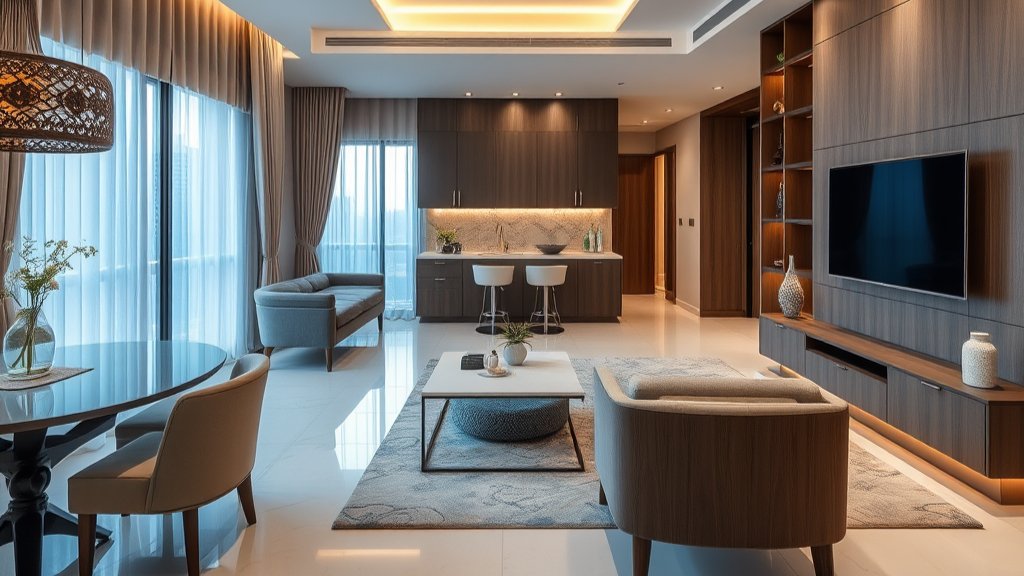
What Are Turnkey Interior Design Services?
A turnkey interior project is an end-to-end solution in which the interior design company manages every stage of the project—from the initial consultation to the final handover.
Instead of hiring separate professionals for design, carpentry, electrical work, painting, and furniture, everything is handled under one contract.
Typical Turnkey Services Include
- Interior design consultation
- Site measurements
- Space planning
- 2D layouts
- 3D visualizations
- Material selection
- Modular furniture manufacturing
- Civil work
- Electrical work
- Plumbing coordination
- False ceiling installation
- Painting
- Flooring
- Lighting installation
- Site supervision
- Quality inspections
- Final cleaning
- Handover
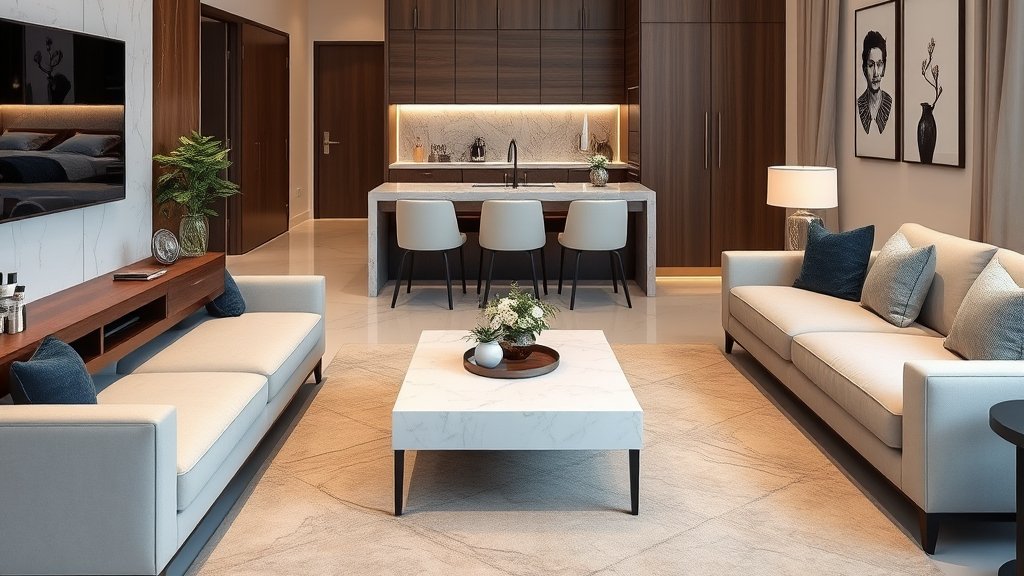
This integrated approach helps simplify communication and project management.
Why Turnkey Interior Design Is Popular in Mumbai
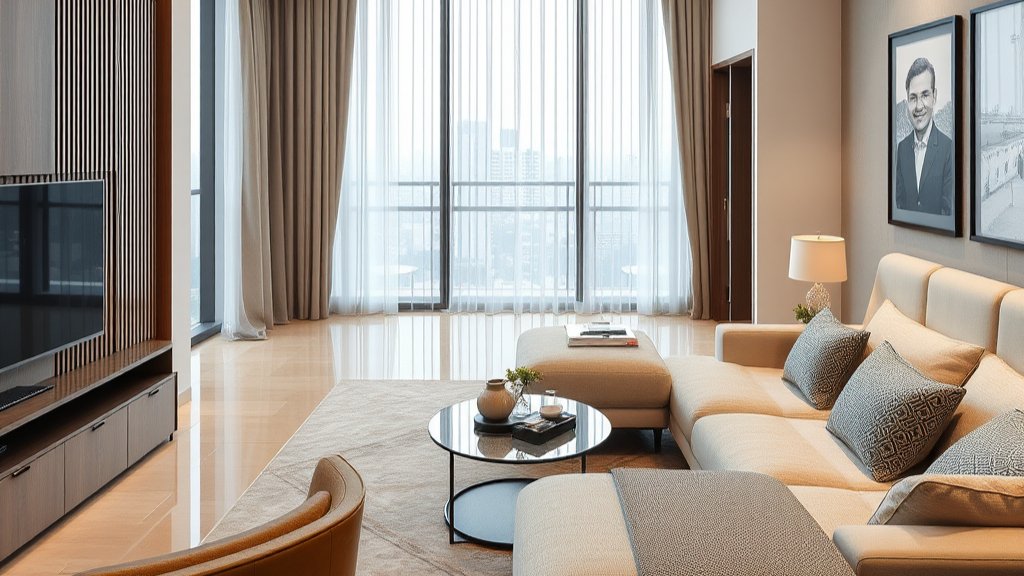
Mumbai homeowners often face unique challenges, including compact apartments, busy schedules, society regulations, and limited renovation windows. If you’re looking for a stress-free home transformation, read our Turnkey Home Interiors Mumbai guide for expert insights and practical renovation solutions.
Turnkey services address these challenges by offering a streamlined process.
Key Benefits
- Single point of contact
- Better coordination
- Faster project completion
- Transparent project management
- Consistent design quality
- Reduced homeowner involvement
- Better vendor management
- Simplified budgeting
This allows homeowners to focus on decisions rather than daily site coordination.
How a Turnkey Interior Project Works
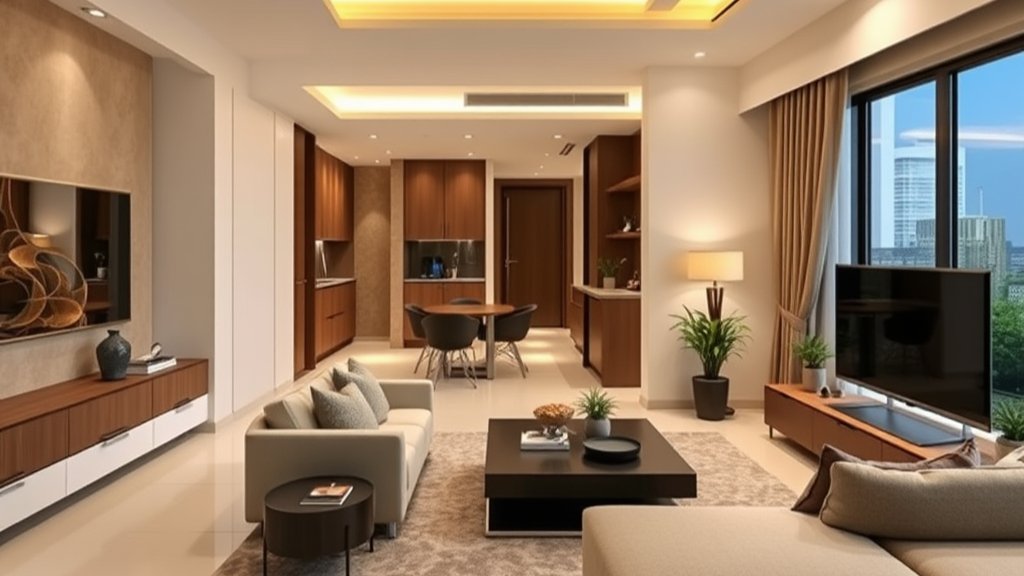
Most turnkey projects follow a structured process.
Step 1: Initial Consultation
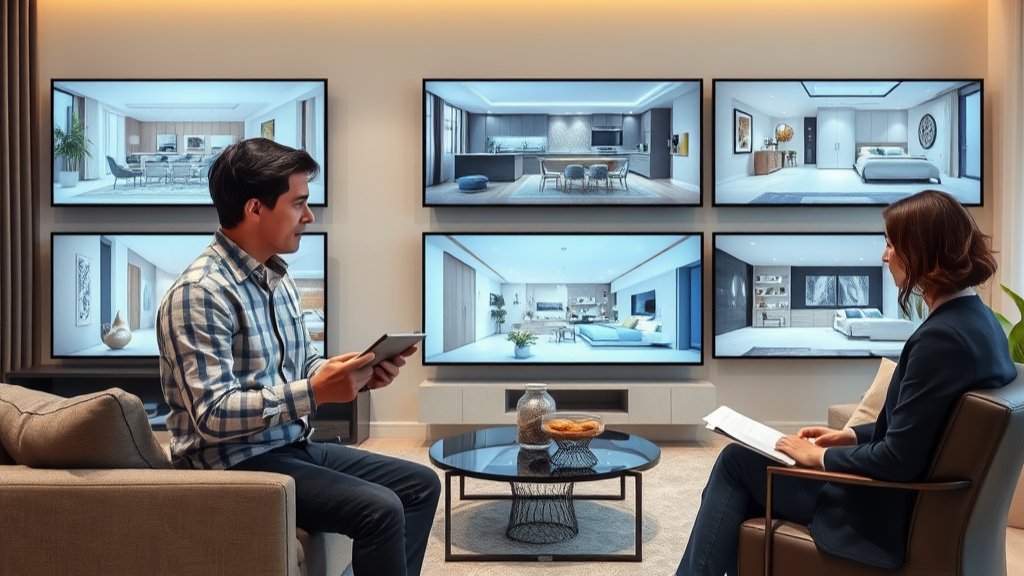
The designer discusses:
- Lifestyle requirements
- Family size
- Budget
- Design preferences
- Timeline
- Functional needs
A detailed understanding of your requirements forms the foundation of the project.
Step 2: Site Visit & Measurements

The project team visits the property to:
- Take accurate measurements
- Evaluate existing conditions
- Identify structural limitations
- Review electrical and plumbing points
Precise measurements reduce execution errors later.


Step 3: Space Planning
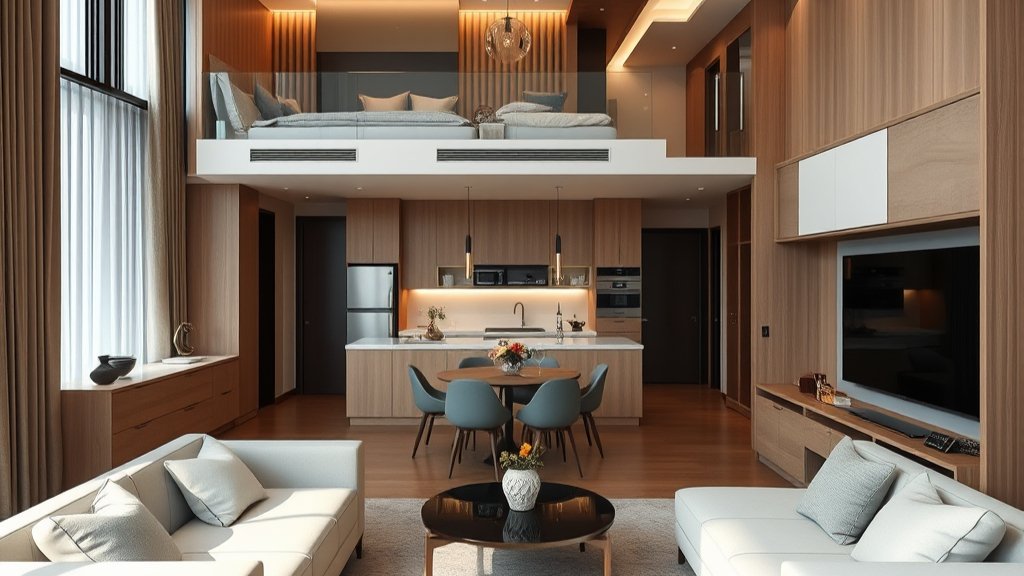

Designers prepare layout options that optimize:
- Furniture placement
- Circulation
- Storage
- Lighting
- Ventilation
- Functionality
Several revisions may be made before final approval.
Step 4: 3D Design & Visualization
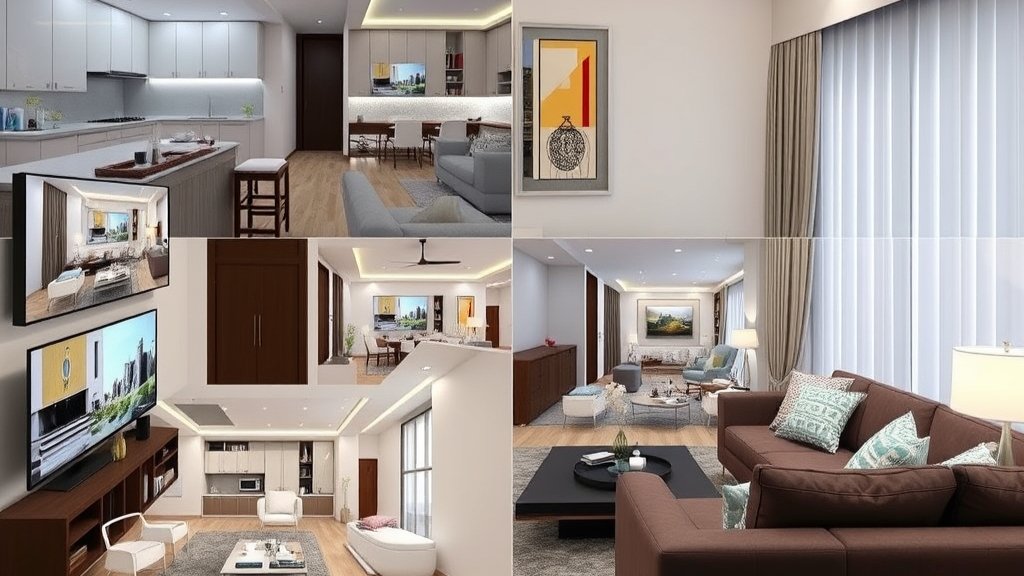
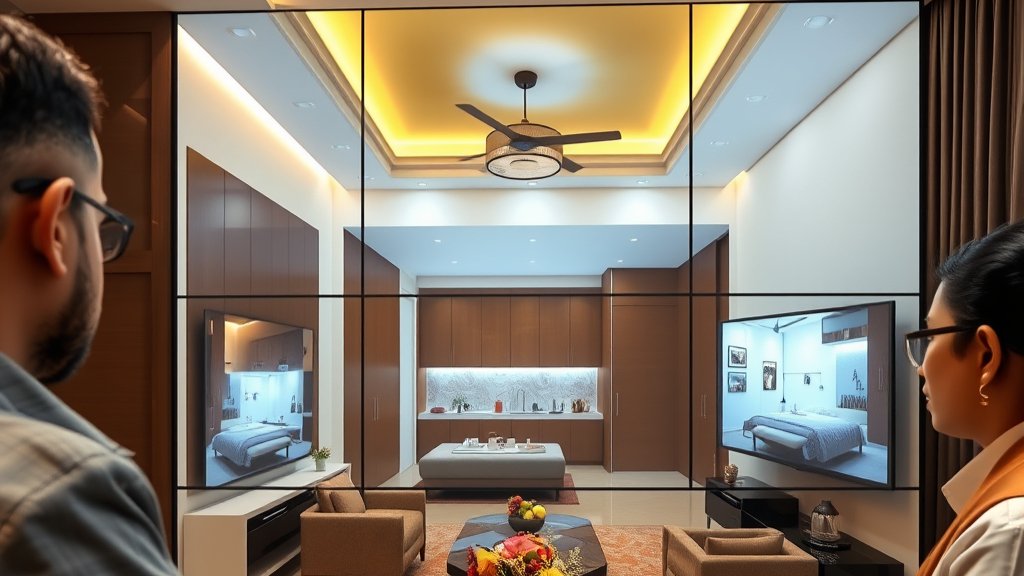
High-quality 3D renderings help homeowners visualize the finished home before execution begins.
These designs include:
- Living room
- Kitchen
- Bedrooms
- Bathrooms
- Dining area
- Wardrobes
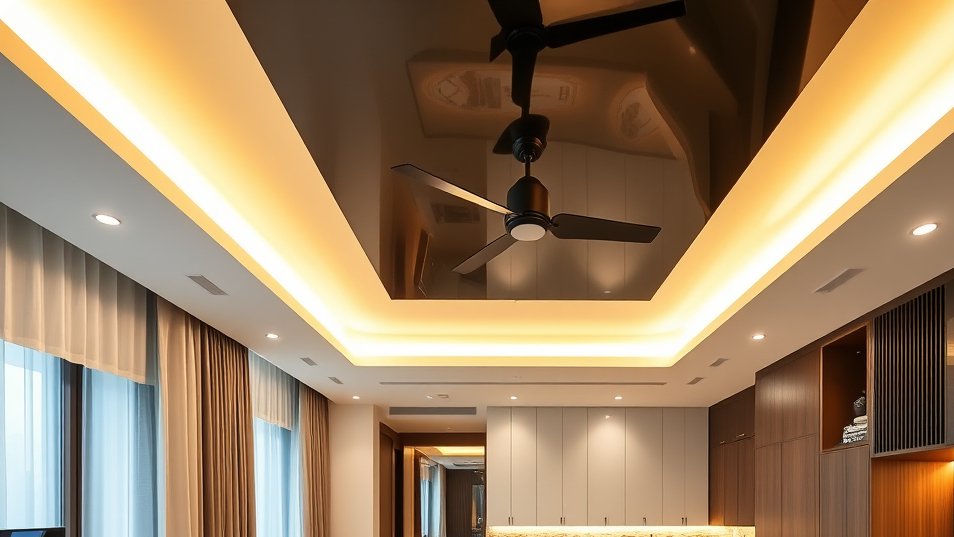
- False ceiling
- Lighting
Reviewing the design at this stage makes changes easier and more cost-effective. Our Modular Home Interiors Mumbai guide showcases modular kitchens, wardrobes, storage solutions, and space-efficient layouts to help you finalize the most practical design before execution.
Benefits of Turnkey Interior Design Services
- Single Point of Responsibility
Instead of coordinating multiple contractors, you communicate with one project manager who oversees the entire project.
- Better Time Management
Because design, procurement, manufacturing, and execution are coordinated under one company, scheduling is generally more efficient.
- Consistent Design Quality
A single team manages every aspect of the project, helping maintain consistency in materials, finishes, and workmanship throughout the home.
Expert Tip
The biggest advantage of a turnkey interior project is coordination. When one experienced team manages design, procurement, manufacturing, and installation, communication is streamlined, and accountability is clearer. Before signing a contract, make sure the scope of work, material specifications, timelines, and payment milestones are documented in detail to ensure a smooth project from concept to completion.
Complete Turnkey Interior Design Process
A professionally managed turnkey interior project follows a structured workflow that minimizes delays, controls costs, and ensures consistent quality.
Step 5: Material Selection
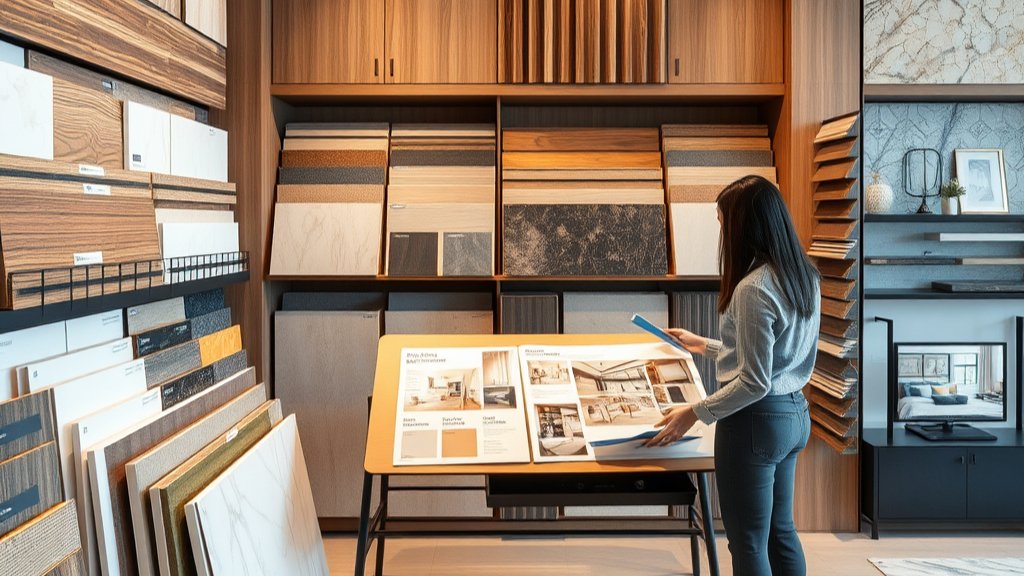
Once the layout and 3D designs are approved, the design team helps you select finishes and materials that align with your budget, style, and maintenance preferences.
Typical Selections Include
- Laminates and veneers
- Plywood grades
- Flooring materials
- Paint colors
- Wallpaper
- Quartz or granite countertops
- Bathroom fittings
- Door hardware
- Lighting fixtures
- Curtains and blinds
Most turnkey companies provide physical samples or showroom visits before final approval.
Step 6: Working Drawings
Before execution begins, detailed technical drawings are prepared for every contractor involved.
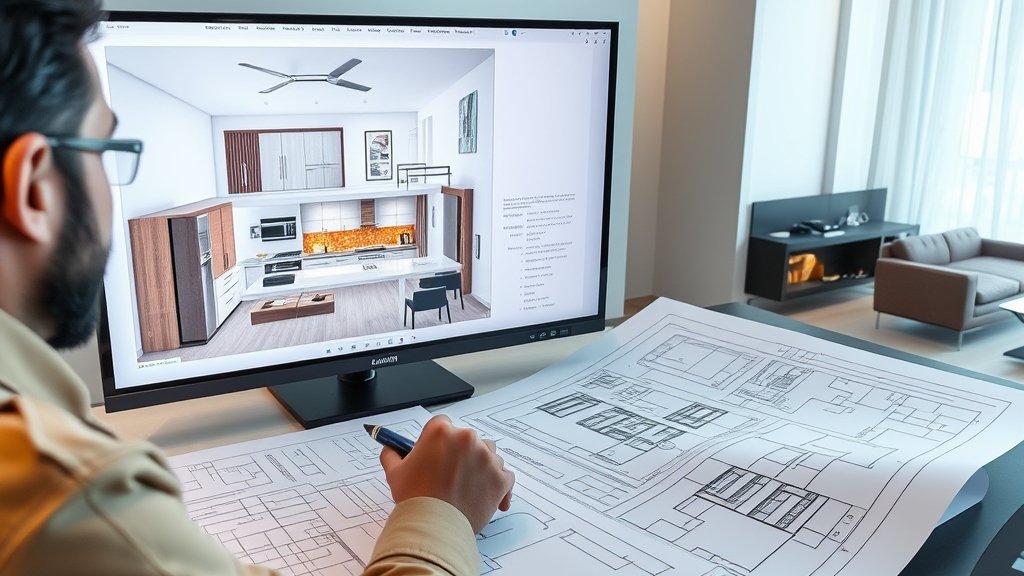
These Usually Include
- Furniture drawings
- Electrical layouts
- Lighting plans
- False ceiling drawings
- Plumbing layouts
- Flooring layouts
- Tile layouts
- Elevation drawings
Accurate drawings reduce execution errors and improve coordination on site.
Step 7: Factory Manufacturing
One of the biggest advantages of turnkey interiors is factory-made modular furniture. Our Interior Design Cost Mumbai guide explains how modular furniture, material selection, customization, and execution influence the overall cost of home interiors.

Furniture Commonly Manufactured
- Modular kitchen
- Wardrobes
- TV units
- Crockery units
- Study tables
- Vanity units
- Shoe cabinets
- Storage furniture
Factory production typically offers:
- Better finish quality
- Faster installation
- Greater dimensional accuracy
- Reduced on-site dust and noise
Step 8: Site Execution
After manufacturing begins, site preparation starts simultaneously.

Execution Includes
- Civil modifications (where required)
- Electrical work
- Plumbing adjustments
- False ceiling installation
- Wall preparation
- Painting
- Flooring
- Lighting installation
Coordinating these activities together helps shorten the overall project timeline. If you’re looking for a hassle-free renovation experience, read our Turnkey Renovation Services guide to understand how professionally managed projects are completed on time.
Step 9: Furniture Installation
Once site preparation is complete, modular furniture is installed.
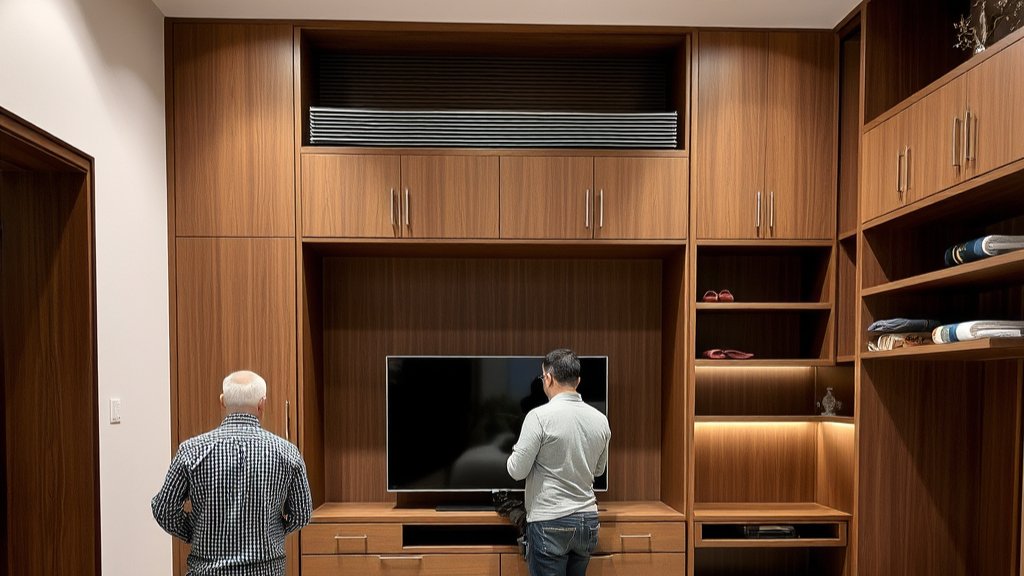
Installation generally includes:
- Kitchen cabinets
- Wardrobes
- TV unit
- Storage units
- Bedroom furniture
- Bathroom vanities
- Decorative panels
Professional installation ensures proper alignment and long-term durability.
Step 10: Final Inspection & Handover
Before project completion, the interior company conducts quality inspections. Reputable Residential Interior Designers Mumbai also perform final walkthroughs to ensure every detail meets quality standards before handover.

Final Checks Include
- Furniture alignment
- Drawer operation
- Door functionality
- Electrical testing
- Plumbing inspection
- Paint touch-ups
- Cleaning
- Snag rectification
Only after these checks is the project formally handed over to the homeowner.
Turnkey Interior Design Cost in Mumbai
The total cost depends on apartment size, material selection, customization, and design complexity.
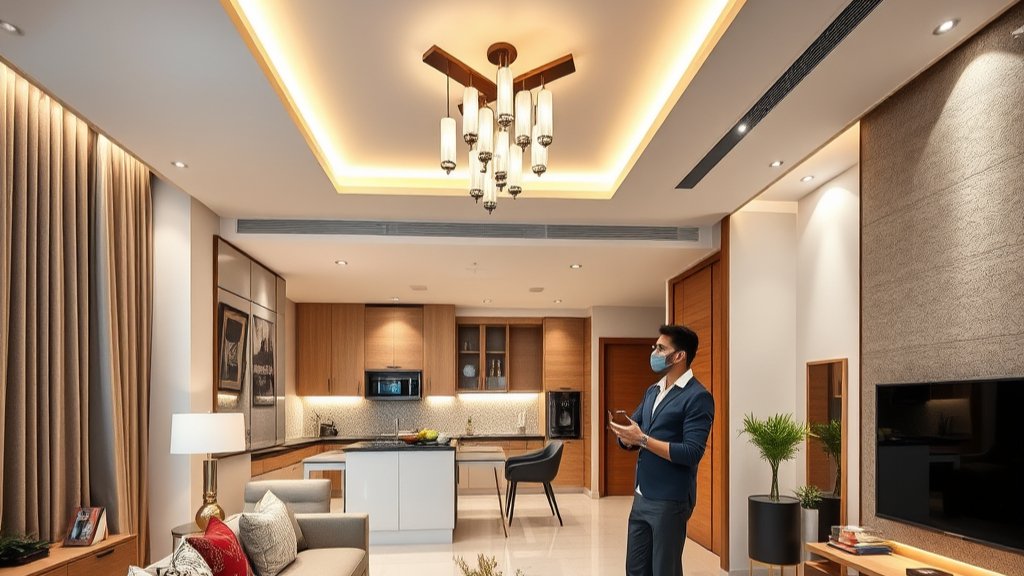
Estimated Turnkey Interior Cost
| Apartment Type | Approximate Budget |
| 1 BHK | ₹5 lakh–₹12 lakh |
| 2 BHK | ₹8 lakh–₹20 lakh |
| 3 BHK | ₹15 lakh–₹35 lakh |
| 4 BHK | ₹25 lakh–₹50 lakh |
| Luxury Apartment | ₹35 lakh–₹1 crore+ |
| Villa | ₹50 lakh–₹3 crore+ |
These estimates generally include design, modular furniture, electrical work, painting, false ceiling, lighting, and installation. Premium imported finishes and home automation systems can increase the total investment.
Turnkey Interior Cost Per Square Foot
Many companies estimate budgets based on carpet area.

| Package | Approximate Cost per Sq. Ft. |
| Basic | ₹1,500–₹2,200 |
| Standard | ₹2,200–₹3,200 |
| Premium | ₹3,200–₹5,000 |
| Luxury | ₹5,000–₹8,000+ |
The exact price depends on the specification of materials, level of customization, and included services.
Room-Wise Scope of Work
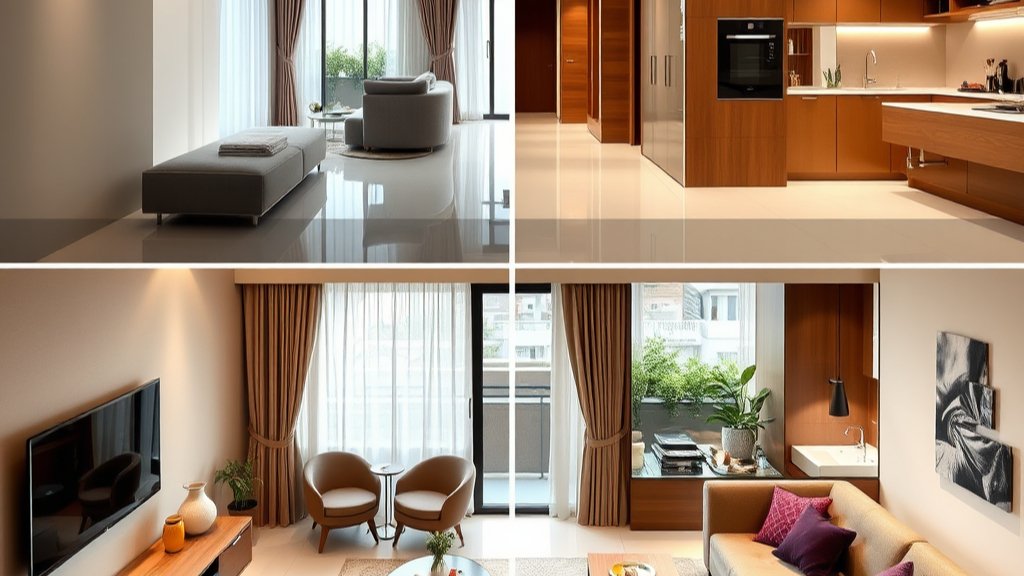
Living Room
Typical inclusions:
- TV unit
- Feature wall
- False ceiling
- Lighting
- Storage
- Paint or wallpaper
- Decorative shelving
Modular Kitchen
Usually includes:
- Base cabinets
- Wall cabinets
- Tall pantry unit
- Quartz countertop
- Backsplash
- Sink installation
- Soft-close hardware
- Under-cabinet lighting
Bedrooms
Most turnkey packages provide:
- Wardrobes
- Bed with storage
- Bedside tables
- Dressing unit
- Study table (if required)
- False ceiling
- Decorative wall treatment
Bathrooms
Work may include:
- Vanity units
- Mirror installation
- Storage cabinets
- Shower partitions
- Plumbing fixture upgrades
- Accessories
Popular Materials Used in Turnkey Projects
Choosing durable materials improves the lifespan of your interiors.
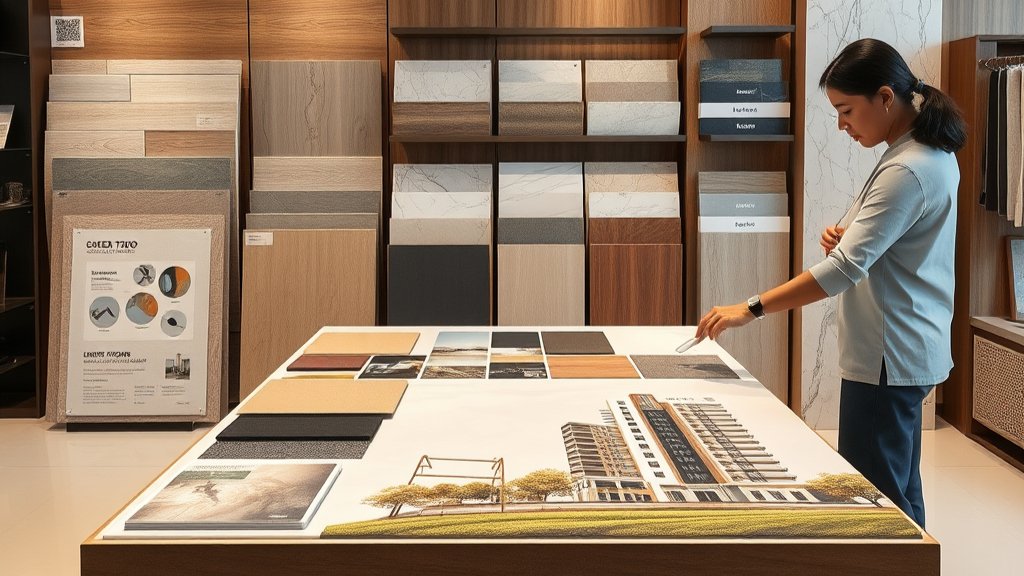
| Component | Common Material |
| Kitchen Cabinets | BWP plywood + laminate |
| Wardrobes | BWR plywood + laminate/veneer |
| Countertops | Quartz or granite |
| Flooring | Vitrified or porcelain tiles |
| False Ceiling | Gypsum |
| Wall Finish | Acrylic emulsion or texture paint |
| Hardware | Soft-close hinges and drawer channels |
For Mumbai’s coastal climate, moisture-resistant materials are often preferred in kitchens, bathrooms, and utility areas.
Typical Turnkey Project Timeline
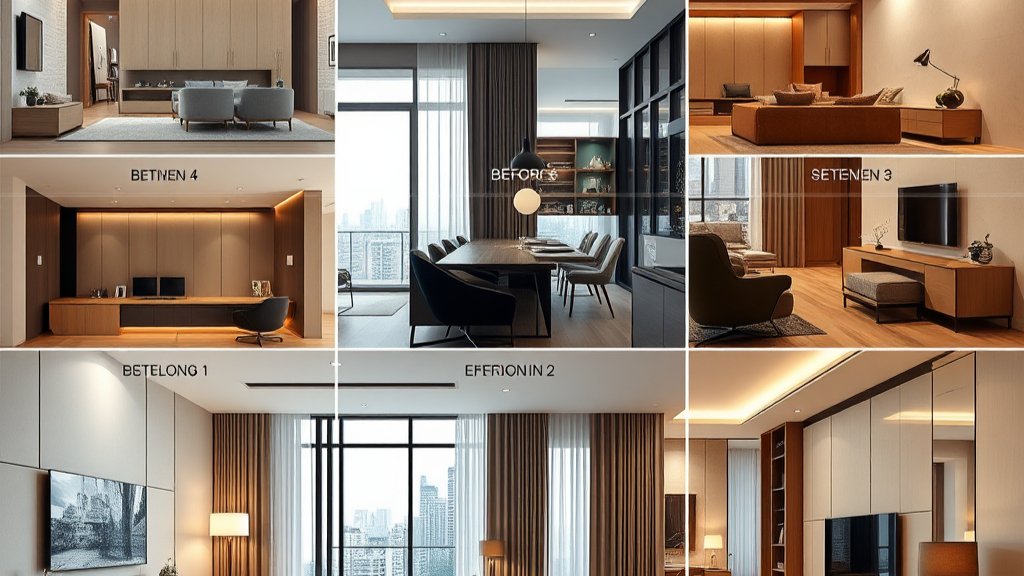
| Project Stage | Estimated Duration |
| Consultation & Design | 2–3 weeks |
| Design Approval | 1–2 weeks |
| Material Procurement | 2–4 weeks |
| Furniture Manufacturing | 3–6 weeks |
| Site Preparation | 3–5 weeks |
| Installation | 2–3 weeks |
| Final Inspection & Handover | 3–7 days |
Most residential turnkey projects are completed within 8–16 weeks, depending on apartment size and customization.
Expert Tip
Ask your turnkey interior company for a detailed Bill of Quantities (BOQ), material specification sheet, and milestone-based execution schedule before work begins. These documents improve transparency, help you compare proposals accurately, and reduce the likelihood of unexpected costs during the project.
Advantages of Turnkey Interior Design Services
Turnkey interiors have become the preferred choice for many homeowners because they simplify the entire renovation process. Instead of coordinating multiple contractors, vendors, and suppliers, you work with one experienced team responsible for the project from start to finish. If you’re planning a hassle-free home renovation, read our End-to-End Interior Design Services guide for expert insights and practical advice.
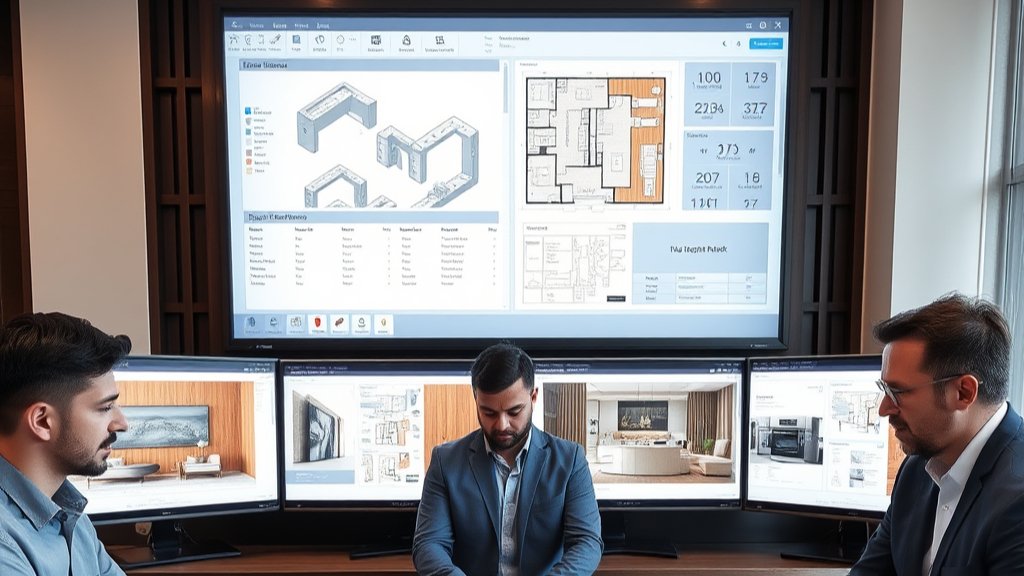
- Single Point of Contact
One of the biggest benefits of a turnkey project is simplified communication.
Instead of speaking separately with:
- Carpenter
- Electrician
- Plumber
- Painter
- Furniture supplier
- False ceiling contractor
you communicate with one project manager.
Benefits
- Faster decision-making
- Better accountability
- Reduced confusion
- Easier progress tracking
- Better Project Coordination
Interior work involves many activities that must happen in the correct sequence.
Examples include:
- Electrical work before false ceiling
- Painting before furniture installation
- Flooring before modular kitchen installation
- Lighting after ceiling completion
A turnkey company coordinates every stage, reducing delays caused by poor scheduling.
- Consistent Design Quality
Since one design team controls the project, there is greater consistency in:
- Colors
- Materials
- Furniture
- Lighting
- Hardware
- Finishes
This creates a more cohesive home compared with projects managed by multiple independent contractors.
- Better Budget Control
Professional turnkey companies prepare detailed budgets before work begins.
These generally include:
- Material costs
- Labour
- Furniture
- Installation
- Project management
- Contingency items
Transparent budgeting helps homeowners make informed decisions throughout the project.
- Time Savings
Managing a renovation independently often requires frequent site visits and coordination between different vendors.
Turnkey execution reduces the homeowner’s day-to-day involvement while keeping the project moving according to schedule.
Possible Limitations of Turnkey Projects
Although turnkey services offer many advantages, homeowners should understand a few considerations.
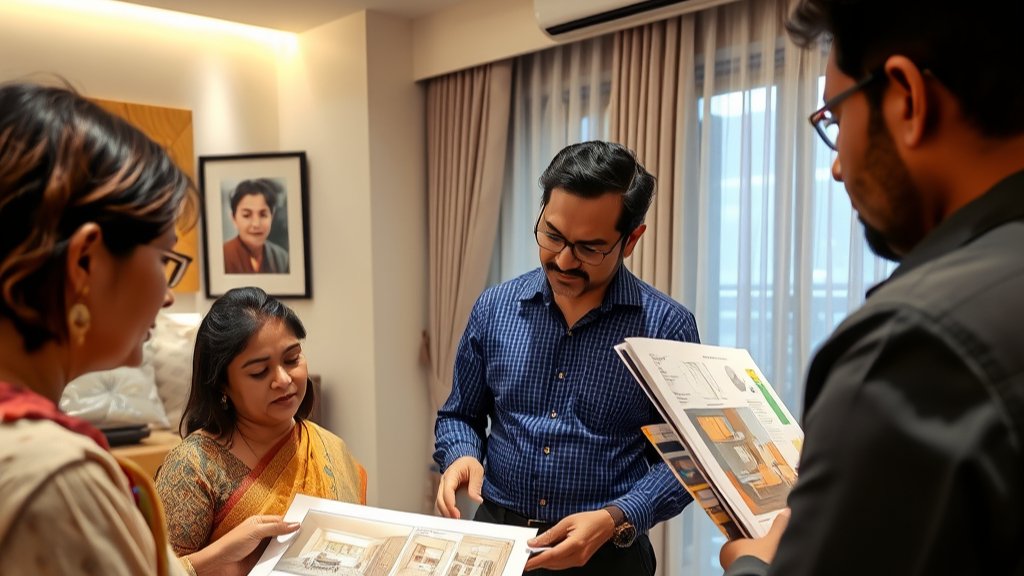
Potential Challenges
- Limited flexibility once manufacturing begins
- Design changes during execution can increase costs
- Premium turnkey services may require a higher initial investment
- Project quality depends heavily on the experience of the chosen company
Careful planning and choosing a reputable provider help minimize these challenges.
How to Compare Turnkey Interior Companies
Selecting the right company is one of the most important decisions in your renovation journey. To understand how successful renovations are planned and executed, explore our Home Interior Project Management guide.
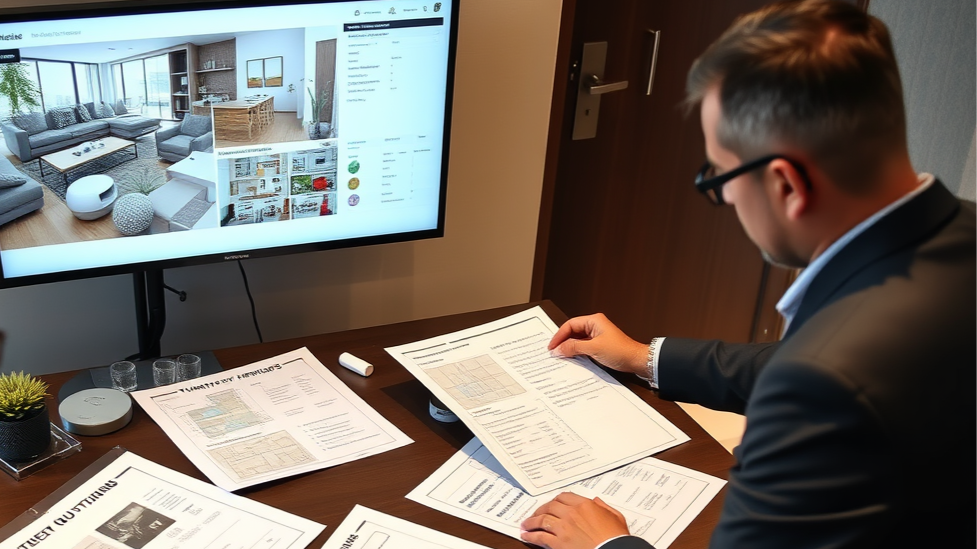
Compare More Than Price
Evaluate:
- Portfolio
- Years of experience
- Residential expertise
- Material quality
- Factory manufacturing capabilities
- Project management process
- Warranty
- Customer reviews
The lowest quotation does not always provide the best long-term value.
Review Their Portfolio
Look for projects similar to yours.
Pay attention to:
- Space planning
- Storage solutions
- Kitchen layouts
- Bedroom furniture
- Finishing quality
- Lighting
- Material selection
A portfolio should demonstrate both creativity and practical functionality.
Ask About Manufacturing
Many professional turnkey companies manufacture modular furniture in dedicated factories.
Factory manufacturing generally offers:
- Better finishing
- Improved precision
- Faster installation
- Greater quality control
Ask whether furniture is manufactured in-house or outsourced.
Understand the Warranty
Clarify warranty coverage before signing a contract.
Typical warranty areas include:
- Modular furniture
- Hardware
- Workmanship
- Manufacturer warranties for appliances and fittings
Request warranty details in writing.
Common Mistakes Homeowners Make
Avoid these common mistakes when planning a turnkey project.
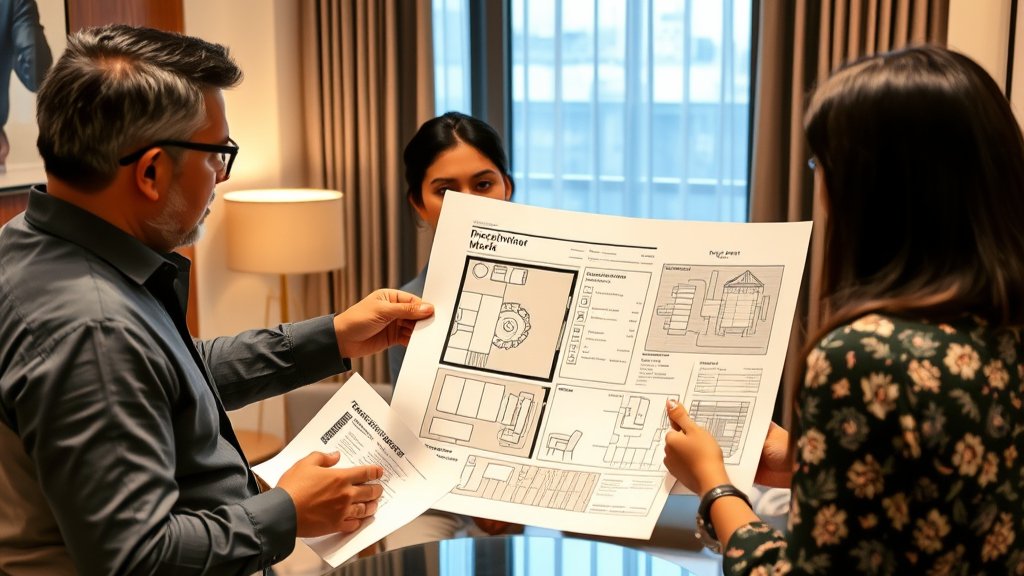
- Making Frequent Design Changes
Changes after manufacturing begins can:
- Delay the project
- Increase costs
- Affect material availability
Finalize layouts and finishes before production starts whenever possible.
- Choosing Only on Cost
A significantly lower quotation may exclude:
- Site supervision
- Premium hardware
- Painting
- Electrical fixtures
- Installation
- Warranty
Always compare the complete scope of work.
- Ignoring Material Specifications
Don’t assume all laminates, plywood, or hardware are identical.
Request detailed specifications for:
- Plywood grade
- Laminate brand
- Hardware brand
- Countertop material
- Paint
- Flooring
Material quality has a major impact on durability.
- Skipping Site Visits
Even with a turnkey service, periodic site visits help ensure that the project matches approved designs and material selections.
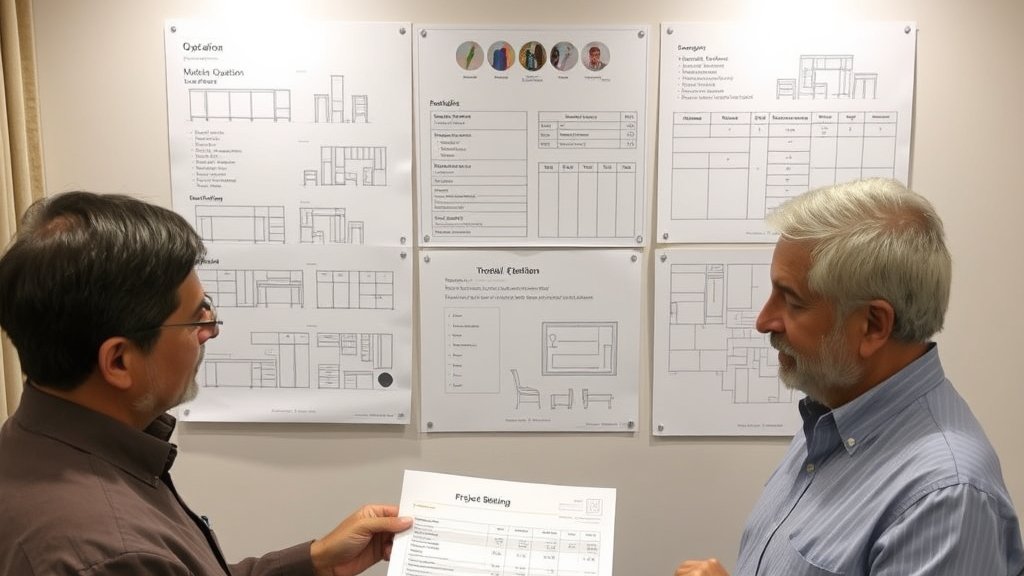
Recommended Payment Schedule
Professional companies generally follow milestone-based payments.
| Project Stage | Typical Payment |
| Booking & Design | 10–15% |
| Design Approval | 20–25% |
| Material Procurement | 20–30% |
| Manufacturing | 20–25% |
| Installation | 10–15% |
| Final Handover | Remaining Balance |
Avoid paying the entire project amount before execution begins.
Turnkey Interior Project Execution Checklist
Once the design phase is complete, the execution stage begins. A structured project plan helps ensure the work progresses efficiently while maintaining quality standards.

Pre-Execution Checklist
Before work starts, confirm that you have approved:
- Final furniture layouts
- 3D designs
- Material samples
- Color palette
- Lighting plan
- Electrical layout
- Plumbing layout (if required)
- Budget estimate
- Project timeline
- Scope of work
Making changes after this stage can affect both costs and delivery schedules.
Material Procurement
Professional turnkey companies usually begin procurement immediately after design approval.

Materials Commonly Ordered
- Plywood
- Laminates
- Veneers
- Hardware
- Lighting fixtures
- Electrical accessories
- Tiles
- Paint
- Countertops
- Glass
Ordering materials early helps avoid delays caused by stock shortages or long delivery times.
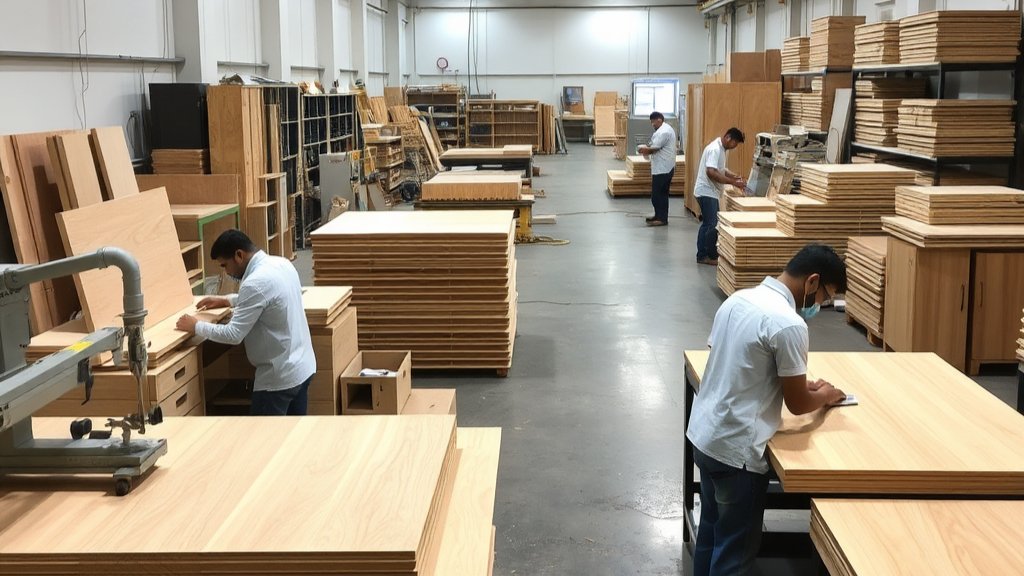
Factory Manufacturing Process
Modular furniture is typically manufactured in a controlled factory environment before being transported to the site.
Common Factory-Made Items
- Kitchen cabinets
- Wardrobes
- TV units
- Study tables
- Shoe cabinets
- Bathroom vanities
- Crockery units
Factory production generally provides:
- Consistent quality
- Precision cutting
- Better finishing
- Faster installation
Site Execution Stages
Execution usually follows a sequence to ensure each trade can complete its work efficiently. To understand how professional projects are planned and executed, explore our Apartment Interior Design Mumbai guide.
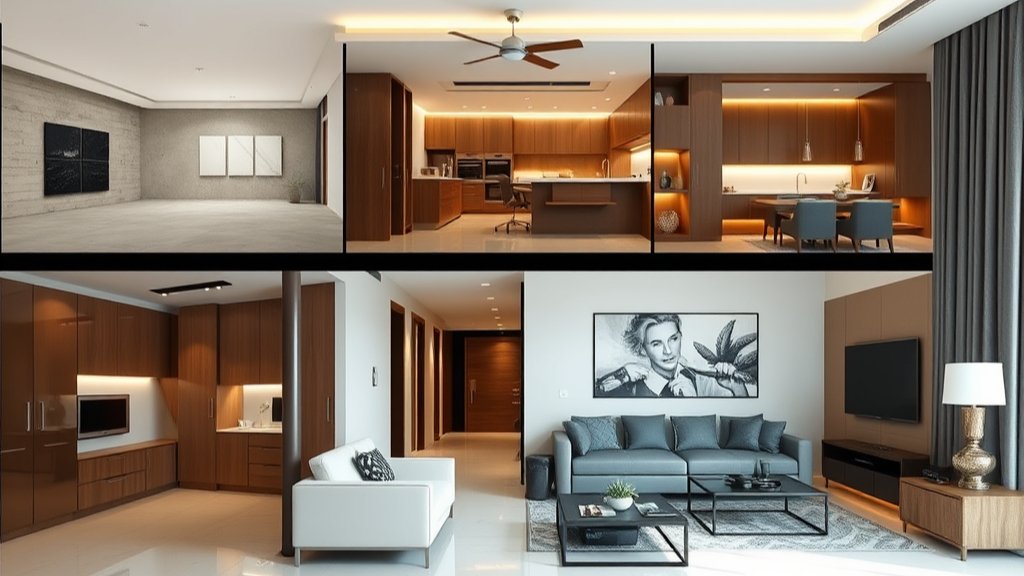
Typical Order of Work
- Civil modifications (if required)
- Electrical wiring
- Plumbing adjustments
- False ceiling installation
- Wall preparation and painting
- Flooring
- Modular furniture installation
- Countertop installation
- Lighting and electrical fixtures
- Final finishing
Following the correct sequence reduces rework and helps maintain quality.
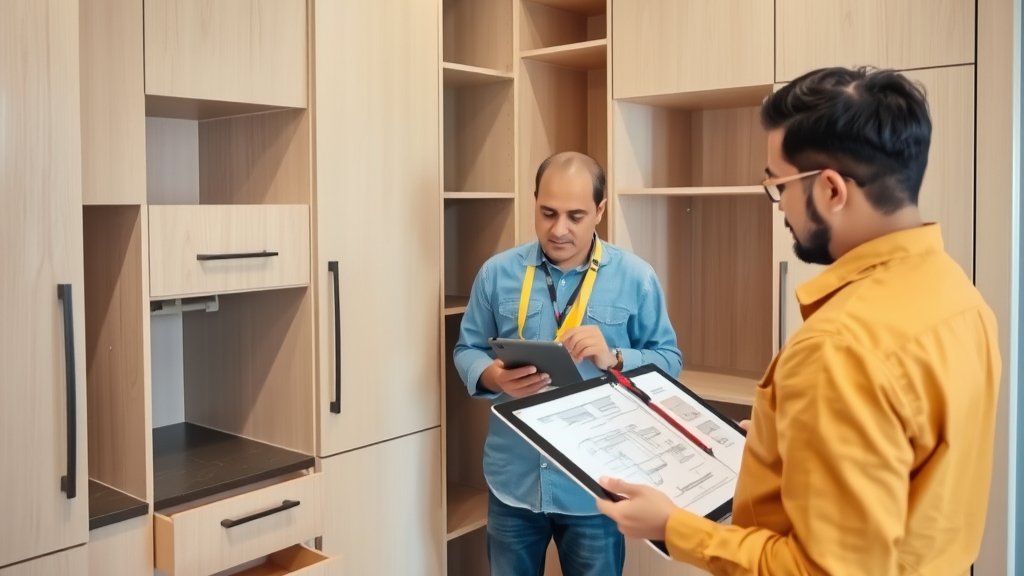
Quality Inspection Guide
Before accepting the completed project, inspect every area carefully.
Living Room
Check:
- TV unit alignment
- Drawer operation
- Feature wall finishing
- Paint quality
- Lighting functionality
Kitchen
Inspect:
- Cabinet alignment
- Soft-close mechanisms
- Countertop joints
- Sink installation
- Plumbing connections
- Backsplash finishing
Bedrooms
Verify:
- Wardrobe doors
- Sliding systems
- Storage compartments
- Bed alignment
- Dressing units
- Hardware functionality
Bathrooms
Confirm:
- Water pressure
- Drainage
- Vanity installation
- Mirror alignment
- Shower partition sealing
- Accessory fittings
Electrical Inspection
Test:
- Switches
- Power sockets
- Ceiling lights
- Decorative lighting
- Exhaust fans
- Appliances
- Internet points (where applicable)
Every electrical point should be checked before final handover.
Role of Site Supervision
Professional supervision helps maintain quality throughout the project.

A Site Supervisor Typically
- Monitors workmanship
- Coordinates contractors
- Verifies measurements
- Tracks project milestones
- Resolves on-site issues
- Conducts quality inspections
- Reports project progress
Regular supervision reduces errors and keeps the project aligned with the approved design.
Homeowner Preparation Checklist
To ensure a smooth installation process:

Before Installation
- Confirm building permissions (if required)
- Inform the housing society of renovation schedules
- Arrange temporary storage if needed
- Protect valuable belongings
- Review installation dates
- Keep approved drawings accessible
Good preparation minimizes disruptions during execution.
Common Causes of Project Delays
Even well-planned projects may encounter delays.
Typical Reasons
- Late design approvals
- Material availability issues
- Custom furniture revisions
- Building restrictions
- Weather conditions
- Unexpected civil work
- Frequent scope changes
Making decisions promptly and maintaining regular communication with your project manager can help keep the timeline on track.
Final Handover Checklist
Before making the last payment, verify that:
- All work matches the approved design.
- Furniture is installed correctly.
- Doors and drawers operate smoothly.
- Paint touch-ups are complete.
- Plumbing and electrical systems function properly.
- Appliances have been tested.
- The site has been professionally cleaned.
- Warranty documents have been provided.
- Operation manuals (if applicable) have been handed over.
Creating a snag list and resolving all outstanding issues before occupancy ensures a smoother transition into your new home.
Professional Project Management Tips
To help your project run smoothly:
- Schedule regular progress reviews with your project manager.
- Request weekly updates and site photographs.
- Approve materials before fabrication.
- Keep written records of design changes.
- Review project milestones against the agreed timeline.
- Inspect furniture before installation whenever possible.
- Maintain a contingency budget for unforeseen requirements.
These practices improve transparency and help maintain quality throughout the project.
Expert Tip
Successful turnkey interior projects rely on preparation, communication, and quality control. Stay involved at key milestones, review material samples carefully, and inspect the project thoroughly before handover. A proactive approach helps ensure your finished home matches the approved design while avoiding unnecessary delays or additional costs.
👉 Transform your home beautifully in 2026.
📞 Book a free consultation
💬 Get cost estimate instantly
🏠 Custom ideas for your home size
📝 Conclusion
Turnkey interior design services offer a practical and efficient way to transform a home without the stress of managing multiple contractors and suppliers. By combining design, procurement, manufacturing, execution, and project management under one roof, homeowners benefit from better coordination, consistent quality, and a smoother renovation experience. For premium design inspiration, explore our Luxury Home Interiors Mumbai.
Whether you’re designing a compact apartment, renovating a family home, or creating a luxury residence in Mumbai, choosing the right turnkey interior company can save time, reduce complexity, and deliver a home that reflects your lifestyle and long-term needs.
Before making your decision, compare portfolios, review detailed quotations, understand material specifications, and confirm project timelines. A well-planned turnkey project is an investment in both the beauty and functionality of your home.
Frequently Asked Questions (FAQs)
1. What are turnkey interior design services?
Turnkey interior design services are end-to-end solutions where one company manages the complete project—from design and planning to material procurement, manufacturing, installation, quality checks, and final handover. Instead of coordinating multiple vendors, you work with a single project team throughout the renovation.
2. What is included in a turnkey interior package?
Most turnkey interior packages include:
- Interior design consultation
- Site measurement
- Space planning
- 2D layouts
- 3D visualizations
- Modular furniture
- Civil work (where required)
- Electrical and plumbing coordination
- False ceiling
- Painting
- Flooring
- Lighting installation
- Site supervision
- Final cleaning
- Project handover
The exact scope may vary, so always review the detailed proposal before signing.
3. How much do turnkey interior design services cost in Mumbai?
Costs depend on apartment size, material quality, and customization.
Home Type Estimated Cost 1 BHK ₹5 lakh–₹12 lakh 2 BHK ₹8 lakh–₹20 lakh 3 BHK ₹15 lakh–₹35 lakh 4 BHK ₹25 lakh–₹50 lakh Luxury Apartment ₹35 lakh–₹1 crore+ Villa ₹50 lakh–₹3 crore+ Premium materials, imported finishes, home automation, and custom furniture can increase the total project cost.
4. How long does a turnkey interior project take?
The timeline depends on the size and complexity of the project.
Project Type Typical Timeline 1 BHK 6–8 weeks 2 BHK 8–12 weeks 3 BHK 10–16 weeks Luxury Apartment 4–6 months Villa 6–10 months Approving designs and materials early can help avoid unnecessary delays.
5. Is turnkey interior design better than hiring separate contractors?
For many homeowners, turnkey services offer several advantages:
- One point of contact
- Better coordination
- Consistent quality
- Simplified communication
- Faster execution
- Streamlined project management
Hiring separate contractors may provide greater flexibility, but it often requires more time and coordination from the homeowner.
6. Can I customize my home with a turnkey package?
Yes. Most turnkey interior companies offer customization for:
- Layout planning
- Modular furniture
- Color schemes
- Materials
- Lighting
- Wardrobes
- Kitchens
- Decorative wall treatments
The level of customization depends on your budget and the company’s service offerings.
7. What should I check before signing a turnkey contract?
Review the following carefully:
- Scope of work
- Material specifications
- Timeline
- Payment schedule
- Warranty
- Project milestones
- Exclusions
- Terms for design changes
A detailed written agreement helps avoid misunderstandings later.
8. What are the biggest advantages of turnkey interiors?
Key benefits include:
- End-to-end project management
- Better budget control
- Professional site supervision
- Consistent design execution
- Reduced homeowner involvement
- Faster project completion
- Simplified vendor coordination
These advantages are particularly valuable for busy professionals and families.
9. How can I ensure good quality during execution?
To maintain quality:
- Approve material samples before procurement.
- Request regular progress updates.
- Visit the site at major milestones.
- Review furniture before installation if possible.
- Prepare a snag list before final handover.
- Test electrical and plumbing systems thoroughly.
Staying engaged at key stages helps ensure the finished project matches the approved design.
10. Are turnkey interior services suitable for small apartments?
Yes. Turnkey solutions are suitable for apartments of all sizes, including compact 1 BHK and 2 BHK homes. Professional space planning, modular furniture, and integrated storage solutions can significantly improve functionality in smaller homes.