
How to Choose the Best Interior Designers in Mumbai for Your Dream Home (Complete Guide)
Designing your dream home is one of the most exciting and important investments you’ll make. Whether you’re furnishing a new apartment, renovating an older flat, or creating a luxury residence, the right interior designer can turn your ideas into a beautiful, functional, and personalized living space.
Mumbai offers hundreds of interior design firms, ranging from boutique studios and freelance designers to large turnkey companies. While having so many options is beneficial, it can also make choosing the right professional overwhelming.
The best interior designer isn’t necessarily the one with the biggest portfolio or the lowest quotation. Instead, it’s someone who understands your lifestyle, respects your budget, communicates clearly, and has the expertise to deliver high-quality work on time. To compare leading professionals, explore our Best Interior Designers in Mumbai guide.
This complete guide will help you evaluate designers confidently, compare proposals, understand pricing, and choose an interior designer who can bring your dream home to life.
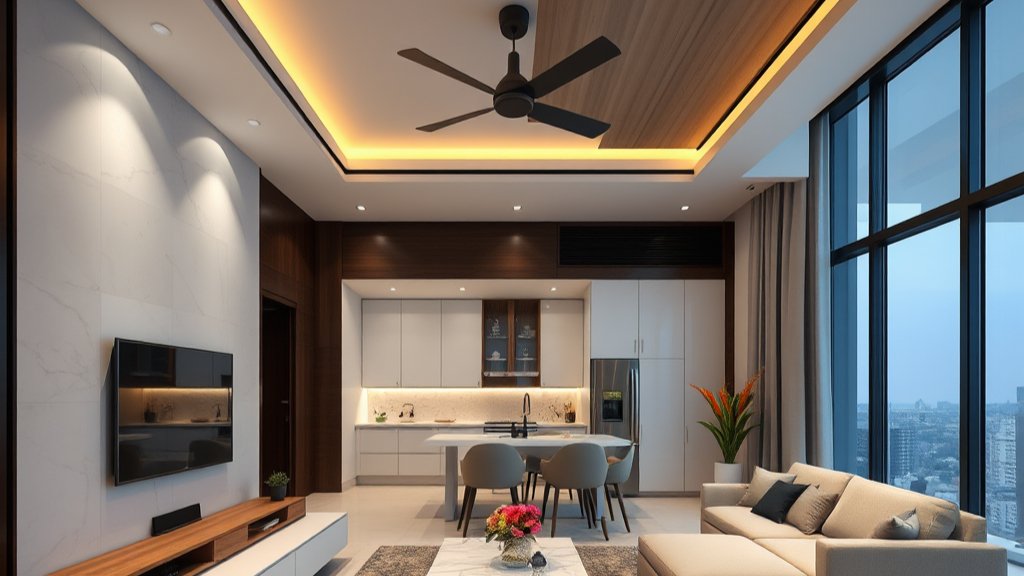
Why Hiring the Right Interior Designer Matters
Interior design is more than selecting colors and furniture. It involves planning layouts, optimizing storage, selecting materials, coordinating contractors, managing budgets, and ensuring that every element works together harmoniously.
Benefits of Hiring the Right Designer
- Maximizes available space
- Improves storage and functionality
- Creates a cohesive design style
- Saves time during execution
- Prevents costly design mistakes
- Manages vendors and contractors
- Improves property value
- Delivers a stress-free renovation experience
An experienced designer helps transform your vision into a practical home tailored to your daily lifestyle. To find the right professionals for your project, explore our Home Interior Designers Mumbai guide.
Benefits of Working with a Professional Interior Designer
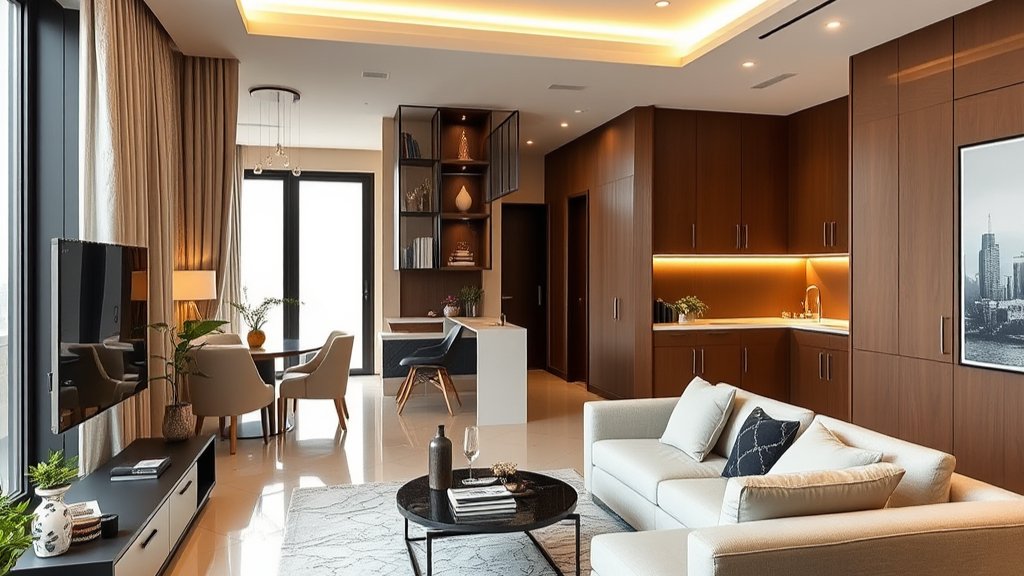
- Personalized Design Solutions
Every family has different needs. A professional designer develops customized layouts based on:
- Family size
- Lifestyle
- Storage requirements
- Budget
- Design preferences
- Future needs
Personalized planning creates a home that is both beautiful and practical.
- Better Space Utilization
Space is valuable in Mumbai apartments.
Interior designers maximize every square foot through:
- Modular furniture
- Built-in wardrobes
- Multi-purpose storage
- Efficient room layouts
- Smart furniture placement
Good planning can make compact homes feel significantly larger.
- Professional Material Selection
Designers help you choose materials that balance aesthetics, durability, and maintenance.
Examples include:
- Laminates
- Veneers
- Quartz countertops
- Engineered wood
- Vitrified tiles
- Premium hardware
- Moisture-resistant plywood
Their experience helps avoid costly material selection mistakes.
- Budget Management
Professional designers prepare detailed cost estimates and recommend solutions that maximize value without compromising quality.
They also help prioritize spending on elements that have the greatest impact on daily living.
Types of Interior Designers in Mumbai
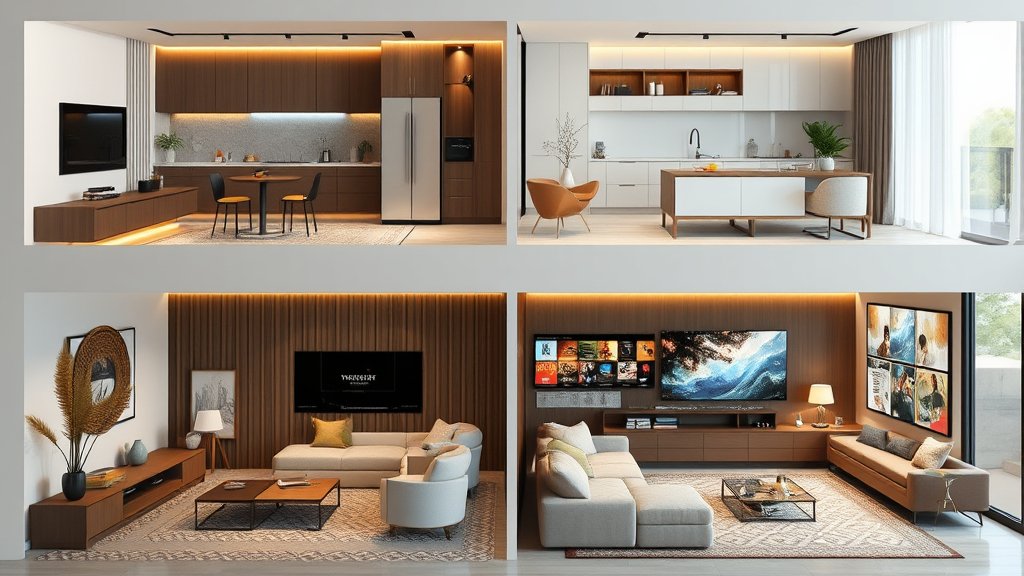
Understanding the different types of professionals can help you choose the right one.
| Designer Type | Best For |
| Freelance Interior Designer | Small apartments & renovations |
| Boutique Design Studio | Customized premium homes |
| Turnkey Interior Company | End-to-end project execution |
| Luxury Interior Design Firm | High-end residences |
| Design & Build Company | Large renovation projects |
Each option offers different levels of involvement, pricing, and project management.
Step 1: Define Your Interior Design Requirements
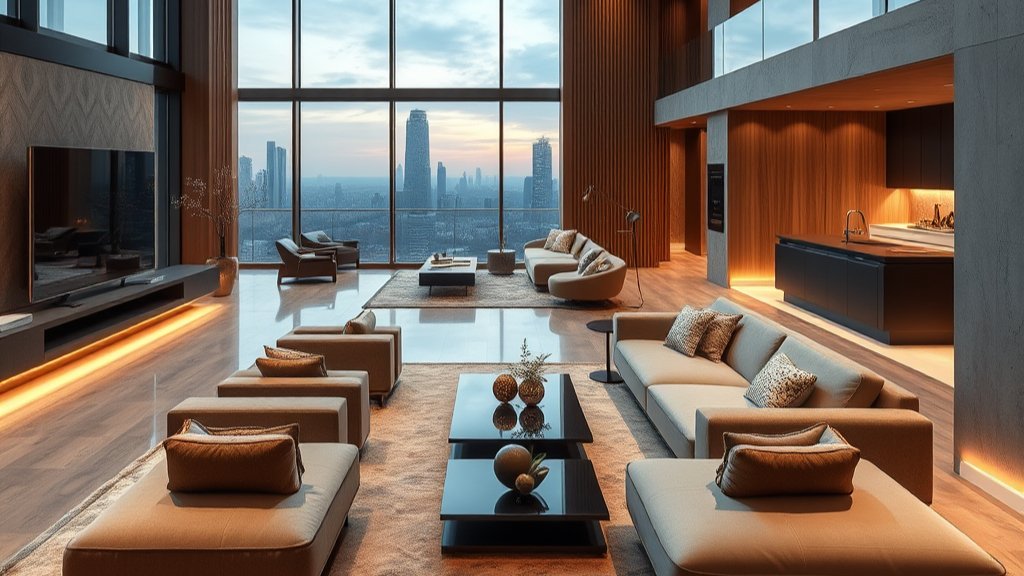
Before contacting designers, prepare a clear project brief.
Identify
- Apartment size (1 BHK, 2 BHK, 3 BHK, villa)
- Budget range
- Preferred design style
- Storage requirements
- Timeline
- Family needs
- Smart home features
- Renovation or new interiors
A detailed brief helps designers provide accurate proposals and realistic timelines.

Step 2: Review Their Portfolio Carefully
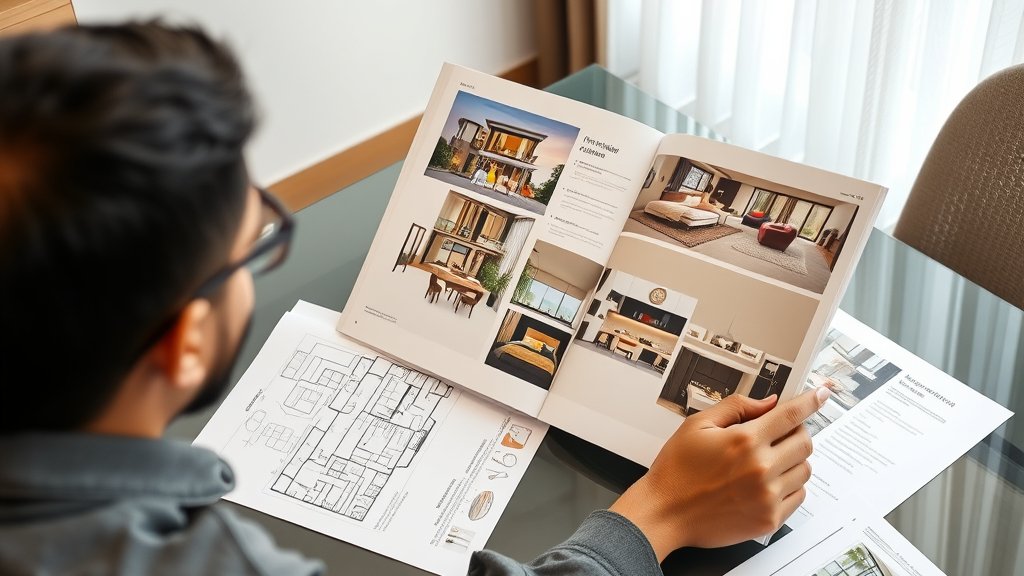

A portfolio demonstrates a designer’s creativity, technical ability, and experience.
Evaluate
- Living room designs
- Modular kitchens
- Bedroom interiors
- Wardrobe solutions
- Bathroom designs
- False ceiling work
- Lighting concepts
- Material quality
Look beyond aesthetics—pay attention to functionality, storage solutions, and execution quality.
Step 3: Verify Residential Experience

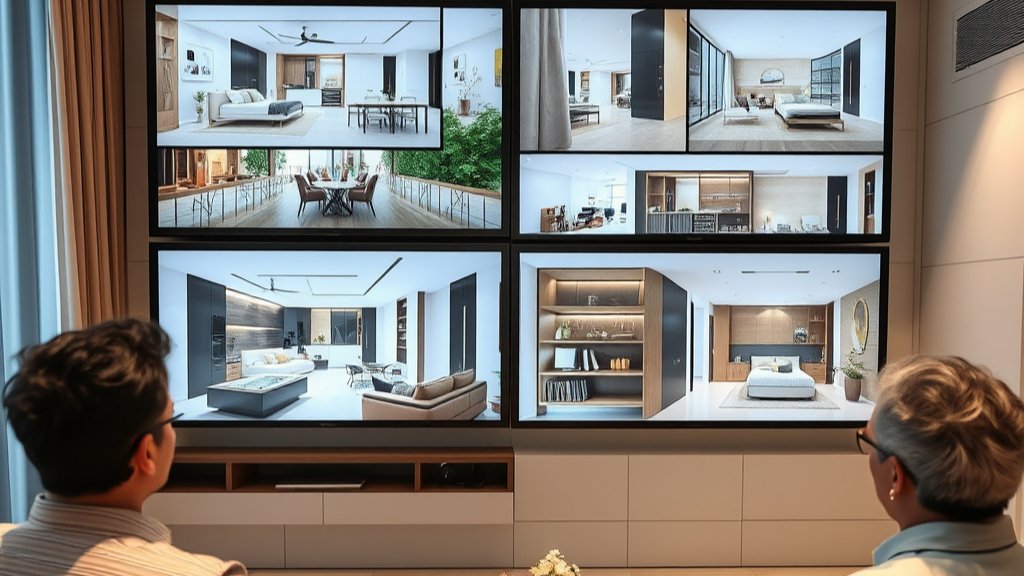
Residential interiors differ significantly from commercial projects.
Choose designers with experience in:
- Apartments
- Villas
- Luxury homes
- Compact urban homes
- Renovation projects
- Modular interiors
Relevant residential expertise often leads to smoother execution and better design outcomes. To learn how to choose the right professionals, explore our Residential Interior Designers Mumbai guide.
Expert Tip
Don’t select an interior designer based only on beautiful 3D renders or social media posts. Review completed projects, ask detailed questions about materials and execution, and ensure the designer understands your lifestyle, budget, and long-term needs. A successful home is built on thoughtful planning as much as attractive design.
Step 4: Check Client Reviews and Testimonials

A designer’s portfolio shows what they can create, but client reviews reveal what it’s actually like to work with them.
Where to Look
- Google Reviews
- Social media pages
- Houzz profiles
- Company website testimonials
- Independent review platforms
- Personal referrals from family and friends
Pay Attention To
- Communication quality
- Timely project completion
- Budget transparency
- Problem-solving approach
- After-sales support
- Overall customer satisfaction
Look for consistent patterns across multiple reviews rather than relying on a single rating.
Step 5: Understand Their Design Process

Professional interior designers usually follow a structured workflow that keeps projects organized and minimizes delays.
A Typical Design Process Includes
- Initial consultation
- Site visit and measurements
- Requirement analysis
- Space planning
- Mood boards and concept design
- 3D visualizations
- Material selection
- Cost estimation
- Working drawings
- Project execution
- Site supervision
- Final handover
A clear process gives you confidence that every stage of the project has been carefully planned. If you’re starting a home renovation, read our Interior Design Consultation Mumbai guide to learn how expert planning lays the foundation for a smooth and successful project.
Step 6: Compare Detailed Quotations
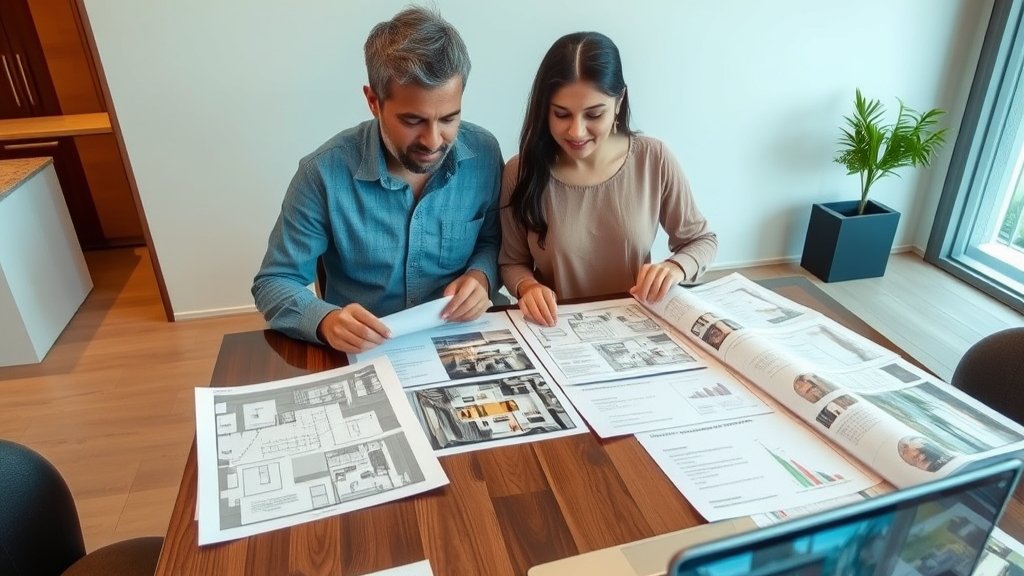
Many homeowners make the mistake of choosing the lowest quotation without understanding what’s included. Our Turnkey Interior Designers Mumbai guide explains how to compare quotations, evaluate inclusions, and choose an end-to-end interior solution that delivers better long-term value.
A Good Quotation Should Clearly Mention
- Scope of work
- Design fees
- Material specifications
- Furniture details
- Electrical work
- Plumbing (if applicable)
- False ceiling
- Painting
- Hardware brands
- Timeline
- Payment schedule
- Warranty
- Exclusions
Always compare quotations on the basis of value—not just price.
Step 7: Visit Completed Projects

Whenever possible, ask to visit a completed project or request recent project photographs and videos.
Observe
- Finishing quality
- Material condition
- Storage functionality
- Lighting execution
- Joinery details
- Space utilization
A completed home gives a much better understanding of workmanship than computer-generated renderings.
Step 8: Assess Communication and Transparency

Interior design projects typically last several weeks or months. Clear communication is essential throughout the journey.
A Professional Designer Should
- Respond promptly
- Explain technical terms clearly
- Share realistic timelines
- Discuss potential challenges honestly
- Provide regular project updates
- Be transparent about costs
Good communication helps prevent misunderstandings and builds trust.
Questions to Ask Before Hiring an Interior Designer
Preparing the right questions can help you compare designers more effectively.

Essential Questions
- How many residential projects have you completed?
- Do you specialize in apartments, villas, or both?
- Can I see recent completed projects?
- Who will supervise the site?
- What materials do you recommend and why?
- What is your estimated timeline?
- How do you handle design changes?
- Do you provide turnkey services?
- What warranties do you offer?
- What happens if the project is delayed?
The answers will help you understand the designer’s expertise, process, and professionalism.
Portfolio Evaluation Checklist
When reviewing a portfolio, don’t focus only on beautiful photographs.
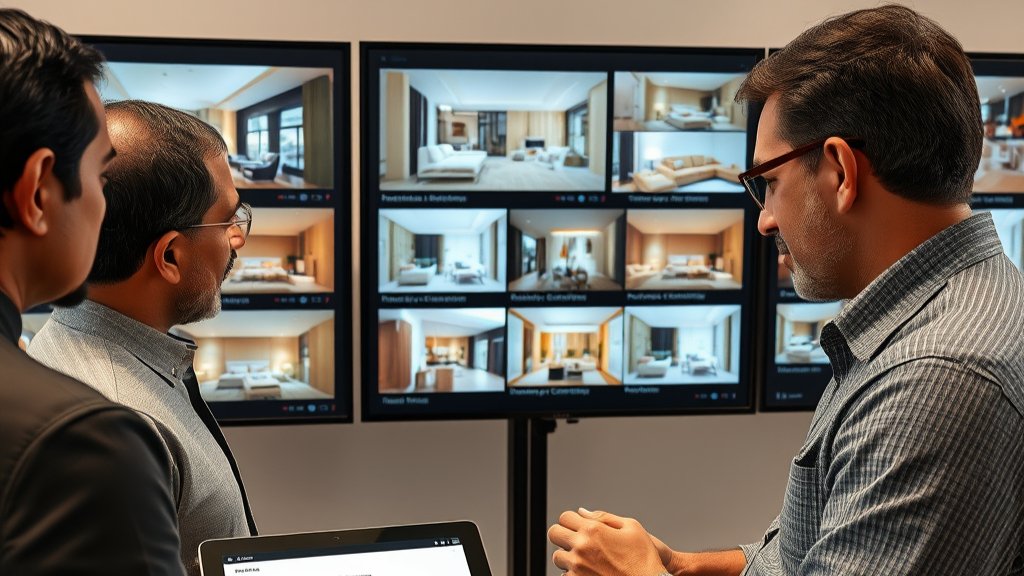
| Evaluation Criteria | What to Look For |
| Space Planning | Efficient layouts and circulation |
| Storage Design | Smart, integrated storage solutions |
| Material Quality | Durable and well-finished materials |
| Lighting Design | Balanced natural and artificial lighting |
| Kitchen Design | Functional work triangle and storage |
| Bedroom Design | Comfort, storage, and aesthetics |
| Bathroom Design | Practical layouts and quality fixtures |
| Execution Quality | Clean finishes and attention to detail |
A portfolio should demonstrate both creativity and functionality.
Budget Planning Before Hiring
Having a realistic budget helps designers recommend suitable materials and solutions. To estimate your renovation budget, explore our Interior Design Cost Mumbai guide.

Typical Budget Allocation
| Category | Suggested Share |
| Civil Work | 10–15% |
| Modular Furniture | 35–45% |
| Kitchen | 15–20% |
| Lighting | 5–8% |
| Painting & Finishes | 5–8% |
| Décor & Accessories | 5–10% |
| Contingency | 5–10% |
Keeping a contingency fund allows you to handle unexpected expenses without disrupting the project.
Understanding Design Styles
Knowing your preferred style helps narrow your search.
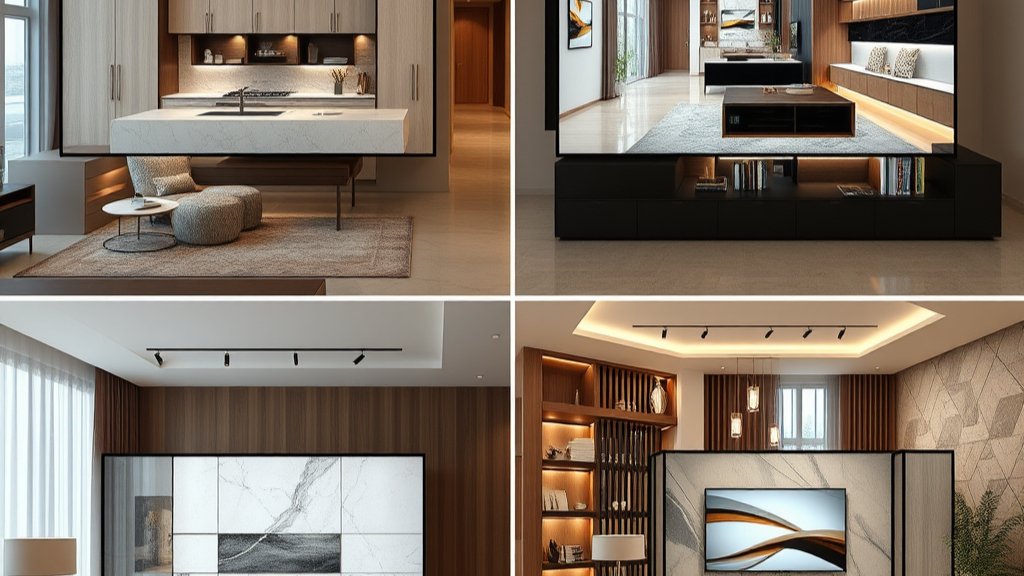
Popular Home Interior Styles
- Modern
- Contemporary
- Minimalist
- Scandinavian
- Industrial
- Traditional Indian
- Luxury Contemporary
- Japandi
- Transitional
Save inspiration images before your first consultation so the designer clearly understands your preferences.
Documents You Should Request
Before signing an agreement, ask for:
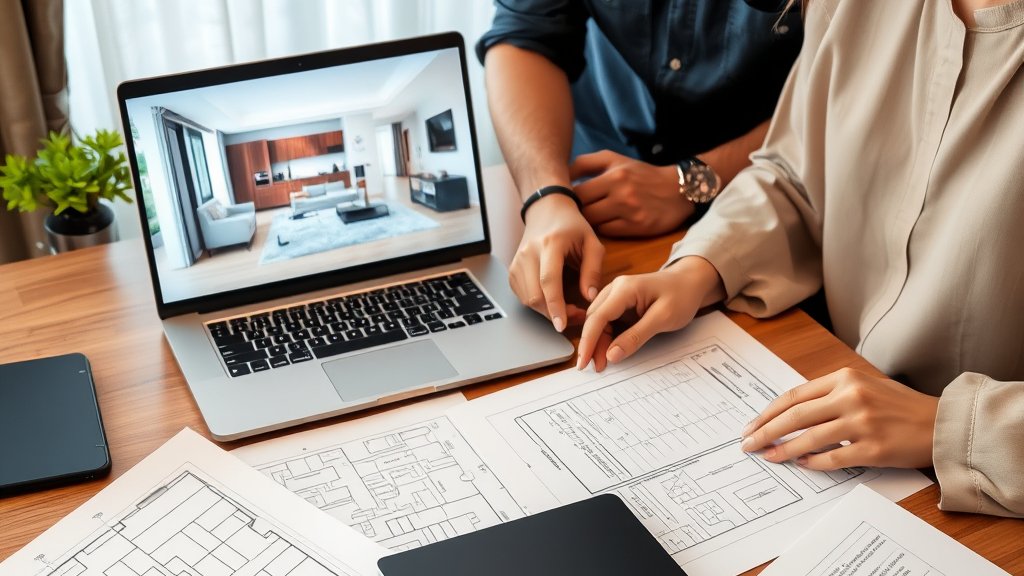
- Detailed quotation
- Scope of work
- Material specifications
- Furniture drawings
- Project timeline
- Payment schedule
- Warranty details
- Terms and conditions
Having everything documented reduces confusion during execution.
Expert Tip
The best interior designers don’t simply decorate homes—they solve problems. Choose someone who asks detailed questions about your daily routine, storage needs, future plans, and budget. A designer who understands how your family lives will create a home that is not only beautiful but also practical and enjoyable for years to come. Our Home Décor Ideas Mumbai guide showcases stylish décor inspiration, space-saving solutions, and contemporary design ideas tailored to modern Mumbai homes.
Common Mistakes Homeowners Make When Hiring an Interior Designer
Choosing the wrong interior designer can lead to delays, budget overruns, and disappointing results. Avoid these common mistakes to ensure a smoother home design journey.

- Choosing Based Only on Price
One of the biggest mistakes is selecting the lowest quotation without comparing the overall value.
A lower quote may exclude:
- Premium materials
- Site supervision
- Project management
- Hardware
- Installation
- Warranty
Better Approach
Compare designers based on:
- Experience
- Portfolio
- Material quality
- Timeline
- Communication
- After-sales support
- Not Defining Your Budget
Many homeowners begin discussions without a clear budget, making it difficult for designers to recommend suitable solutions.
Before Meeting a Designer
Decide:
- Total project budget
- Must-have features
- Nice-to-have upgrades
- Furniture budget
- Décor budget
A realistic budget leads to better planning and fewer compromises later.
- Ignoring Storage Planning
Beautiful homes can quickly become cluttered if storage is overlooked.
Plan Storage For
- Seasonal clothing
- Kitchen appliances
- Cleaning supplies
- Children’s items
- Shoes
- Luggage
- Home office equipment
Good storage planning is especially important in compact Mumbai apartments.
- Following Every Design Trend
Trends change quickly.
Instead of designing an entire home around temporary fashions, choose timeless elements for:
- Flooring
- Cabinetry
- Wardrobes
- Kitchens
- Bathrooms
Add trendy colors and accessories through easily replaceable décor items.
- Not Reading the Contract Carefully
Always review:
- Scope of work
- Payment terms
- Timeline
- Warranty
- Material specifications
- Change order process
- Delay clauses
Clear documentation protects both you and the designer.
Understanding Interior Design Costs in Mumbai
Interior design pricing depends on apartment size, materials, customization, and execution scope.

Estimated Residential Interior Costs
| Apartment Type | Estimated Budget |
| 1 BHK | ₹5 lakh–₹12 lakh |
| 2 BHK | ₹8 lakh–₹20 lakh |
| 3 BHK | ₹15 lakh–₹35 lakh |
| Luxury Apartment | ₹30 lakh–₹1 crore+ |
| Villa | ₹50 lakh–₹3 crore+ |
These figures are indicative and can vary depending on design complexity, location, and product selections.
Turnkey vs Design-Only Services
Understanding the difference helps you select the right service model.
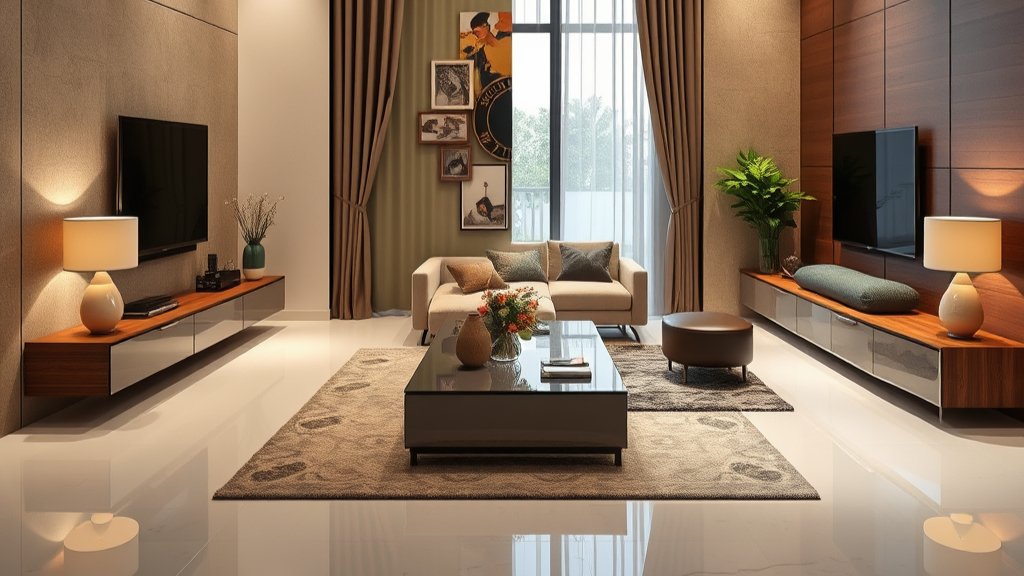
Design-Only Services
The designer provides:
- Layout planning
- 3D designs
- Material recommendations
- Working drawings
Execution is managed separately by contractors chosen by the homeowner.
Suitable For
- Experienced homeowners
- Smaller renovations
- Flexible project management
Turnkey Interior Services
The interior company manages the entire project.
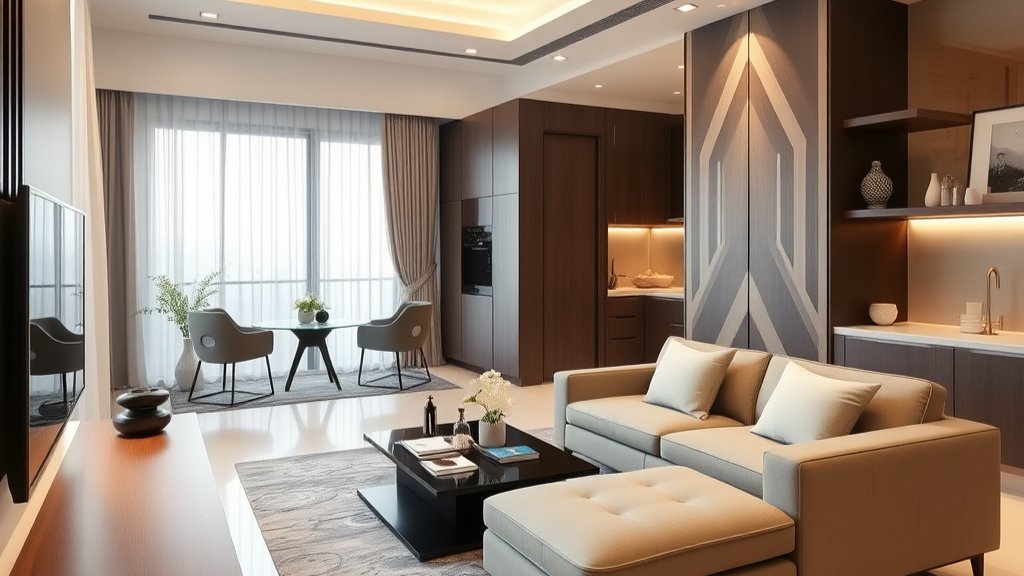
Typically Includes
- Design
- Material procurement
- Carpentry
- Civil work
- Electrical work
- Painting
- Furniture installation
- Site supervision
- Final handover
Advantages
- Single point of contact
- Better coordination
- Time savings
- Simplified project management
Turnkey solutions are popular among homeowners who want a hassle-free renovation experience.
How Long Does an Interior Design Project Take?
Project timelines vary depending on apartment size and customization. Our Apartment Interior Design Mumbai guide explains how apartment size, customization, material selection, and execution stages influence renovation timelines and project planning.

| Project Type | Typical Timeline |
| 1 BHK | 6–8 weeks |
| 2 BHK | 8–12 weeks |
| 3 BHK | 10–16 weeks |
| Luxury Apartment | 4–6 months |
| Villa | 6–10 months |
Material availability, design revisions, and building approvals can affect completion time.
Red Flags to Watch Before Hiring

Be cautious if a designer:
- Cannot provide recent project references.
- Offers unusually low quotations without detailed specifications.
- Avoids written agreements.
- Promises unrealistic timelines.
- Is unwilling to discuss materials.
- Requests full payment upfront.
- Has inconsistent communication.
- Refuses site visits or progress updates.
Professional designers are generally transparent about their process, pricing, and project expectations.
How to Compare Interior Design Companies
Create a simple comparison sheet before making your decision.

| Evaluation Factor | Designer A | Designer B | Designer C |
| Portfolio Quality | ⭐⭐⭐⭐⭐ | ⭐⭐⭐⭐ | ⭐⭐⭐⭐ |
| Residential Experience | ✓ | ✓ | ✓ |
| Design Style Match | ✓ | ✓ | ✗ |
| Transparent Pricing | ✓ | ✗ | ✓ |
| Turnkey Services | ✓ | ✓ | ✗ |
| Warranty | ✓ | ✓ | ✓ |
| Client Reviews | Excellent | Good | Good |
Comparing designers using consistent criteria helps you make a more objective decision.
Preparing for Your First Consultation
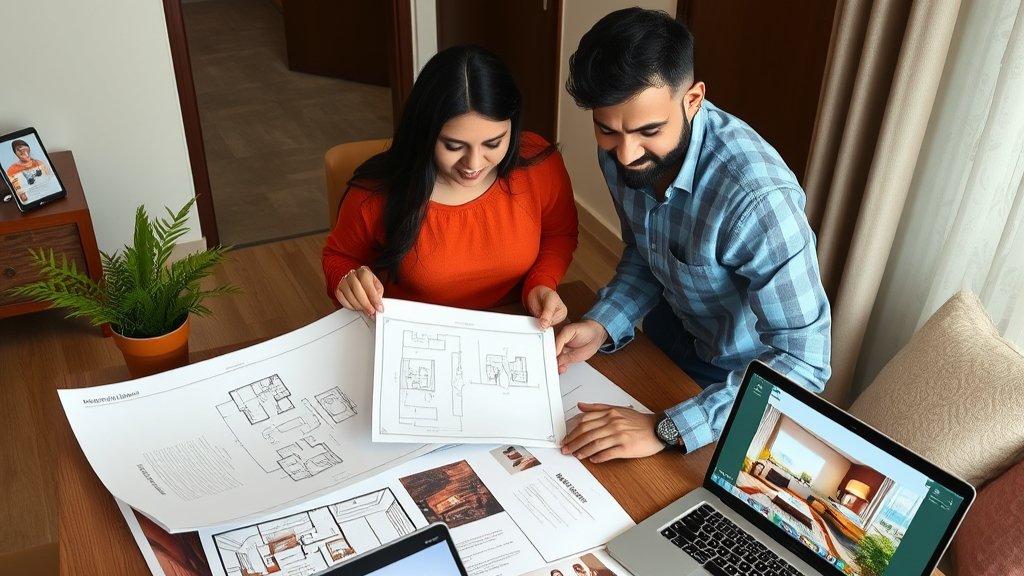
Bring the following to your meeting:
- Apartment floor plan
- Inspiration images
- Budget range
- Lifestyle requirements
- Storage needs
- Preferred colors
- Timeline
- Questions about execution
The more information you provide, the more accurate the designer’s recommendations will be.
Expert Tip
The right interior designer should feel like a collaborative partner rather than just a service provider. Look for someone who listens carefully, explains options clearly, and offers practical solutions that fit your lifestyle and budget. A strong working relationship often leads to a smoother project and a home that truly reflects your vision.
How to Evaluate Material Quality Before Approving Your Project
The quality of materials directly affects the durability, appearance, and maintenance of your home. Before approving any proposal, ask your interior designer to explain why each material has been selected.
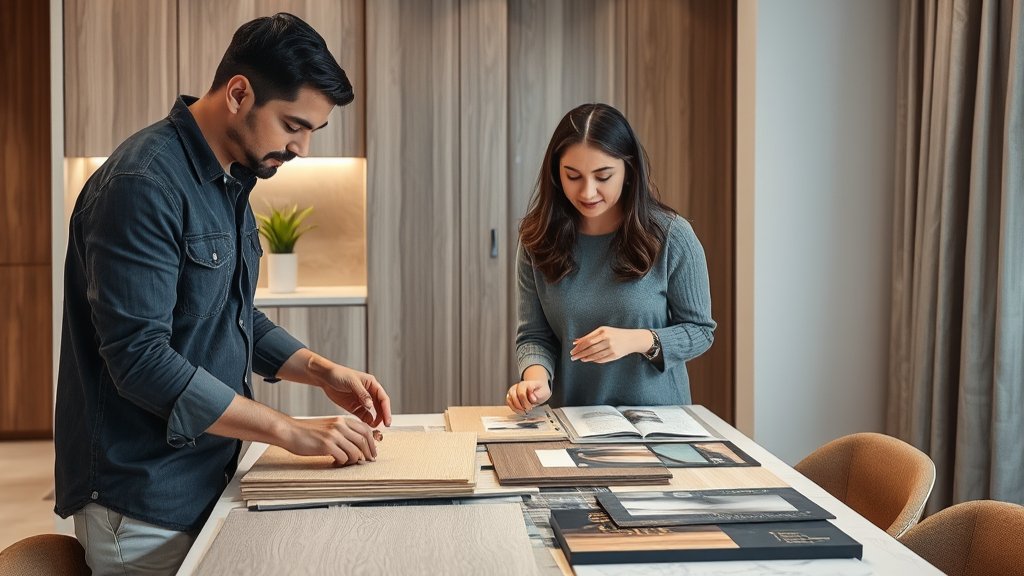
Key Materials to Review
- Plywood and blockboard
- Laminates and veneers
- Quartz or granite countertops
- Flooring materials
- Glass specifications
- Paint brands
- Hardware and hinges
- Wardrobe accessories
Understanding these choices helps you compare quotations more accurately.
Plywood Selection
Plywood is the foundation of modular furniture.

Recommended Types
| Plywood Type | Best Application |
| BWP (Boiling Water Proof) | Kitchen & bathroom cabinets |
| BWR (Boiling Water Resistant) | Bedrooms & wardrobes |
| MR Grade | Dry interior areas |
For Mumbai’s humid climate, moisture-resistant plywood is generally preferred for kitchens and utility areas.
Future of Luxury Interior Design in Mumbai
The future of luxury design is becoming more personalized, sustainable, and technology-driven. Our Luxury Interior Designers Mumbai guide showcases bespoke interiors, premium materials, smart home integration, and timeless design concepts shaping the next generation of luxury homes.
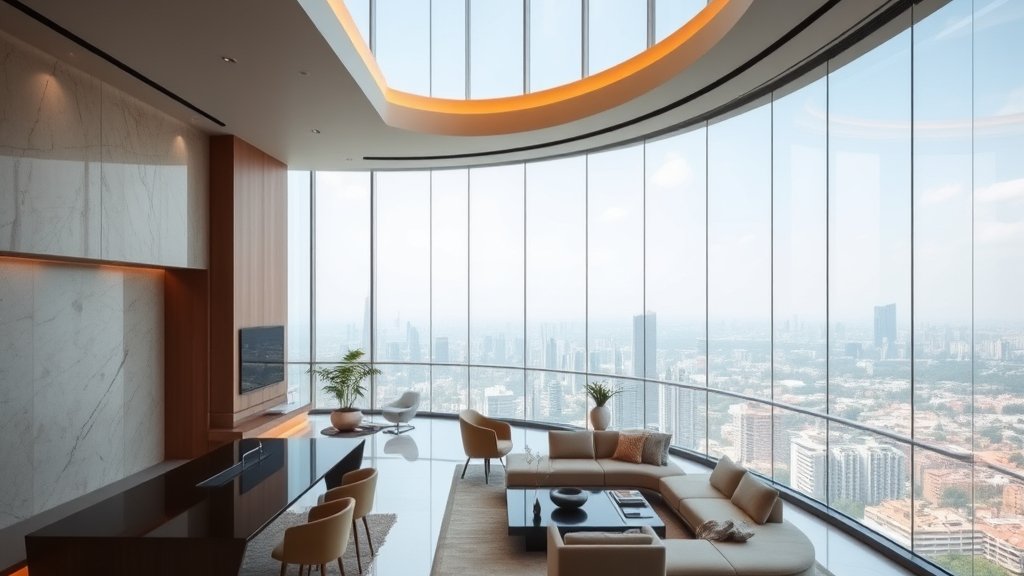
Emerging innovations include:
- AI-powered smart homes
- Wellness-focused interiors
- Biophilic design concepts
- Virtual reality walkthroughs
- Sustainable luxury craftsmanship
Mumbai’s luxury homeowners are increasingly seeking spaces that combine emotional comfort with technological sophistication.
Understanding Project Execution
Professional execution is just as important as good design.
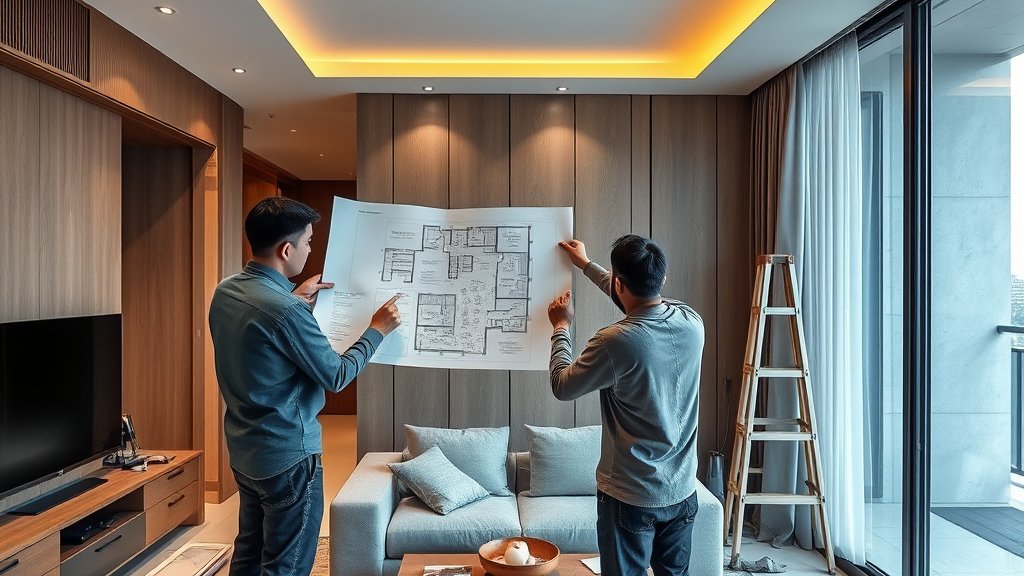
A typical interior project includes:
- Site measurements
- Final design approval
- Working drawings
- Material procurement
- Factory manufacturing
- Site preparation
- Installation
- Quality inspections
- Final handover
Regular monitoring throughout these stages helps maintain quality standards.
How Site Supervision Improves Quality
Projects with consistent supervision generally achieve better results.

A Site Supervisor Helps By
- Monitoring workmanship
- Coordinating contractors
- Verifying measurements
- Checking material quality
- Managing timelines
- Resolving on-site issues
- Conducting quality inspections
Ask who will be responsible for supervising your project before work begins.
Suggested Payment Schedule
Avoid paying the full project cost in advance.

A milestone-based payment structure is often more transparent.
| Project Stage | Typical Payment |
| Design Agreement | 10–15% |
| Design Approval | 20–25% |
| Material Procurement | 20–30% |
| Manufacturing | 20–25% |
| Installation | 10–15% |
| Final Handover | Remaining Balance |
Ensure payment milestones are clearly documented in your agreement.
Homeowner Planning Checklist
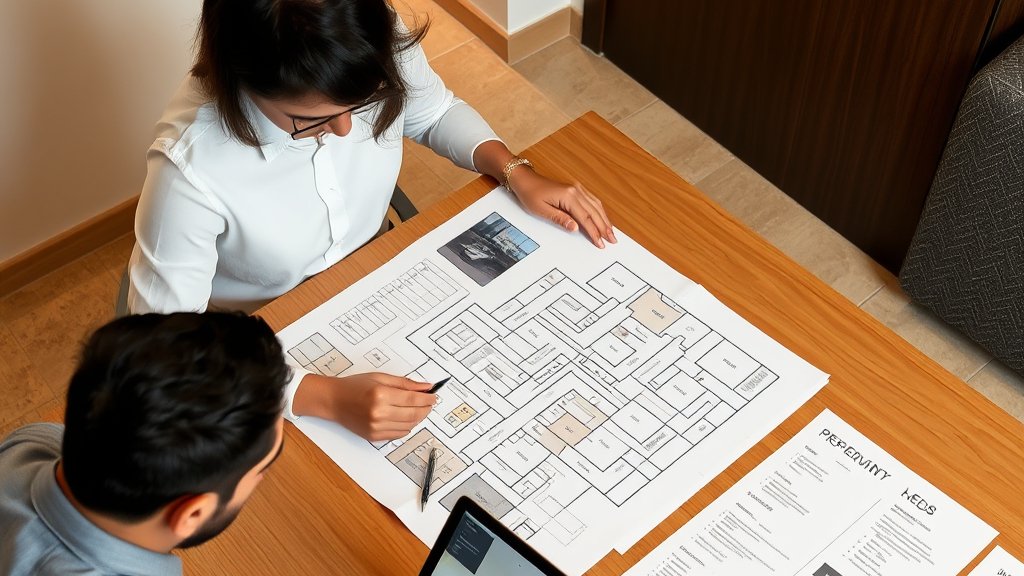
Before execution starts, confirm the following:
Planning
- Final layout approved
- Budget finalized
- Design style confirmed
- Material samples approved
- Timeline agreed upon
Furniture
- Wardrobe layout
- Kitchen design
- TV unit
- Beds
- Study area
- Storage solutions
Electrical Planning

Confirm locations for:
- Switchboards
- Power outlets
- TV points
- Wi-Fi router
- Air conditioners
- Decorative lighting
- Appliances
Making electrical changes after installation can be expensive and disruptive.
Lighting Plan
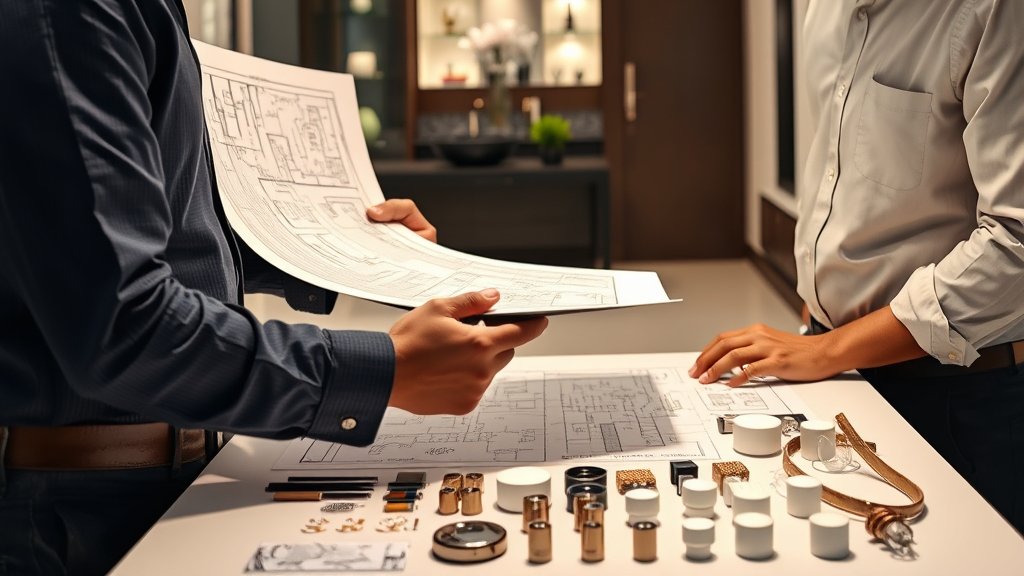
A balanced lighting design typically includes:
- Ambient lighting
- Task lighting
- Accent lighting
- Cove lighting
- Decorative fixtures
Layered lighting improves both functionality and ambience.
How to Manage Design Changes
Changes during execution can affect both the timeline and budget.
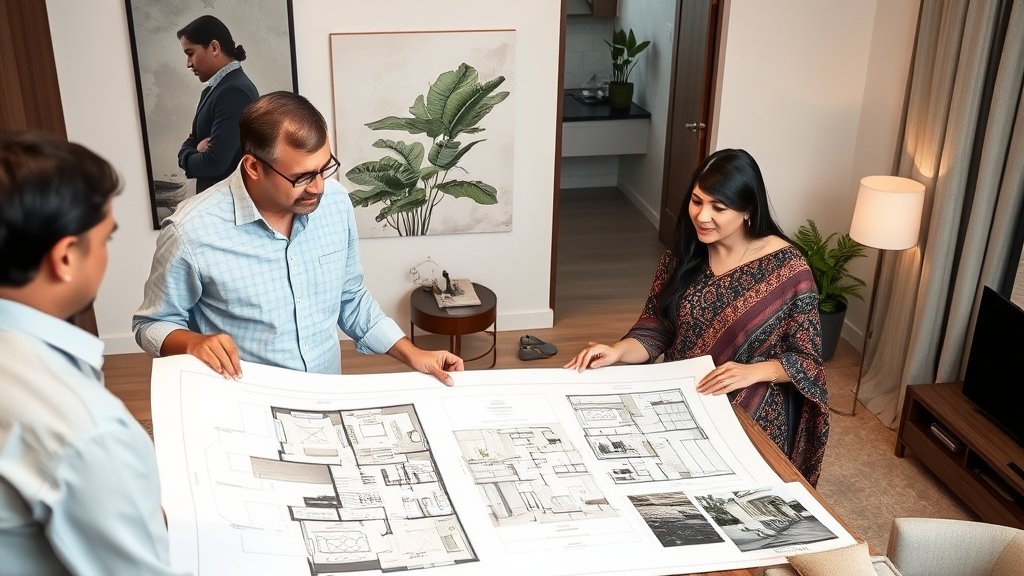
Best Practices
- Finalize designs before manufacturing.
- Document all requested changes in writing.
- Ask for revised cost estimates.
- Confirm new completion dates if required.
A structured change process helps avoid misunderstandings.
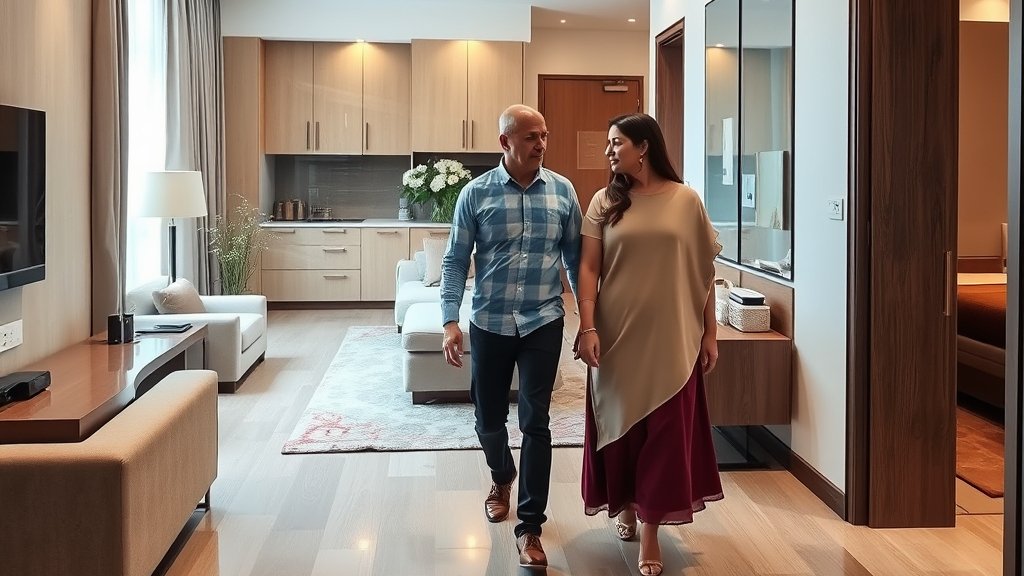
Quality Inspection Checklist Before Handover
Inspect your home carefully before making the final payment.
Furniture
- Smooth finishes
- Proper alignment
- Soft-close functionality
- Scratch-free surfaces
Walls & Paint
- Even finish
- Clean edges
- No visible cracks
- Correct color application
Flooring
- Level installation
- No chipped tiles
- Proper grout lines
- Clean joints
Lighting & Electrical
- All fixtures working
- Switches functioning correctly
- Fans and appliances tested
- Adequate illumination
Kitchen
- Drawers operate smoothly
- Cabinets aligned
- Countertop joints finished neatly
- Sink and plumbing tested
Bathrooms
- Water pressure checked
- Drainage tested
- Fixtures securely installed
- Silicone joints properly sealed
Creating a snag list and resolving issues before occupancy ensures a smoother handover.
Professional Project Management Tips

Successful home interior projects often follow these practices:
- Hold regular progress meetings.
- Request weekly site photographs.
- Approve material samples before production.
- Monitor timelines against agreed milestones.
- Keep written records of design decisions.
- Inspect factory-made furniture before delivery if possible.
- Complete a detailed final walkthrough before signing off.
Consistent communication between the homeowner, designer, and contractors helps minimize delays and maintain quality.
Expert Tip
The final 10% of any interior project often determines the overall quality. Take time to inspect finishes, test every drawer, cabinet, light, switch, and fitting, and ensure any minor defects are corrected before making the final payment. A careful handover process helps protect your investment and ensures long-term satisfaction.
👉 Transform your home beautifully in 2026.
📞 Book a free consultation
💬 Get cost estimate instantly
🏠 Custom ideas for your home size
📝 Conclusion
Choosing the right interior designer is one of the most important decisions in your home renovation journey. While Mumbai offers a wide range of talented professionals, the best designer is the one who understands your vision, communicates openly, respects your budget, and delivers consistent quality.
Take time to compare portfolios, verify experience, understand quotations, and ask detailed questions before signing a contract. Don’t focus only on visual appeal—evaluate project management, material quality, execution standards, and after-sales support as well. Our Modern Home Interiors Mumbai guide showcases contemporary home designs, premium finishes, smart layouts, and innovative interior solutions to help you choose the right design partner.
A thoughtfully designed home should not only look beautiful but also support your family’s lifestyle, maximize available space, and remain functional for years to come. By following the steps outlined in this guide, you’ll be well prepared to choose an interior designer who can bring your dream home to life with confidence.
Frequently Asked Questions (FAQs)
1. How do I choose the best interior designer in Mumbai?
Start by defining your budget, preferred design style, and project requirements. Then:
- Review portfolios
- Read verified client reviews
- Compare detailed quotations
- Check residential project experience
- Ask about timelines and warranties
- Meet the designer personally before making a decision
Choose someone who understands your lifestyle rather than simply offering the lowest price.
2. What should I ask an interior designer before hiring?
Important questions include:
- How many residential projects have you completed?
- Can I visit a completed project?
- What materials do you recommend?
- What is your estimated timeline?
- Do you provide turnkey services?
- Who supervises the site?
- What warranties do you provide?
- How are design changes handled?
These questions help you evaluate experience, transparency, and project management.
3. How much do interior designers charge in Mumbai?
Pricing depends on apartment size, scope of work, and level of customization.
Estimated Interior Costs
Home Type Estimated Budget 1 BHK ₹5 lakh–₹12 lakh 2 BHK ₹8 lakh–₹20 lakh 3 BHK ₹15 lakh–₹35 lakh Luxury Apartment ₹30 lakh–₹1 crore+ Villa ₹50 lakh–₹3 crore+ Always request a detailed quotation that clearly lists inclusions and exclusions.
4. Is a turnkey interior package better than hiring separate contractors?
For many homeowners, yes. Turnkey interior services offer:
- One point of contact
- Better coordination
- Simplified scheduling
- Consistent quality control
- Reduced project management effort
However, if you have renovation experience and prefer greater control, a design-only service with separate contractors may also be suitable.
5. How long does a home interior project usually take?
Typical project timelines are:
Project Type Estimated Duration 1 BHK 6–8 weeks 2 BHK 8–12 weeks 3 BHK 10–16 weeks Luxury Apartment 4–6 months Villa 6–10 months The exact duration depends on customization, material availability, and project complexity.
6. How can I avoid hidden costs during my interior project?
To minimize unexpected expenses:
- Request an itemized quotation.
- Confirm material specifications.
- Understand exclusions.
- Finalize the design before execution.
- Keep a contingency budget of 5–10%.
- Approve all changes in writing before work begins.
Clear communication and documentation reduce the likelihood of budget surprises.
7. Should I choose trendy designs or timeless interiors?
A balanced approach works best.
Use timeless finishes for:
- Flooring
- Wardrobes
- Kitchen cabinetry
- Bathrooms
Introduce trends through:
- Cushions
- Artwork
- Paint colors
- Decorative accessories
- Lighting
This allows your home to remain stylish while making future updates easier and more affordable.
8. What materials are best for Mumbai homes?
Given Mumbai’s humid climate, many designers recommend:
- BWP/BWR plywood for cabinetry
- Quartz countertops
- Moisture-resistant laminates
- Vitrified or porcelain tiles
- Stainless steel hardware
- Low-VOC paints
- Quality soft-close fittings
Material selection should always balance durability, maintenance, and budget.
9. What are the biggest mistakes homeowners make?
Common mistakes include:
- Choosing solely on price
- Ignoring storage planning
- Not reviewing contracts carefully
- Making frequent design changes during execution
- Selecting oversized furniture
- Overlooking lighting design
- Skipping quality inspections before handover
Avoiding these mistakes can save both time and money.
10. How do I know if an interior designer is the right fit?
A good interior designer:
- Listens carefully
- Understands your lifestyle
- Communicates clearly
- Provides realistic timelines
- Explains material choices
- Shares transparent quotations
- Has relevant residential experience
- Offers a structured project management process
A strong working relationship often leads to better design outcomes and a smoother renovation experience.