
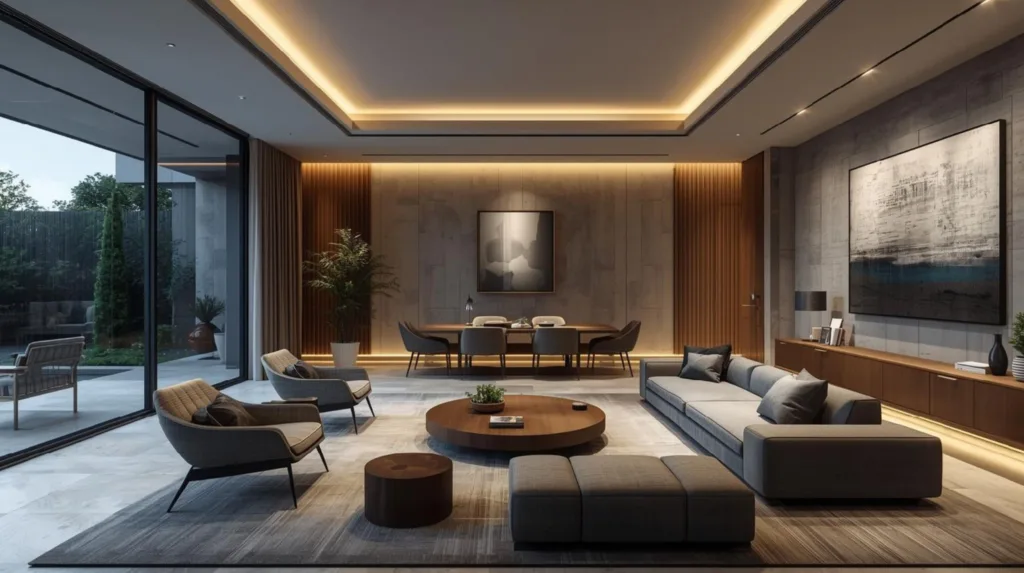
Introduction to Modern Villa Interior Design in 2026
As we approach 2026, the landscape of modern villa interior design is undergoing significant transformations. This evolution is driven by various factors, including technological advancements, shifting cultural perspectives, and a heightened emphasis on sustainability. Understanding these trends is essential for anyone looking to create living spaces that are not only visually stunning but also functional and comfortable.
Technological innovations are reshaping the way interior design is conceived and executed. Smart home technology is becoming increasingly prevalent, allowing homeowners to integrate sophisticated systems that enhance their living experience. From lighting that adjusts to mood and time of day to climate control that optimizes energy efficiency, these technological advancements are redefined in the modern villa lifestyle. Additionally, the rise of virtual reality tools empowers homeowners and designers to visualize and curate their spaces before they are physically built.
Cultural shifts play a crucial role in influencing what is deemed contemporary and appealing in interior spaces. As societal values evolve, so too does the aesthetic preference. The modern villa is expected to reflect a blend of personal identity and culturally inspired elements, contributing to a unique character that resonates with its inhabitants. This is becoming increasingly important as people prioritize homes that encapsulate their worldviews and lifestyles.
Sustainability remains a key component in modern villa interior design. As awareness of environmental issues continues to grow, the demand for eco-friendly materials and practices in construction and design has surged. Designers are now focusing on incorporating sustainable resources, from reclaimed wood to energy-efficient appliances, which are essential for creating spaces that are not only beautiful but are also mindful of their environmental impact. This holistic approach ensures that modern villas are prepared for the future while meeting the expectations of discerning homeowners today.
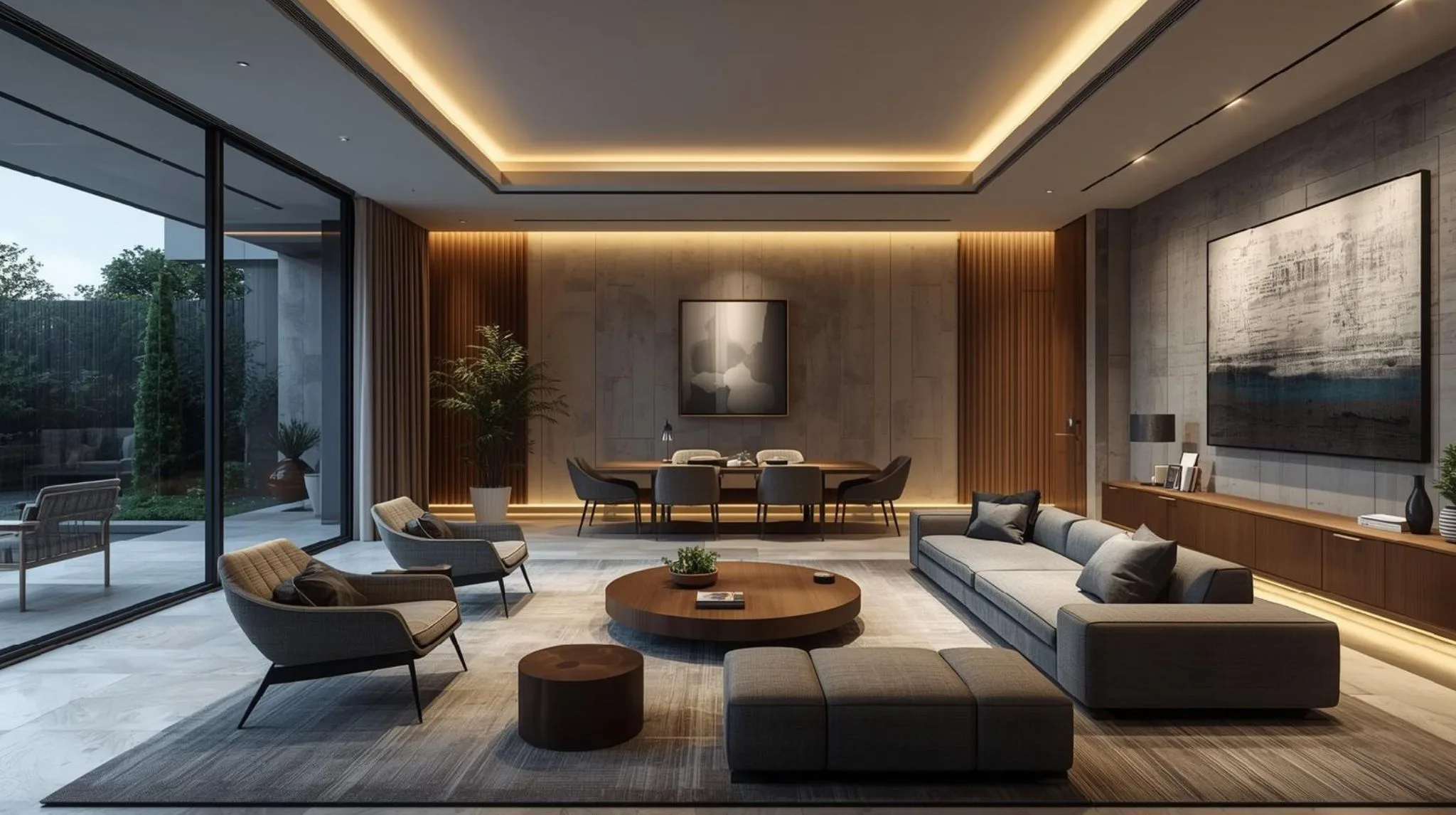
Sustainability: The Core of Modern Design
In recent years, there has been an increasing emphasis on sustainability in the realm of interior design, and this trend is set to dominate the landscape in 2026. As homeowners become more conscious of the environmental impact of their choices, sustainable design practices will emerge not just as an option, but as a necessity. This shift involves the thoughtful integration of eco-friendly materials, energy-efficient appliances, and a commitment to responsibly sourced furniture and decor.
The use of eco-friendly materials is a cornerstone of sustainable interior design. In 2026, designers will favor natural materials such as bamboo, reclaimed wood, and recycled metals over traditional options. These materials not only reduce environmental impact but also often bring unique character and warmth to modern villas. Innovations in sustainable textiles, including organic cotton and hemp, will further enhance the environmental credentials of interior spaces, offering various versatility for upholstery and decorative elements.
Energy efficiency will be a significant focus in the design of modern villas. Homeowners will prioritize appliances that not only reduce energy consumption but also enhance the functionality of living spaces. Inbuilt lighting systems utilizing LED technology will become commonplace, providing both aesthetic appeal and lower energy costs. Moreover, the integration of smart home technologies will allow for more precise control of energy use, facilitating an eco-conscious lifestyle with minimal effort.
Sourcing furnishings and decor sustainably will also be key. Designers and homeowners will increasingly seek products from local artisans or manufacturers that practice sustainable sourcing. This approach not only supports local economies but also reduces the carbon footprint associated with transporting goods over long distances. By embracing these elements, individuals can create beautiful, modern villas that exemplify contemporary tastes while making responsible choices that benefit both their homes and the environment.
Biophilic Design: Bringing Nature Indoors
Biophilic design has emerged as a prominent trend in modern villa interior design, emphasizing the intrinsic connection between nature and indoor environments. This approach seeks to enhance the living experience by integrating natural elements into the design, thereby promoting a sense of well-being and tranquility.
One of the most effective ways to incorporate biophilic design into your villa is through the strategic placement of plants. Indoor greenery not only enhances the aesthetic appeal but also purifies the air, creating a healthier living space. Consider using a variety of plants that thrive in indoor conditions, such as pothos, snake plants, and peace lilies. These selections require minimal maintenance and adapt well to diverse lighting conditions, ensuring sustainability in your design choices.
Another essential element is the incorporation of natural light. Large windows or skylights can significantly improve the ambience of your villa, reducing reliance on artificial lighting and fostering a more inviting atmosphere. This increase in natural light not only brightens the space but also uplifts the mood of the inhabitants, thereby improving overall mental health.
Water features, such as indoor fountains or aquariums, can also enhance the biophilic experience. The soothing sound of flowing water creates a calm environment, while the visual stimulation of water elements can reduce stress and anxiety. Additionally, the inclusion of natural materials—like wood, stone, and bamboo—can complement these features, further blurring the lines between indoor and outdoor living.
In essence, the practice of biophilic design in your villa interior creates a rejuvenating sanctuary that draws inspiration from the natural world. By thoughtfully integrating these elements, you foster not only a visually appealing space but also a nurturing environment conducive to mental and emotional well-being.
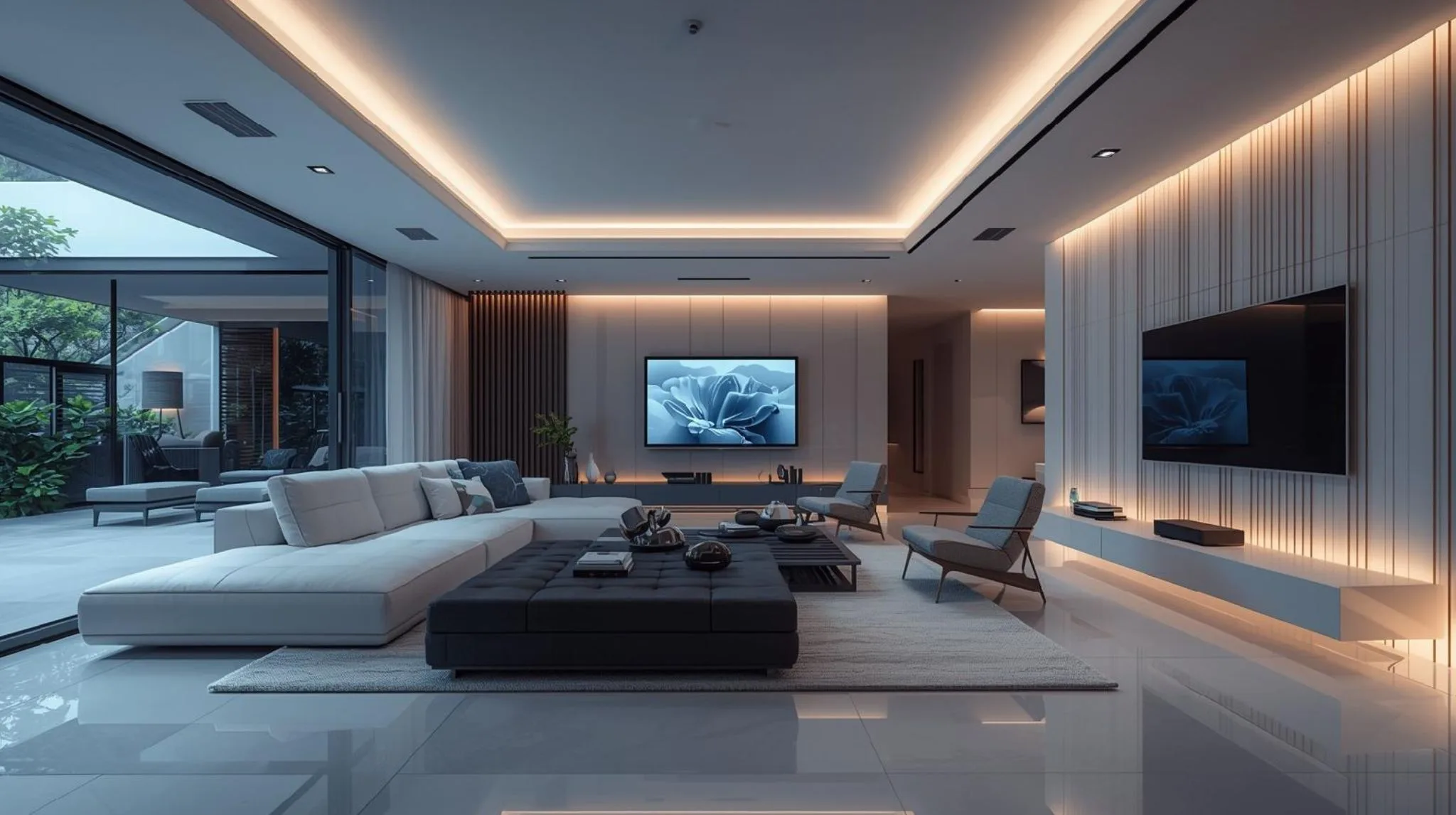
Smart Home Integration: The Future of Living
In today’s rapidly evolving technological landscape, smart home integration has become a significant aspect of modern villa interior design. This trend reflects the desire for enhanced convenience, security, and energy efficiency, characteristics increasingly valued by homeowners. Smart technology offers innovative solutions that transform traditional living spaces into intelligent environments, profoundly improving the overall quality of life.
At the forefront of smart home systems are automated lighting solutions, which allow for seamless control of brightness and color temperature. Homeowners can adjust their lighting through smartphone applications or voice-activated devices, creating the perfect ambiance for any occasion. Additionally, smart climate control systems help to optimize heating and cooling, adjusting settings based on occupancy and personal preferences. This not only ensures comfort but also significantly reduces energy consumption, making villas more sustainable.
Besides comfort, security features play a crucial role in modern villa design. Advanced surveillance cameras, smart locks, and alarm systems are now interconnected, providing homeowners with real-time monitoring capabilities from their mobile devices. This level of control and accessibility enhances personal security and peace of mind, allowing residents to manage their properties from virtually anywhere. Moreover, the integration of voice-activated assistants adds an element of convenience, enabling users to operate various smart devices through simple voice commands.
The growing focus on energy efficiency is further supported by the implementation of smart home technologies. Automated systems can track energy usage and suggest adjustments, helping homeowners reduce their carbon footprint. Consequently, integrating smart technology into villa designs not only promotes a modern lifestyle but also embodies a commitment to sustainability.
As we move toward 2026, smart home integration will continue to redefine living spaces, making them more functional and aesthetically pleasing while addressing contemporary environmental concerns.
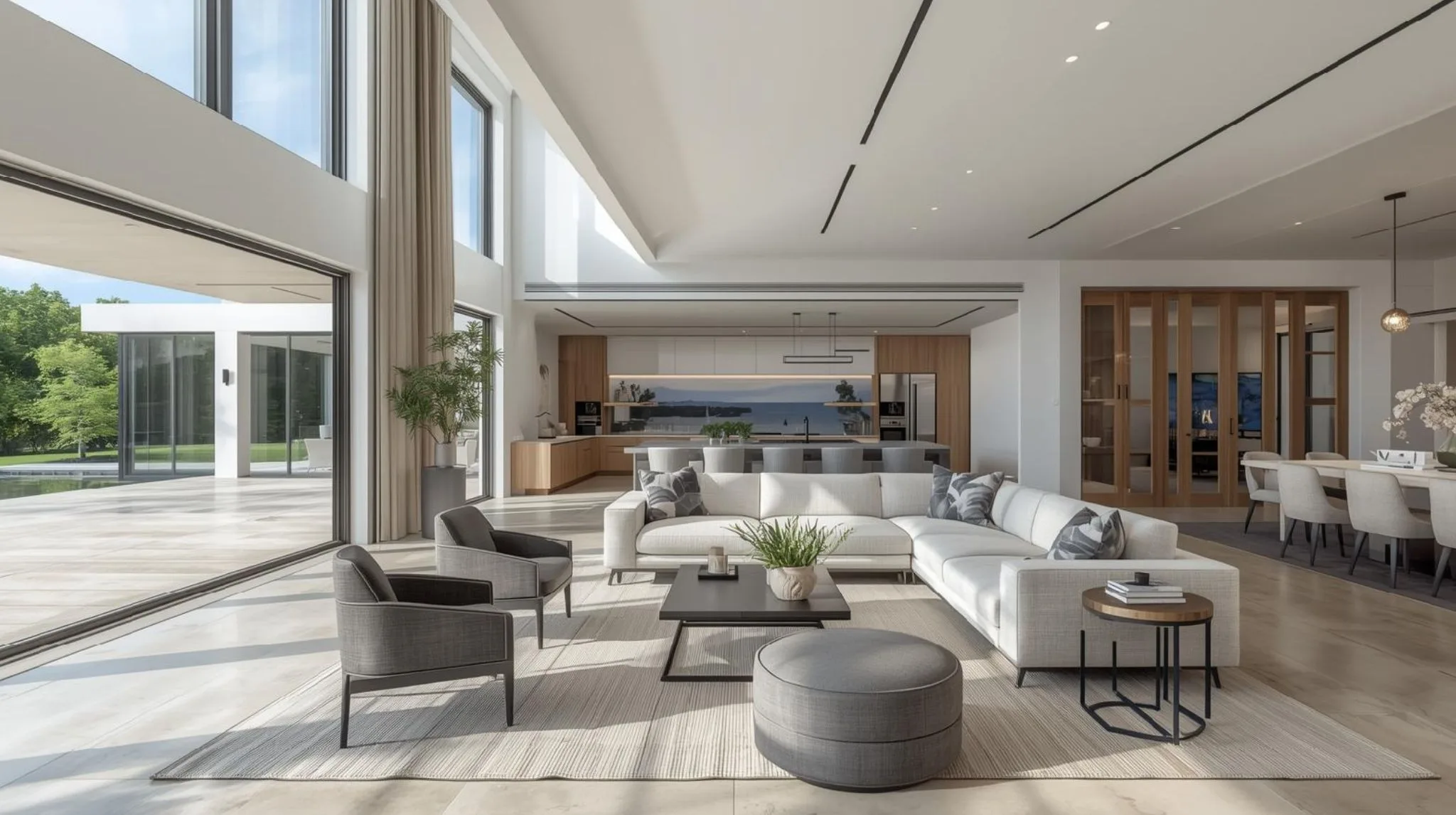
Open Floor Plans: The New Standard
Open floor plans have increasingly emerged as the preferred layout for modern villa interiors, emphasizing the transformation of traditional compartmentalized spaces into expansive, functional areas. This trend fosters enhanced social interaction, allowing family members and guests to engage freely without the constraints of walls. Furthermore, the removal of barriers significantly improves the flow of natural light, rendering spaces not only brighter but also more inviting.
In designing open areas, it is essential to consider how to create distinct functional zones while maintaining the overall cohesiveness of the space. This can be achieved through strategic furniture placement, area rugs, or subtle changes in flooring to delineate different uses within the same area. For instance, a combination of a spacious living room, dining area, and kitchen is common in contemporary villas, where each section feels connected yet defined. Utilizing varying ceiling heights or architectural features, such as half-walls or islands, can also help to distinguish spaces while preserving an open feel.
However, this design trend does present challenges that must be addressed to maximize both functionality and aesthetic appeal. Noise can become a significant factor in open-concept living, with sound reverberating unchecked across vast spaces. To mitigate this, incorporating soft furnishings, like plush sofas and curtains, can help absorb sound and improve comfort. Using strategic lighting to create mood can also play a pivotal role in optimizing the functionality of different areas.
Examples of successful open floor plans can be found in many new villa constructions, demonstrating how creativity and thoughtful design can bring unity and versatility to living spaces. Thus, as we move towards 2026, the continuation of this trend signifies not just an aesthetic choice, but a lifestyle shift favoring connection and adaptability within modern homes.
Bold Colors and Textures: A Statement Approach
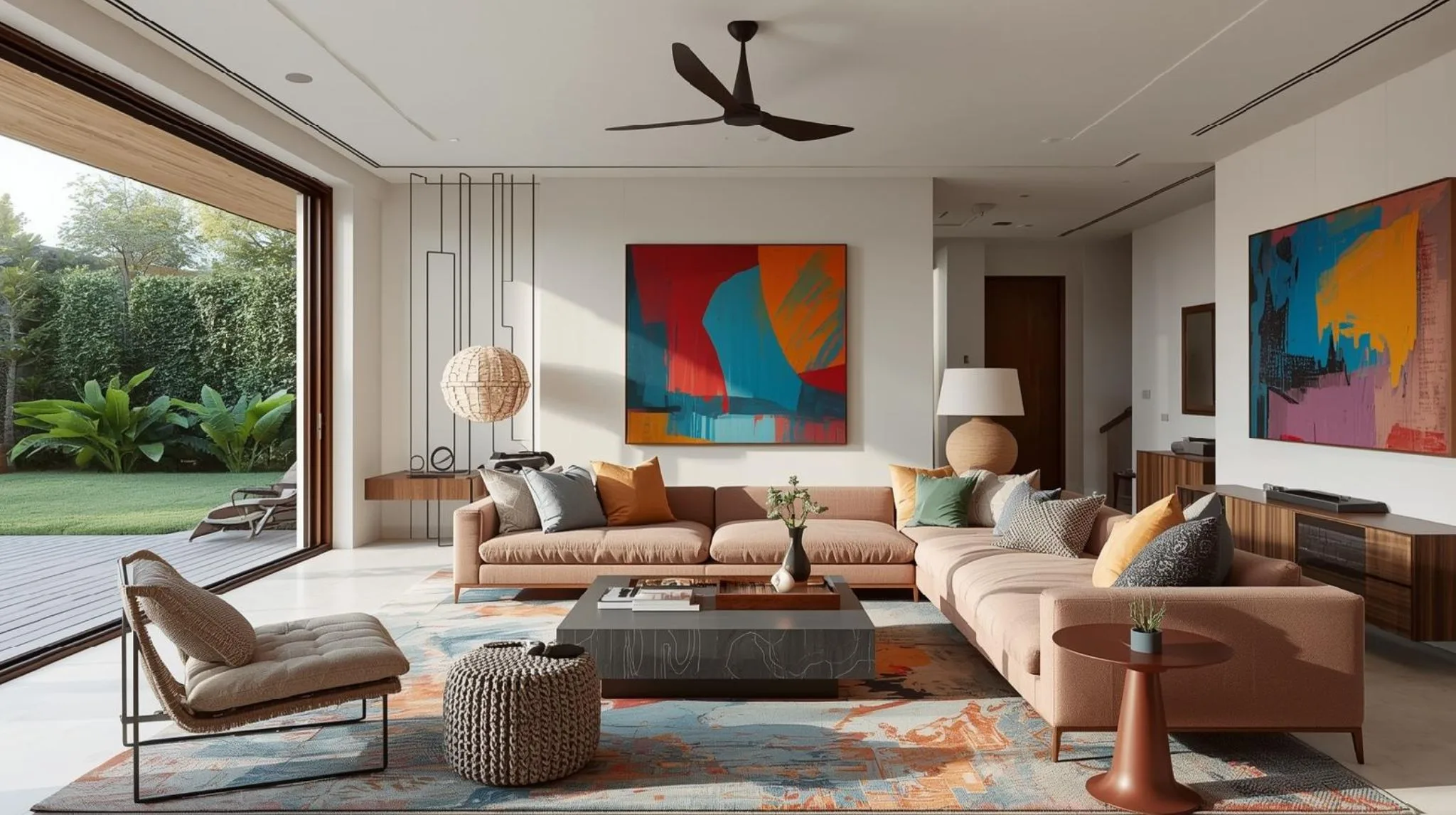
As modern villa design continues to evolve, 2026 is set to embrace an exciting trend centered around the use of bold colors and diverse textures. This approach allows homeowners to establish distinct statement spaces, infusing their interiors with personality and vibrancy. Among the most popular color palettes emerging this year, rich jewel tones such as emerald green, deep sapphire, and ruby red are taking center stage. These colors create a striking visual impact and serve as an excellent backdrop for eclectic decor.
In addition to bold hues, texture plays a vital role in defining spaces. The interplay of various materials such as polished metals, soft fabrics, and natural woods can transform any room into a haven of depth and character. For instance, consider pairing an emerald green velvet sofa with a sleek glass coffee table, incorporating a woven jute rug beneath for contrast. This combination not only establishes an inviting atmosphere but also elevates the overall aesthetic of the villa.
Creating focal points through art, upholstery, and accent walls further emphasizes this trend. Large-scale artwork or a statement piece like a sculptural installation can draw the eye and act as a conversation starter within the space. Moreover, consider the use of accent walls painted in bold colors or adorned with textured wallpaper to add an additional layer of interest. Upholstery featuring vibrant patterns or tactile elements such as fringe or tufting can likewise contribute to making a space feel cohesive yet dynamic.
In essence, the combination of bold colors and diverse textures is set to dominate modern villa interiors in 2026. By thoughtfully integrating these elements, homeowners can create personalized environments that reflect their unique style while remaining on-trend. This approach not only enhances the visual appeal but also cultivates a sense of warmth and intimacy within the home.
Multifunctional Spaces: Flexibility in Design
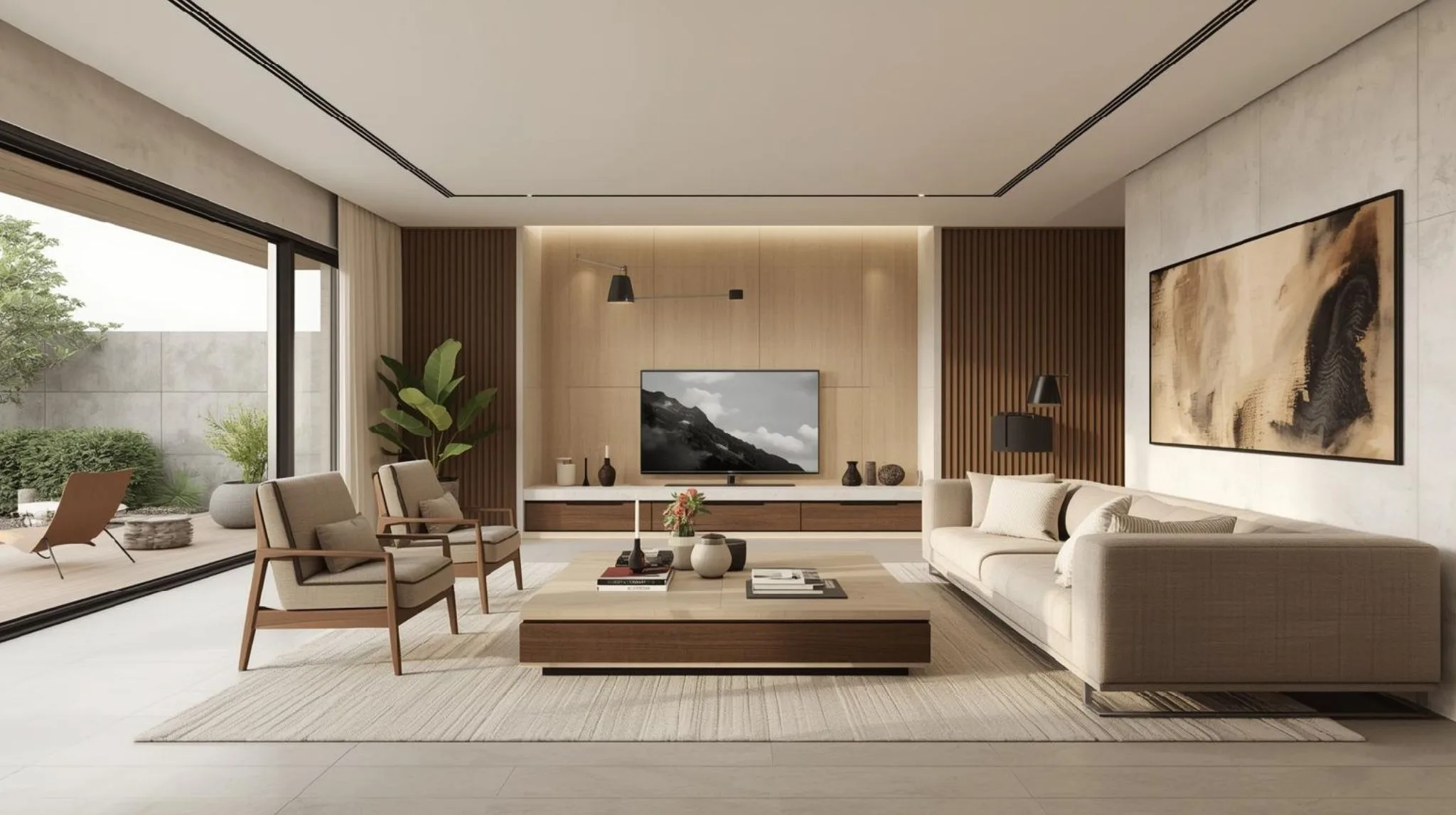
In today’s fast-paced world, the concept of multifunctional spaces in villa interior design has gained significant traction. As more individuals and families seek to maximize their living areas, the need for rooms that serve multiple purposes has never been more crucial. Modern villas are now being designed with flexibility in mind, allowing homeowners to adapt their spaces for various activities, from remote work to hosting guests.
One effective approach to creating multifunctional spaces involves integrating furniture that can easily transition from one use to another. For example, a home office can be designed with a desk that doubles as a dining table or a sofa bed that transforms a cozy lounge area into a guest room. This versatility not only accommodates the dynamic lifestyles of contemporary residents but also enhances the overall utility of the space.
In addition to adaptable furniture, clever storage solutions are essential for maintaining an organized and uncluttered look within multifunctional rooms. Built-in cabinetry and open shelving can serve as stylish and practical storage options. These solutions not only help to keep items discreetly tucked away when not in use but also contribute to the visual appeal of the villa interior. Utilizing spaces under staircases or incorporating storage ottomans can further optimize the design, allowing for maximum efficiency without sacrificing aesthetics.
Moreover, flexible room designs can incorporate movable partitions or sliding doors that allow homeowners to create separate areas as needed. This adaptability ensures that spaces can easily be reconfigured for different purposes, thus improving functionality. The integration of multifunctionalities into the interior layout of modern villas results in a harmonious blend of comfort and practicality, reflecting the shifting priorities and needs of contemporary living. Ultimately, the key is to embrace flexibility in design to meet the varied demands of daily life.
Outdoor Spaces: Extending the Living Area
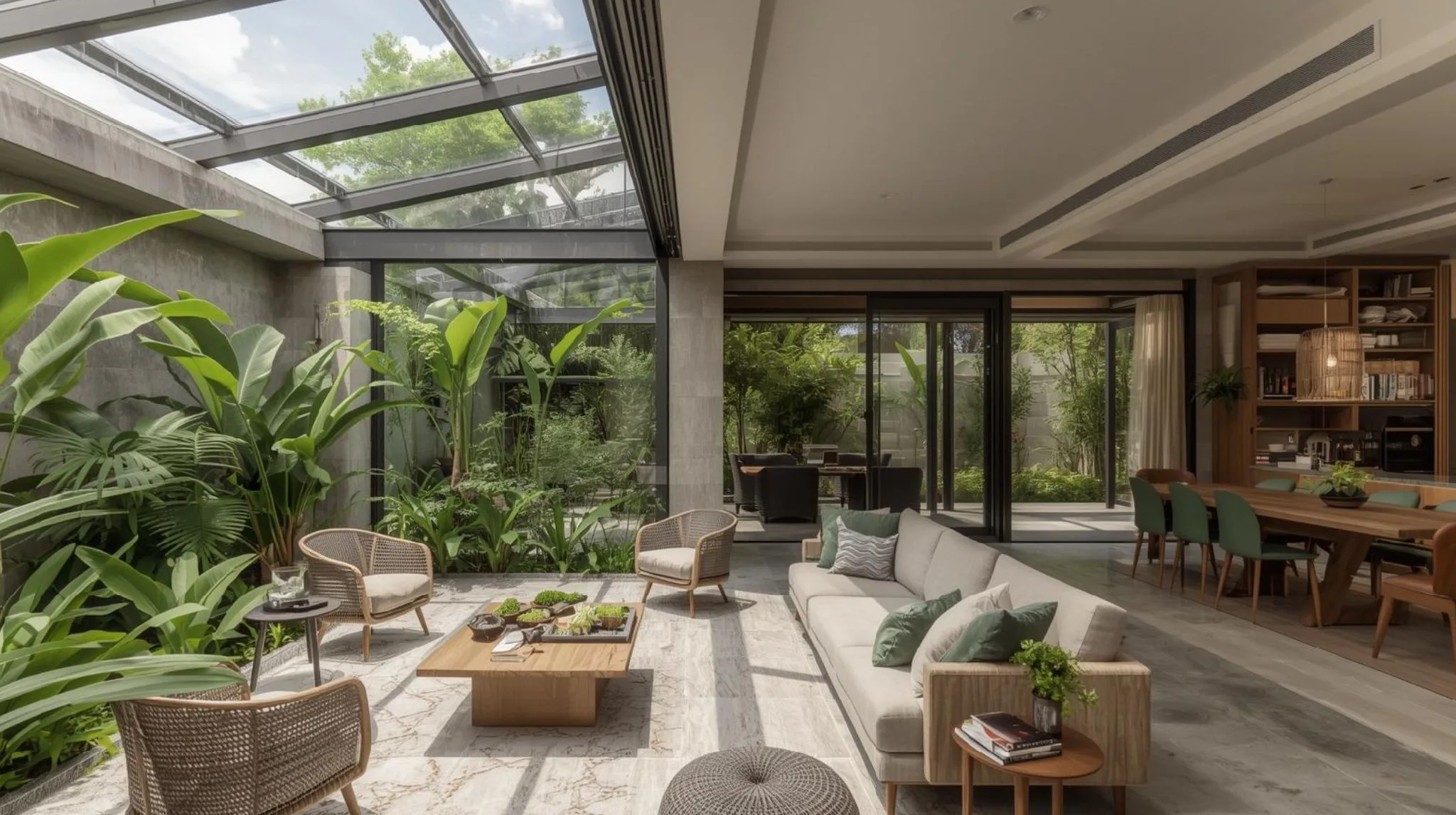
The integration of outdoor spaces into modern villa design is an increasingly popular trend as homeowners seek to extend their living areas beyond traditional confines. This evolution reflects a desire for comfort and style, allowing patios, terraces, and gardens to serve as functional extensions of indoor spaces. By mirroring the design aesthetics of the interior, these outdoor areas can be transformed into inviting and comfortable retreats.
To achieve this seamless transition, it is crucial to select furniture that resembles indoor furnishings yet is purposefully made for outdoor use. Options such as weather-resistant sofas and dining sets in coordinating color schemes can create a cohesive look. It is advisable to consider materials like teak or aluminum, which offer durability while maintaining elegance. Additionally, layering textiles with outdoor cushions and throws introduces comfort akin to indoor living.
When designing outdoor areas, the choice of plants plays a pivotal role. Opt for a combination of native flora and carefully chosen decorative plants to establish a vibrant atmosphere. Plant selection should focus on low-maintenance options that thrive in the local climate. For instance, succulents and ornamental grasses can add texture and beauty while demanding minimal upkeep.
Ambiance-enhancing features such as fire pits or outdoor lighting can significantly elevate the experience of outdoor spaces. Fire pits can serve as focal points for gatherings, providing warmth and an inviting atmosphere during cooler evenings. Meanwhile, strategically placed lighting, such as fairy lights or solar-powered lanterns, creates an enchanting environment conducive to relaxation and entertainment.
In summary, the trend towards designing outdoor spaces that mirror the comforts and functionality of indoor interiors ensures that modern villas provide a cohesive and versatile living experience. By thoughtfully selecting furnishings, plants, and ambiance-enhancing elements, homeowners can create outdoor havens that serve as extensions of their sophisticated indoor environments, allowing for year-round enjoyment.
Conclusion: Embracing the Future of Villa Design
As we look forward to 2026, it is evident that the landscape of villa design is poised for significant transformation. In this blog post, we have explored various modern interior design trends that not only enhance aesthetics but also promote sustainability, comfort, and functionality. The emphasis on natural materials, open spaces, and smart home technology illustrates a shift towards creating environments that are both luxurious and practical.
Moreover, incorporating biophilic design principles with an emphasis on greenery and light can transform any villa into a tranquil sanctuary. By blending indoor and outdoor spaces, homeowners can create a seamless connection with nature, which is increasingly crucial in today’s urban settings. The rise of minimalism, characterized by clean lines and clutter-free spaces, also speaks to the contemporary desire for simplicity and harmony in living environments.
This year additionally highlights the importance of personal style. While it is beneficial to stay updated on emerging trends, individual preferences remain paramount. Homeowners are encouraged to harmonize their unique tastes with these contemporary design principles. Incorporating bold colors, eclectic decor, or artisanal pieces can reflect personal identity while simultaneously adhering to modern design sensibilities.
As you embark on your villa design journey for 2026, consider these trends as a framework rather than rigid guidelines. By thoughtfully integrating these elements, you can create a space that is not only stylish but also resonates with your personal vision. In doing so, you embrace the future of villa design while celebrating individuality, ensuring that your home remains a true reflection of yourself for years to come.